




The Heart of Mediterranean Flavor
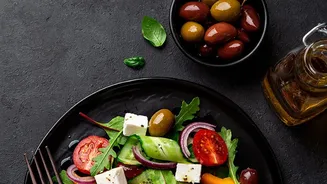
When you picture the healthy, sun-drenched cuisine of the Mediterranean, from Greece to Italy, the unifying element is often a simple dressing made from olive oil. It’s more than just a topping; it's a cornerstone of the diet, celebrated for its ability
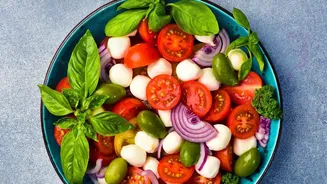
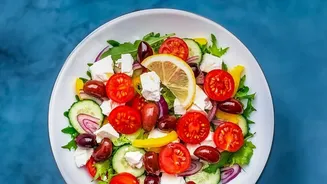
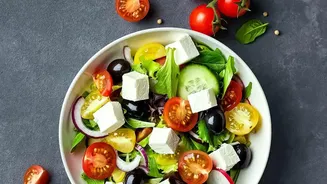
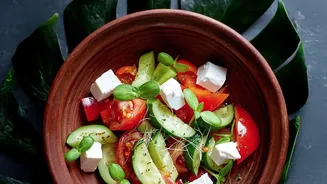
to make fresh ingredients like tomatoes, cucumbers, and feta cheese sing. The beauty of this dressing lies in its simplicity. It doesn’t mask the flavor of the salad with heavy, processed ingredients but enhances it with a combination of healthy fats, bright acidity, and fragrant herbs. This approach is what makes Mediterranean salads feel both incredibly satisfying and refreshingly light.
Choosing the Right Olive Oil
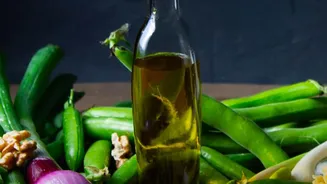
Not all olive oils are created equal, especially when served raw in a dressing. For the best flavor and health benefits, always choose extra virgin olive oil (EVOO). EVOO is the least processed form of olive oil, meaning it's cold-pressed and retains the most natural flavor and antioxidants, known as polyphenols. When selecting a bottle, look for labels that say 'cold-pressed' and mention a specific region or estate, as this often indicates higher quality. The flavor of EVOO can range from smooth and fruity to robust and peppery. A milder, fruity oil is versatile for delicate greens, while a robust, grassy oil can stand up to bolder ingredients like arugula or Kalamata olives. Ultimately, the best EVOO for your dressing is one whose flavor you enjoy on its own.
The Acidic Counterpart: Lemon vs. Vinegar
Every great vinaigrette needs an acidic component to cut through the richness of the oil and brighten the flavors. In Mediterranean dressings, the choice is typically between fresh lemon juice and red wine vinegar. Freshly squeezed lemon juice offers a bright, zesty tang and a boost of Vitamin C. It’s a hallmark of many Greek dressings, often referred to as 'ladolemono'. Red wine vinegar provides a different kind of sharpness, with a slightly deeper, fruitier note that pairs beautifully with many salads. Other options like apple cider vinegar can also be used for a slightly different profile. Some recipes even call for a combination of both lemon juice and vinegar to get the best of both worlds.
The Secret to a Stable Dressing
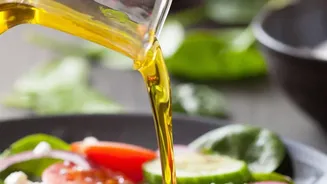
One of the most common frustrations with homemade dressing is watching the oil and vinegar separate almost immediately. The key to preventing this is creating an emulsion—a stable mixture of two liquids that don't normally combine. The secret ingredient is an emulsifier. A small amount of Dijon mustard is the classic choice; it not only helps bind the oil and vinegar but also adds a tangy depth of flavor. For a stable dressing, don't just shake the ingredients in a jar. Whisk the acid, mustard, and seasonings together first, then slowly drizzle in the olive oil while whisking constantly. This process breaks the oil into tiny droplets that the mustard can hold onto, creating a creamy, cohesive dressing that won't separate as you serve it.
A Foundation Recipe and Simple Variations
Once you master the basic technique, you can easily create endless variations. Here is a foundational recipe to get you started: In a small bowl, whisk together 2 tablespoons of red wine vinegar or fresh lemon juice, 1 teaspoon of Dijon mustard, and a pinch of salt and pepper. Slowly stream in 1/2 cup of extra virgin olive oil while whisking continuously until the dressing is emulsified and slightly creamy. From there, customization is easy. For a classic Greek flavor, add a teaspoon of dried oregano. Minced fresh garlic adds a pungent kick. Finely chopped fresh herbs like parsley, basil, or thyme bring a fresh, aromatic quality. For a touch of sweetness to balance the acidity, a small drizzle of honey or maple syrup can be added.