

Start with a Strong Foundation
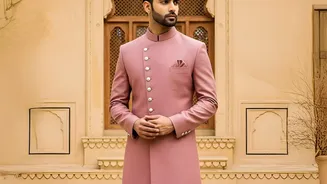
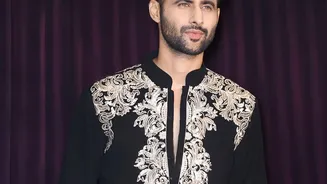
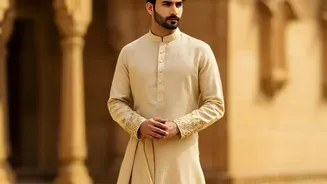
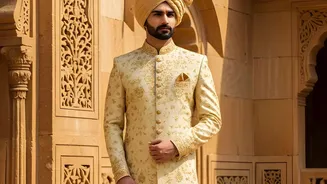
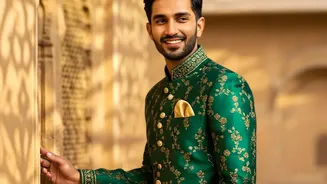
Before you even think about the dupatta, the kurta set itself must be right. The modern aesthetic leans towards 'quiet luxury'. This means focusing on impeccable fit and quality fabrics rather than overwhelming embellishment. A well-tailored kurta that
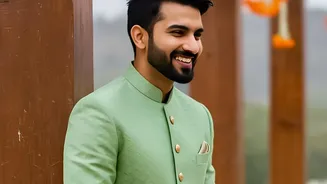
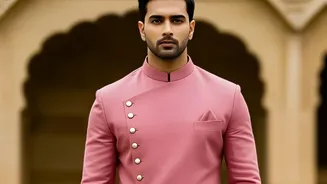
sits perfectly on the shoulders and falls just above the knee is crucial. For daytime events like a Haldi, choose lighter fabrics like cotton-silk or linen in pastel shades. For evening functions like a sangeet or reception, opt for richer tones like navy, wine, or emerald in silk or jacquard weaves that have a subtle sheen. A well-fitted, high-quality kurta set is the canvas; the dupatta is the final brushstroke.
The Classic One-Shoulder Drape
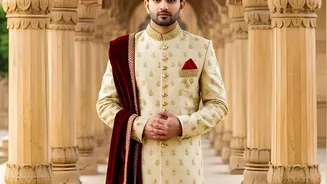
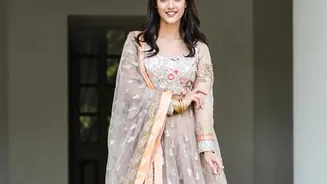
This is the most common and foolproof way to style a dupatta. It's elegant, requires no pins, and keeps you comfortable. Simply fold the dupatta lengthwise until it’s a neat band, then drape it over one shoulder (traditionally the left, but either is fine). One end hangs down the front and the other down the back. The key is to let it hang naturally. It shouldn't look stiff or perfectly arranged. This style works for nearly any wedding function, from the main ceremony to the reception, and instantly elevates a simple kurta into a formal, complete outfit.
The Effortless Neck Drape
For a more casual yet stylish look, particularly suited for a Mehendi function or a relaxed sangeet, treat the dupatta like a stole or scarf. Fold it lengthwise and simply drape it around your neck, letting both ends fall evenly in the front. This style is less formal than the shoulder drape but adds a welcome pop of colour and texture. It works best with lighter-weight dupattas in fabrics like cotton-silk or crushed tissue silk, which won't feel bulky around your neck. This approach keeps the dupatta secure and out of the way while still contributing to the overall layered look.
The Regal Side-Arm Shawl
If you want a look that feels royal but requires zero management, the side-arm drape is an excellent choice. Instead of draping it over your shoulder, simply fold the dupatta and lay it over one forearm. This is a power move often seen in formal portraits and is perfect for when you are seated during the main ceremony or making an entrance. It showcases the beauty of the dupatta—especially if it's a heavily embroidered or velvet piece—without interfering with your movement. It communicates effortless grandeur, suggesting the dupatta is an accessory of choice, not an obligation.
Let Fabric and Texture Do the Talking
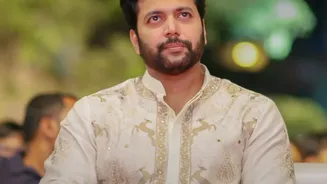
A simple drape can look incredibly rich if you choose the right materials. You don't need a complicated style when your dupatta has its own character. Consider a velvet dupatta in a deep jewel tone for a winter wedding reception; its weight and texture provide all the drama you need. A Banarasi silk dupatta with intricate zari work, or a crushed tissue silk stole, adds a layer of sophistication with just a simple one-shoulder drape. The rule is to create balance: if your kurta is heavily embroidered, opt for a simpler dupatta. If your kurta is plain, a statement dupatta can be the hero of your outfit.
The Final Touch: Simple Accessories
With a simple dupatta drape, the right accessories can tie the entire look together. A small, elegant brooch or a decorative pin can be used to secure the dupatta on the shoulder for a more structured, hands-free style perfect for the baraat. However, 'less is more' is the guiding principle. Instead of adding more layers, focus on a classic watch with a leather strap, a pair of well-made mojaris or loafers, and impeccable grooming. These details enhance the quiet confidence of a simple, well-draped kurta set far more effectively than any over-the-top styling.