






As the temperature drops, our bodies naturally crave warm, nourishing foods. This winter, embrace traditional wisdom by planning your meals around four seasonal powerhouses: methi, bajra, ragi, and peas. Here’s how to do it.
The Wisdom of Winter Eating
Across India, the winter diet
traditionally shifts towards ingredients that are warming and energy-dense. This change isn't just about comfort; it's a response to the body's changing needs. A slower metabolism and the increased risk of colds and coughs mean we benefit from foods that boost immunity and support digestion. Millets and seasonal greens are central to this philosophy. Grains like bajra and ragi are known for their thermogenic effect, meaning they naturally help keep the body warm. Paired with nutrient-rich vegetables, they create balanced, wholesome meals that sustain you through the colder months.
Methi: The Versatile Winter Green
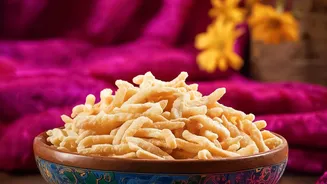
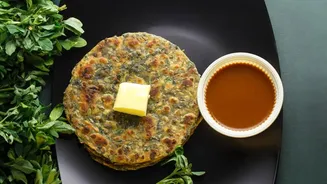
Fresh fenugreek leaves, or methi, are a quintessential winter ingredient prized for their distinct flavour and health benefits. Methi is known to help regulate blood sugar, aid digestion, and create a feeling of fullness, which can help manage winter cravings. Its slightly bitter taste pairs wonderfully with a variety of ingredients. For a simple and hearty meal, an 'Aloo Methi' sabzi is a classic choice. You can also knead chopped methi leaves into dough to make flavourful 'Methi Theplas' or parathas, perfect for breakfast or a travel snack. For a richer dish, 'Methi Matar Malai' combines fenugreek leaves and sweet peas in a creamy, restaurant-style gravy.
Bajra: The Warming Pearl Millet
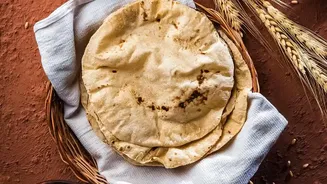
Bajra, or pearl millet, has been a winter staple for generations, especially in the western states of Rajasthan and Gujarat. This dense, nutrient-rich grain is thermogenic, providing natural warmth to the body. It's a fantastic source of iron, magnesium, and fibre, which aids digestion and provides sustained energy, preventing the sluggishness that can accompany winter afternoons. The most common way to enjoy bajra is in the form of 'Bajre ki Roti', a flatbread that pairs excellently with dal or a dollop of white butter. You can also prepare a hearty 'Bajra Khichdi' by cooking the millet with lentils and spices for a complete one-pot meal.
Ragi: The Nutrient-Dense Powerhouse
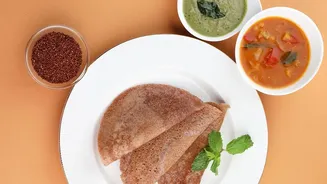
Ragi, or finger millet, is another excellent winter grain, celebrated for its exceptional nutritional profile. It is one of the richest plant_based sources of calcium, crucial for bone health, especially when sunlight exposure and Vitamin D levels are lower. High in fibre, ragi keeps you feeling full for longer and helps regulate blood sugar, making it a great choice for everyone, including diabetics. Start your day with a warm bowl of ragi porridge or 'Ragi Malt'. For lunch or dinner, 'Ragi Rotis' or 'Ragi Dosas' are healthy alternatives to those made with refined flour. Its earthy flavour also lends itself well to baked goods like cookies and laddus.
Peas: The Sweet Winter Jewels
The arrival of sweet, tender green peas (matar) is a highlight of the winter season. Far from being a simple side dish, peas are packed with nutrients, including protein, fibre, and essential vitamins. They add a touch of sweetness and vibrant colour to many dishes. The iconic 'Matar Paneer' is a beloved curry across the country. In Uttar Pradesh, 'Nimona' is a traditional winter curry made from ground green peas. You can also stuff them into 'Matar Kachoris' for a festive snack or simply add them to 'Vegetable Pulao' for extra nutrition and flavour.
Bringing It All Together
Integrating these ingredients into your weekly meals is easier than you think. Aim to replace wheat rotis with bajra or ragi rotis a few times a week. Start your day with a millet_based porridge instead of a processed cereal. For lunch, a simple plate of bajra roti with aloo methi sabzi and a side of curd makes for a perfectly balanced meal. For dinner, you could have a comforting bowl of ragi khichdi or a vegetable pulao loaded with fresh peas. By focusing on these four ingredients, you can effortlessly create a varied, delicious, and deeply nourishing winter menu that honours tradition while supporting modern health goals.