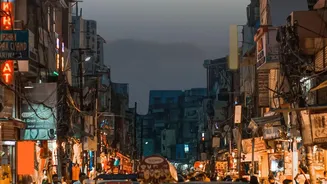







The Great Metro Exodus
For decades, the path to a successful career in India led straight to the bustling, congested streets of Mumbai, Bengaluru, or Delhi. That narrative is rapidly changing. A growing wave of experienced professionals are making a calculated choice to leave
these Tier 1 metros, driven by a desire for a better quality of life. The primary motivation is financial. The cost of living in major metros has become prohibitive, with rent for a modest apartment often consuming a huge chunk of a monthly salary. A 1BHK in Mumbai can cost upwards of ₹50,000 per month, compared to just ₹8,000-₹20,000 in cities like Jaipur or Indore. This financial pressure, combined with long commutes, pollution, and a high-stress environment, has made the promise of a slower, more affordable lifestyle in smaller cities incredibly appealing. The post-pandemic normalisation of remote and hybrid work has acted as a powerful catalyst, giving professionals the flexibility to move without sacrificing their careers.
The Tier 2 Advantage for Startups
While professionals are seeking refuge from metro expenses, startups in Tier 2 cities are rolling out the welcome mat. For these emerging companies, the benefits are immense. Lower operational costs are the most obvious advantage; office rent and other overheads can be up to 50% cheaper than in a metro. This allows founders to stretch their capital further, giving them a longer runway to experiment and achieve profitability. Furthermore, these startups gain access to a pool of high-quality talent that was previously concentrated in major hubs. The 'reverse migration' of experienced engineers, marketers, and managers brings a wealth of knowledge and expertise to these smaller ecosystems. This influx of seasoned professionals helps local startups scale faster, build more sophisticated products, and compete on a national, and even global, stage. Employee retention is also often higher, as staff enjoy a better work-life balance and are more likely to stay with a company that offers growth opportunities close to home.
From Cost-Cutting to True Innovation
The movement to Tier 2 cities is about more than just saving money; it's about fostering a new kind of innovation. Unlike metro startups that can sometimes get caught up in chasing trends, founders in smaller cities are often focused on solving real-world, local problems they understand intimately. This has led to a surge in startups focused on sectors like AgriTech, HealthTech, FinTech for regional markets, and hyperlocal e-commerce. Cities are developing their own specialisations. Jaipur has become a hub for FinTech and D2C brands, while Coimbatore is a rising star in SaaS and EV manufacturing. Indore is excelling in consulting and analytics, and Kochi is strong in logistics and maritime tech. This distribution of innovation is creating a more resilient and inclusive national economy, proving that great ideas can come from anywhere, not just a handful of overcrowded tech parks.
Challenges on the Horizon
Despite the momentum, the growth of Tier 2 startup hubs is not without its challenges. One of the biggest hurdles remains access to growth-stage funding, as most venture capital firms are still concentrated in the major metros. This can make it difficult for promising startups to scale beyond a certain point. The talent pool, while growing, can still be a challenge. Finding senior-level leaders or individuals with highly specialised niche skills may require a wider search. There are also infrastructure concerns. While digital connectivity has improved drastically, issues like reliable power supply and advanced logistics can still pose problems in some areas. As these cities grow, they also risk replicating the problems of the metros they sought to replace, such as rising real estate prices and increased strain on public services. Sustainable growth will require careful planning from local governments to ensure infrastructure keeps pace with economic expansion.