








The Guerrilla Gardening Tactic
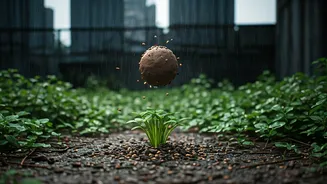
At its core, seed bombing—or seed balling, as it’s often called—is a method of afforestation that doesn’t require digging or planting in the traditional sense. A 'seed bomb' is a small, compact ball made from a mixture of soil, compost or manure, and
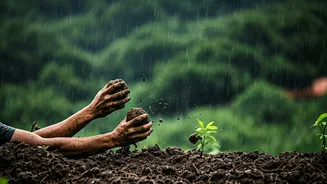
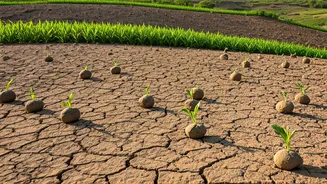
clay. Tucked securely inside this mixture are the seeds of native trees and plants. The clay and soil act as a protective casing, shielding the seeds from being eaten by birds and insects or scorched by the sun. When the monsoon rains arrive, the ball absorbs water, dissolves, and provides a nutrient-rich start for the seed to germinate and take root, all without human intervention.
From Classrooms to Hillsides
What makes this technique truly transformative is who is embracing it. All over the country, from the Aravalli hills in Rajasthan to the deforested lands of Telangana and Tamil Nadu, youth groups are leading the charge. School and college students, National Service Scheme (NSS) volunteers, and local environmental clubs are spending their weekends and holidays not in malls, but in workshops, diligently rolling thousands of these seed balls. This hands-on approach provides a tangible connection to environmental action. It moves beyond theoretical classroom learning and empowers young people to become active agents of change in their own communities, creating a sense of ownership over their local environment.
A Simple, Scalable Process
The beauty of seed bombing lies in its simplicity and accessibility. The process begins with collecting seeds from local, hardy, and native plant species, which are best suited to the regional climate and soil. These seeds are then mixed into a slurry of clay, soil, and organic compost. Volunteers then take handfuls of this mixture and roll them into small, marble-sized balls, which are left to dry in the shade for a few days. The final step is dispersal. Just before the onset of the monsoon, these youth groups organise treks to barren, often inaccessible, hilly areas. There, they simply toss or scatter the seed balls across the landscape. The method's low cost and minimal need for specialised equipment make it an incredibly scalable solution for large-scale greening efforts.
More Than Just Planting Trees
The impact of these youth-led initiatives goes far beyond simply increasing green cover. By reforesting denuded slopes, seed bombing helps combat soil erosion, which is a major issue during heavy monsoon rains. As the trees grow, their roots bind the soil, preventing landslides and reducing the runoff that chokes rivers and lakes. A restored forest ecosystem improves groundwater recharge, bringing water levels up in nearby wells and borewells. Furthermore, it helps rebuild biodiversity by creating habitats for birds, insects, and other wildlife. For India, a country grappling with the dual challenges of deforestation and climate change, this grassroots movement is a vital part of the solution.
A Promising Start, Not a Magic Bullet
While incredibly promising, seed bombing is not a flawless solution. The germination rate can be variable and is highly dependent on timely and adequate rainfall. The success of a seed ball also hinges on using the correct species for the local ecology; planting non-native species can do more harm than good. However, the groups leading these drives are becoming increasingly sophisticated, consulting with botanists and forestry experts to improve their success rates. Even when a seed ball doesn't sprout, the act itself is not a failure. It represents a powerful form of community engagement and environmental education. It teaches a generation about ecology, perseverance, and the profound impact of collective action.