





The Goal: Observation, Not Control
The core instruction in many mindfulness practices is to observe the breath as it is, not to change it. This can feel counterintuitive. The moment you pay attention, you might start to manually 'operate' your lungs, making the breath deeper or smoother.
The purpose of simply noticing is to anchor your attention in the present moment. Your breath is always with you, happening right now. By observing it without interference, you practice letting go of the need to control things, a skill that extends far beyond meditation. The aim isn't to achieve a 'perfect' breath, but to be with whatever breath shows up—be it shallow, deep, fast, or slow. This act of receptive awareness calms the nervous system and quiets the mind.
Setting the Stage for Success
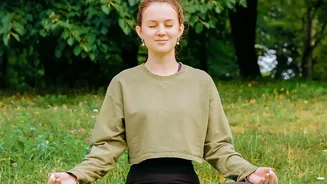
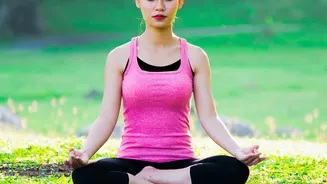
You don’t need a special cushion or a silent room, but a comfortable setup helps. Find a position where you can sit or lie down with a relatively straight back without straining. Relax your shoulders. You can close your eyes gently or soften your gaze on a single point in front of you. Before you focus on the breath, take a moment to notice the feeling of your body being supported by the chair or floor. This initial step of grounding can help you settle and signal to your nervous system that it's safe to relax.
Finding the Sensation of Breath
Once settled, gently bring your attention to the physical sensations of breathing. You might notice the feeling of air at the tip of your nostrils—perhaps a coolness on the inhale and a slight warmth on the exhale. Alternatively, you could focus on the gentle rise and fall of your chest or the expansion and contraction of your belly. There's no right or wrong place to focus; choose the area where the sensation is most clear to you. Spend a few moments just feeling this subtle movement, without any agenda to fix or change it.
When You Inevitably Start Controlling It
It’s almost guaranteed that at some point, you will find yourself consciously directing your breath. This is not a failure; it’s a normal part of the process and an opportunity for insight. When you notice you're interfering, don't get frustrated. Simply acknowledge it with kindness. You can try a few gentle tricks to let go. One is to soften the muscles around your belly and chest. Another is to briefly shift your focus to sounds in the room, and then gently return to the breath, bringing a more receptive quality to your attention. Some teachers even suggest exhaling fully until your body naturally takes over the next inhale.
Navigating Common Frustrations
Besides controlling the breath, beginners often face other challenges. Your mind will wander—that’s what minds do. When you notice it has drifted, gently and without judgment, guide your attention back to the breath. Each time you do this, you are strengthening your mindfulness 'muscle'. You might also feel sleepy, bored, or restless. These are all just experiences to be noticed. If focusing on the breath feels too difficult or anxiety-provoking, it's okay to shift your anchor of attention to another physical sensation, like the feeling of your feet on the floor or your hands resting in your lap. The key is to approach the practice with curiosity and kindness, not force.
Building a Gentle, Consistent Habit
The benefits of breath awareness come from consistent practice, not from long, heroic sessions. When you're starting, aim for just three to five minutes a day. It's better to practice for a few minutes daily than for an hour once a week. Find a time that works for you, perhaps in the morning before starting your day, to create a routine. Remember, the goal is not to stop thoughts or achieve a perfect state of calm, but to simply practice returning your attention, again and again, to the natural rhythm of your breath.