






Choosing a workout you love is half the battle. Dancing and swimming are two fantastic, low-impact options for a full-body challenge. But how do they stack up when you change the speed and the time you put in? Let's dive in.
The Calorie Question: Intensity is Everything
When it comes to burning calories,
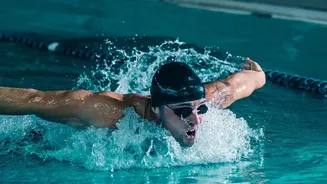
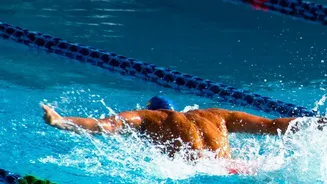
the debate between dancing and swimming isn't straightforward; it all boils down to intensity. A leisurely swim might burn fewer calories than a high-energy hip-hop class. Research has shown that certain forms of dance, like street and swing, can burn more calories per hour than a moderate swim. Why? Dancing often involves constant acceleration and deceleration, moving in all directions, which is less energy-efficient for the body and thus burns more fuel. However, a vigorous lap-swimming session, where you push against the water's resistance, can easily outpace a gentle ballroom dance. A fast-paced swim could burn over 600 calories an hour, while a slower pace may only burn around half that. The key takeaway is that pace dictates the burn. A 30-minute high-intensity interval dance session might be more effective for calorie torching than 30 minutes of slow, steady breaststroke.
Muscle and Tone: Different Paths to Strength
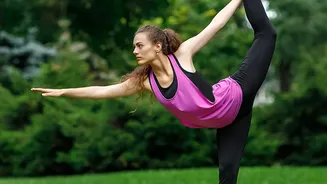
Both activities are celebrated for providing a full-body workout, but they build strength in different ways. Swimming is a master of resistance training. Water provides a constant, gentle resistance that works almost every major muscle group, from your core and back to your arms and legs. Different strokes target different areas; freestyle works the arms and chest, while breaststroke and backstroke engage the glutes and hamstrings. Dancing, on the other hand, can be more varied. A ballet class will build serious leg and core strength, while a salsa session will focus more on hips and core stability. The constant starting, stopping, and changing of direction in dance engages many smaller stabilising muscles that other exercises might miss. A longer dance session allows for more muscle endurance, while a fast-paced swim with powerful kicks and pulls is excellent for building overall strength.
Heart Health: Steady Cardio vs. Natural Intervals
Both swimming and dancing are champions for cardiovascular health, elevating your heart rate and improving circulation. Swimming is often a form of steady-state cardio. The goal is to maintain a consistent pace for an extended duration, which is fantastic for building endurance and improving aerobic capacity. Many dance forms, however, naturally mimic high-intensity interval training (HIIT). Think of a Zumba or hip-hop class: you have bursts of fast, explosive movement followed by shorter periods of slower steps. This method of training is exceptionally effective at improving heart function. The best choice depends on your goals. A longer, 60-minute swim at a moderate pace is a classic endurance builder. But a shorter, 30-minute dance class with high-energy bursts can provide similar, if not greater, cardiovascular benefits and has been shown to lower the risk of heart disease mortality.
Joint Impact: Two Gentle Giants
One of the biggest advantages shared by both dancing and swimming is that they are kind to your joints. For those with arthritis, injuries, or who simply want to avoid the pounding of high impact exercises like running, both are excellent choices. Swimming is the undisputed king of low impact (or rather no impact) exercise. The buoyancy of water supports your body, removing stress from your joints entirely. This makes it an ideal workout for almost any age or fitness level. Most forms of dancing are also low impact. While some styles like ballet involve jumping, many social and fitness dances keep at least one foot on the floor, protecting your knees and hips. The duration of your workout is less of a factor for joint health in these activities compared to high impact sports. You can swim or dance for longer periods without the same risk of overuse injuries associated with running.