
The Rise of the Curve
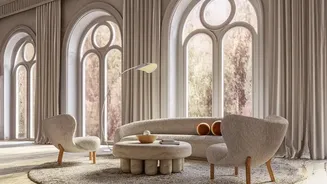
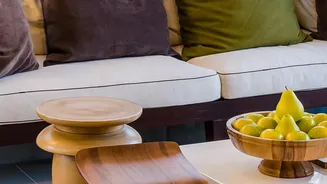
Walk into a stylish Indian home today, and you'll notice the edges have softened. The rigid, rectangular sofa is giving way to enveloping, curved sectionals. Sharp-cornered coffee tables are being replaced by round or pebble-shaped alternatives that improve
the flow of a room. This move towards curves—seen in arched doorways, rounded mirrors, and sculptural chairs—is a departure from stark minimalism. The trend is rooted in a desire for spaces that feel more organic and cocooning. Curved furniture is inherently more inviting and encourages conversation by subtly turning people towards each other, making living rooms feel more social and relaxed.
The Art of Layered Lighting
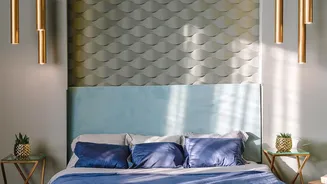
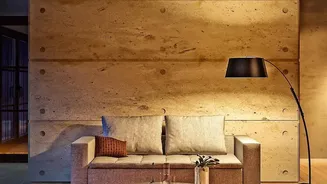
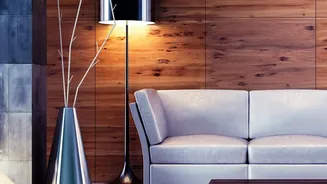
The era of the single, flat ceiling light is officially over. The most significant shift in living room design is the adoption of layered lighting, a technique that uses multiple light sources to create mood, depth, and functionality. This approach combines three key types of light. Ambient light provides overall illumination, often from recessed cove lighting or a central pendant. Task lighting is focused on specific activities, like a floor lamp beside a chair for reading. Accent lighting highlights architectural features or decor, such as a spotlight on a piece of art. By combining these layers, a living room can transform from bright and functional for a family gathering to soft and intimate for a quiet evening. Using warmer toned bulbs (around 3000K) is also becoming popular, as it enhances the look of wooden furniture and rich Indian textiles.
Bringing Nature Indoors with Biophilia
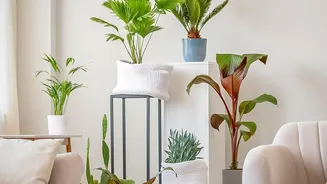
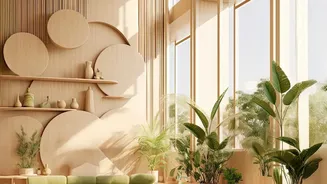
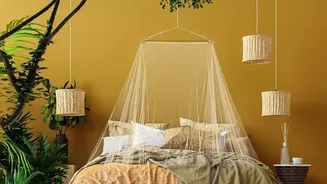
More than just adding a few potted plants, biophilic design is about creating a fundamental connection to nature within the home. This trend is deeply resonant in India, where traditional architecture often featured courtyards and verandahs that blurred the line between inside and out. Today, this manifests as an emphasis on natural light, large windows, and cross-ventilation. Materials like wood, rattan, jute, and terracotta are being used extensively in furniture and decor, bringing texture and warmth. From bamboo lampshades to clay decor, these natural elements are celebrated for being sustainable and grounding. The goal is to create serene, healthy environments that reduce stress and improve well-being.
A Return to Rich Textures and Earthy Tones
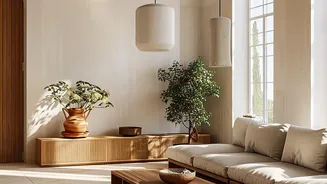
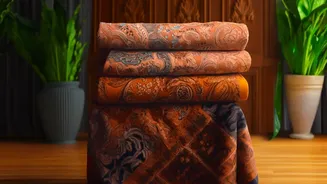
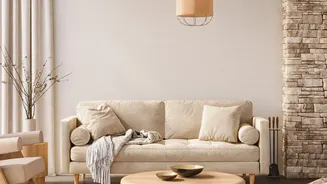
Flat, uniform surfaces are being replaced by a rich tapestry of textures. Fabrics like bouclé, velvet, and chunky weaves are popular for upholstery, adding a tactile quality that invites touch. This is complemented by a shift in colour palettes. While neutrals still dominate, they are warmer and more complex. Stark whites and cool greys are giving way to soft beiges, warm browns, and earthy tones like terracotta and olive green. These colours create a cozy, grounded atmosphere that feels both modern and inviting. Accent walls, cushions, and rugs in these richer tones add character and prevent the space from feeling monotonous.
Celebrating the Personal and the Handcrafted
Finally, there is a growing movement away from generic, mass-produced decor towards items that tell a story. Homeowners are creating spaces that reflect their personal history and taste. This includes showcasing family heirlooms, personal art collections, and unique objects found during travels. There's also a renewed appreciation for local craftsmanship. Handcrafted items made by Indian artisans—from block-printed textiles and hand-woven jute rugs to terracotta pottery and carved wooden pieces—are being integrated into modern living rooms. This not only adds a unique, authentic touch but also supports sustainable practices and preserves traditional skills.