

A string of crippling technical failures across airlines, banks, and even the NSA left many Americans wondering if the nation was under a coordinated cyberattack. Now, the White House is working to calm those fears, stating the events were just an unsettling
coincidence.
An Unsettling Coincidence
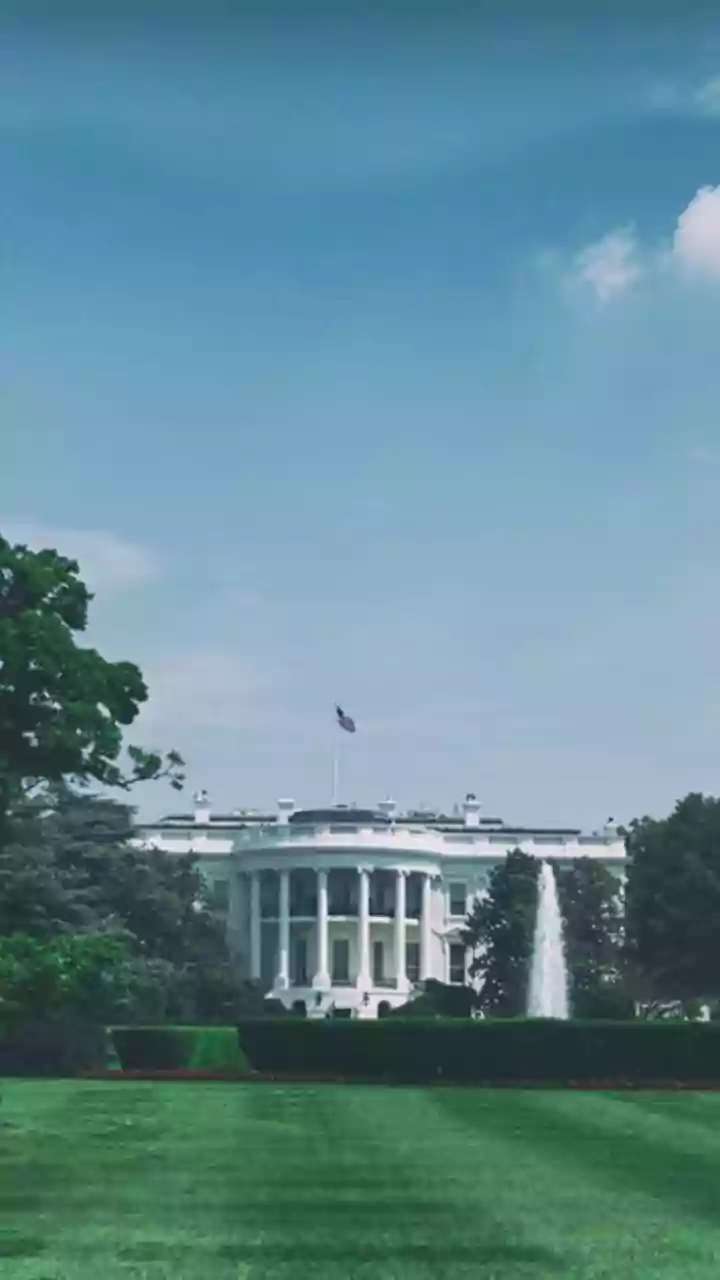
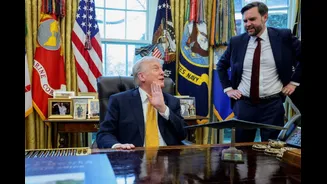
Top administration officials have firmly stated that the series of recent, high-profile service disruptions were not the result of a coordinated cyberattack or any other malicious activity. Director of National Intelligence Jay Clayton and National Security Adviser Marco Rubio both made public statements to reassure the public. 'We have zero evidence or any reason to believe that any of these isolated or individual instances have anything to do with nefarious actors,' Rubio told reporters, emphasizing that investigators have not found any links between the separate incidents. Clayton was equally direct, stating, 'This is not a cyberattack, and this is not a coordinated effort by a nation state.' The official explanation points to a series of unfortunate but unrelated technical problems occurring in rapid succession.
Aviation Grounded by an Upgrade
The most visible failure was the Federal Aviation Administration's nationwide ground stop on November 13, the longest halt to air travel since the September 11 attacks. The disruption, which caused thousands of cancellations and delays, was blamed on a faulty router during a network upgrade. According to the FAA, legacy equipment became overloaded during the upgrade process. Transportation Secretary Sean Duffy confirmed there was no evidence of a cyberattack and that the issue was traced back to networking equipment at a remote facility. The incident left countless travelers stranded and created a ripple effect of delays that lasted for days as airlines struggled to get crews and planes back into position.
Banking and Tech Glitches Follow
Just days after the FAA's crisis, the financial sector was hit. A 'software bug' at JPMorgan Chase on November 16 caused significant transaction delays, with ripple effects impacting customers at other major banks like Bank of America and users of the Zelle payment service. Chase was clear that the issue was internal and 'not cyber-related'. This followed a major outage at Microsoft on November 12, which took down Outlook email and Teams for nearly a day due to a 'network capacity upgrade'. Further rattling nerves, the National Security Agency reported a temporary disruption to its internal classified communications network on November 17, which it attributed to 'scheduled routine maintenance'.
Are Our Systems Too Fragile?
While the White House has ruled out a coordinated attack, the incidents have exposed the fragility of the nation's critical digital infrastructure. Each failure was attributed to routine processes gone wrong: software updates, hardware upgrades, and maintenance. This has led experts and lawmakers to question whether systems are being patched and modernized too quickly in a race to stay ahead of security threats, inadvertently causing instability. Some officials warn that Americans should expect more 'glitches, gaps, and interruptions' as this massive upgrade cycle continues across both government and private industry. A senior CISA official noted that while these events were highly visible, the overall number of internet outages was not significantly higher than average, suggesting the problem is more about the impact of the specific systems that failed.
Strengthening the Backbone
The cascade of failures has intensified calls for greater investment in and oversight of critical infrastructure. The White House has called for full modernization funding, while lawmakers are pressing for more robust resilience plans to ensure systems can withstand disruptions, whether accidental or malicious. The Cybersecurity and Infrastructure Security Agency (CISA) has a strategic plan, 'CISA 2030', aimed at hardening these essential services. The plan focuses on modernizing technology, improving software security, and fostering better coordination between public and private sectors to anticipate and mitigate risks before they can cause nationwide disruption. While the recent outages were not the work of an enemy, they serve as a powerful wake-up call about the constant vigilance required to keep the country running.