





What’s New in the E-Visa Network?
India’s Ministry of Home Affairs has added 11 new international ports for entry by foreign nationals holding an e-visa. This recent expansion includes two new airports and nine land border crossings, bringing the total number of designated e-visa entry points
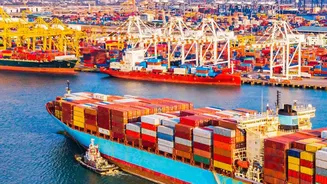
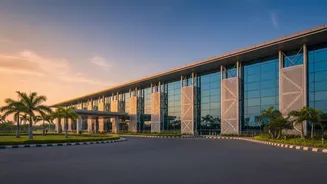
to 88. This network now comprises 37 airports, 38 seaports, and 13 land ports, significantly widening the options for tourists, business travellers, and other visitors. The newly added airports are Raja Bhoj Airport in Bhopal, Madhya Pradesh, and Tirupati International Airport in Andhra Pradesh. These additions provide crucial gateways to central India and the popular pilgrimage sites in the south.
A Major Boost for Land Travel
The most significant change is the addition of nine land ports, which will enhance regional connectivity and benefit those planning cross-border itineraries. These new land entry points are spread across India's borders with Bangladesh, Bhutan, Myanmar, and Pakistan. The newly designated land ports include Agartala, Darranga, Gede, Ghojadanga, Haridaspur, Jaigaon, Dawki, and Moreh. Notably, the Attari border crossing with Pakistan has been included for e-visa holders for the first time, a major development for travellers entering from the west. However, it's important to note that the e-visa facility is not available for those holding a Pakistani passport or those of Pakistani origin, who must apply for a regular visa.
Understanding the Indian E-Visa
The e-visa system was first introduced in 2014 to streamline the visa process and is now available to citizens of 172 countries. This digital system accounts for approximately 78% of all visas issued by India, with around 95% of applications processed within 72 hours. The e-visa covers various categories, including tourism, business, medical treatment, conferences, and even mountaineering. An approved e-visa, officially known as an Electronic Travel Authorization (ETA), is sent to the applicant via email, and a copy should be carried during travel. Travellers can apply through the official government portal, where they need to complete a form, upload a photograph and passport copy, and pay the fee online.
How This Affects Your Travel Plans
This expansion offers unprecedented flexibility. Previously, international travellers were often restricted to arriving at major metropolitan airports like Delhi or Mumbai. The addition of regional airports like Bhopal and Tirupati, along with numerous land crossings, allows for more direct access to a wider variety of destinations. For example, someone interested in exploring the northeastern states can now enter through land ports like Agartala in Tripura or Moreh in Manipur. Similarly, cruise passengers and other sea travellers can make use of the 38 designated seaports. This wider network can help reduce domestic travel time and costs, allowing visitors to spend more time exploring their chosen destinations.
Important Reminders for Travellers
While the network has expanded, it is crucial for travellers to remember that they can only enter India through a designated e-visa port. Arriving at a non-designated airport, seaport, or land border with an e-visa will result in denial of entry. Therefore, always double-check that your intended port of arrival is on the official list before booking flights or finalising your travel route. The list of approved entry points can be updated, so consulting the official Indian Visa Online portal for the most current information is a vital step in your travel planning. While entry is restricted to designated ports, you can generally exit India from any of the authorised Immigration Check Posts.