


The High Price of Power
For years, the cost of an electric vehicle has been inextricably linked to the cost of its battery. These batteries rely heavily on lithium, a relatively rare element, along with other expensive materials like cobalt and nickel. The complex global supply
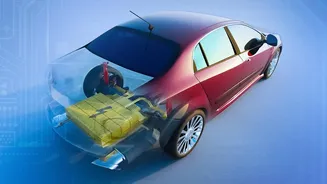
chains for these materials are susceptible to geopolitical tensions and mining bottlenecks, which keeps prices stubbornly high. This has meant that even the most basic electric cars remain out of reach for a large segment of Indian buyers. The battery pack alone can account for up to 40% of an EV's total cost, creating a significant financial barrier that has slowed the transition away from petrol and diesel.
A Dash of Salt Changes the Recipe
Enter the sodium-ion battery, a technology that swaps out expensive lithium for highly abundant and inexpensive sodium—the same element found in table salt. Sodium is over 500 times more abundant than lithium, dramatically lowering the raw material cost. Major battery manufacturers like CATL are already bringing this technology to the mass market. In a landmark move, Chinese automaker Changan is set to launch the world's first mass-produced passenger car with a sodium-ion battery in mid-2026. These batteries also have other advantages: they perform better in cold weather and are considered safer, with a lower risk of fire than some lithium-ion chemistries. The ability to use aluminum instead of copper for certain components further drives down the cost.
Silicon's Supercharge
While sodium-ion tackles cost, another innovation is focused on performance. Scientists are increasingly turning to silicon to replace the graphite traditionally used in a battery's anode. Silicon has a massive theoretical advantage: it can store up to ten times more energy than graphite. This means batteries can be made smaller and lighter for the same range, or offer significantly more range for the same size. While pure silicon has technical challenges related to swelling during charging, new composite materials are solving these issues. Companies like Group14, Sila, and Amprius are ramping up commercial production of silicon-carbon anodes, with some predicting 2026 will be the year these batteries see their first large-scale deployment in EVs.
The Cost-Saving Equation
The primary benefit of both salt and silicon is their abundance. Unlike lithium, which is concentrated in a few countries, sodium and silicon are readily available worldwide, creating more resilient and cost-effective supply chains. For sodium-ion, the direct material replacement is the main driver of savings. For silicon, the cost benefits are more nuanced. While high-purity silicon requires processing, its superior energy density means manufacturers can use less material to achieve their performance targets, leading to smaller, lighter, and ultimately cheaper battery packs. This is crucial for entry-level vehicles, where every component cost is scrutinized to meet an accessible price point.
Performance and Practicality
These new technologies are not without their trade-offs, at least initially. Current-generation sodium-ion batteries have a lower energy density than their lithium-ion counterparts. This means they are better suited for smaller city cars or entry-level models where a massive range is not the top priority. However, the technology is improving rapidly, with newer versions from CATL approaching the performance of mainstream LFP batteries. For silicon anodes, the main challenge has been ensuring long-term durability, as the material tends to expand and contract significantly during charging cycles. The initial solution is to blend silicon with graphite, gradually increasing the silicon content as the technology matures.
The Road Ahead for Indian EVs
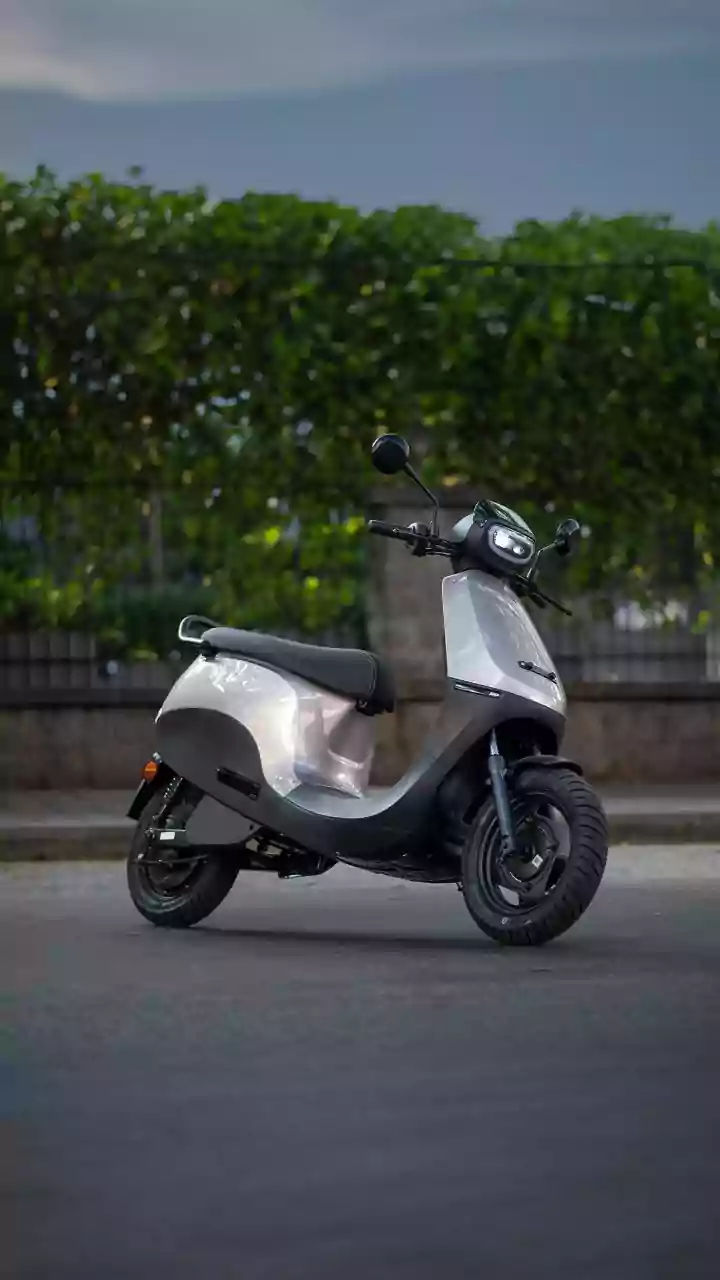
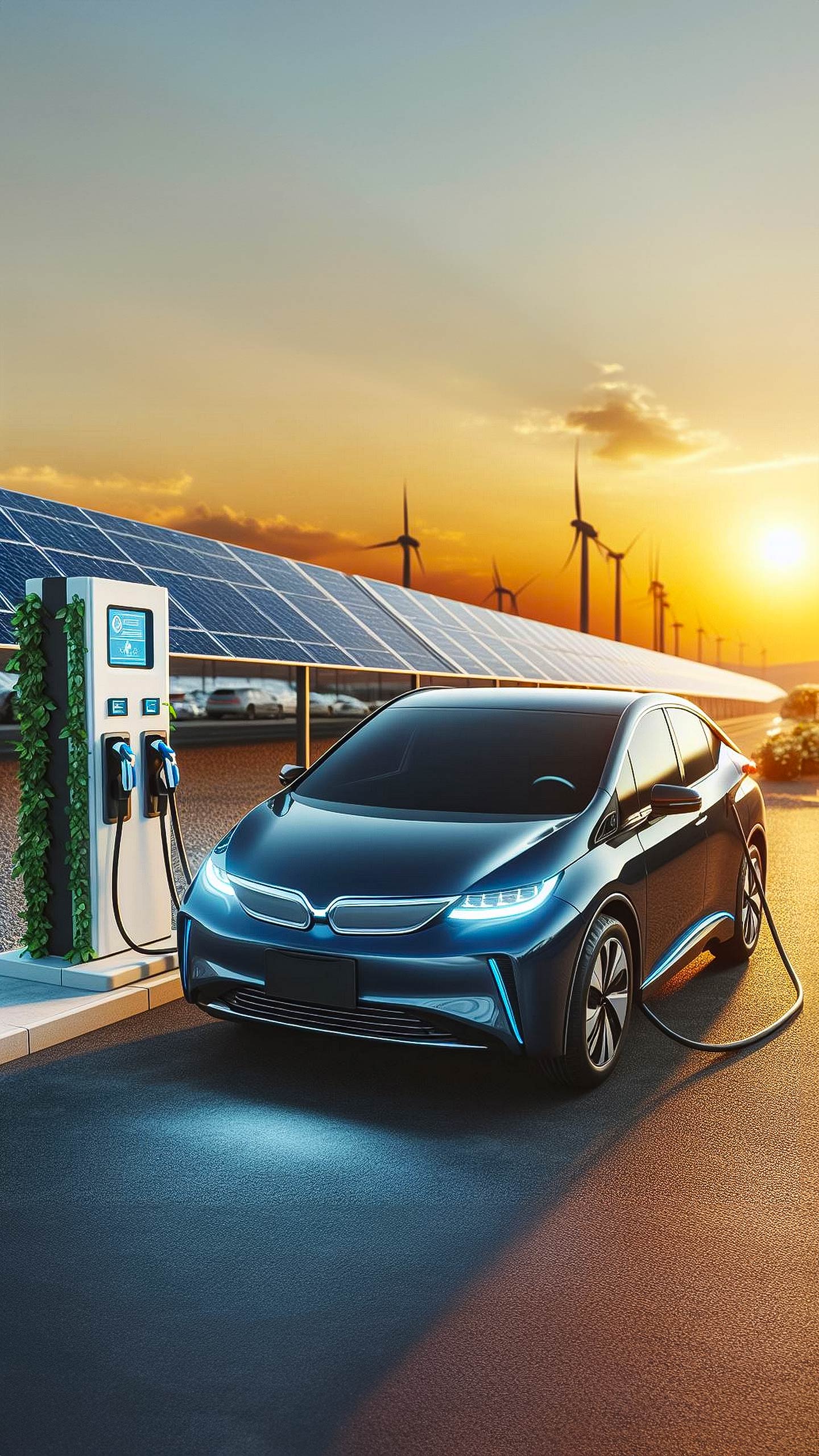
The commercialization of sodium-ion and silicon-anode batteries is a game-changer for the Indian market. With major Chinese manufacturers like BYD and CATL—who have a growing presence in India—pioneering this tech, it is only a matter of time before it arrives on our shores. These innovations directly address the price sensitivity of the Indian consumer. Sodium-ion batteries could pave the way for a new generation of truly affordable electric hatchbacks and micro-EVs, perfect for urban commuting. Meanwhile, silicon-enhanced batteries could help mainstream EV models offer more range and faster charging without a significant price hike. The convergence of these technologies promises to finally break the cost barrier, accelerating India’s journey toward electric mobility.