




The Science of Scraps
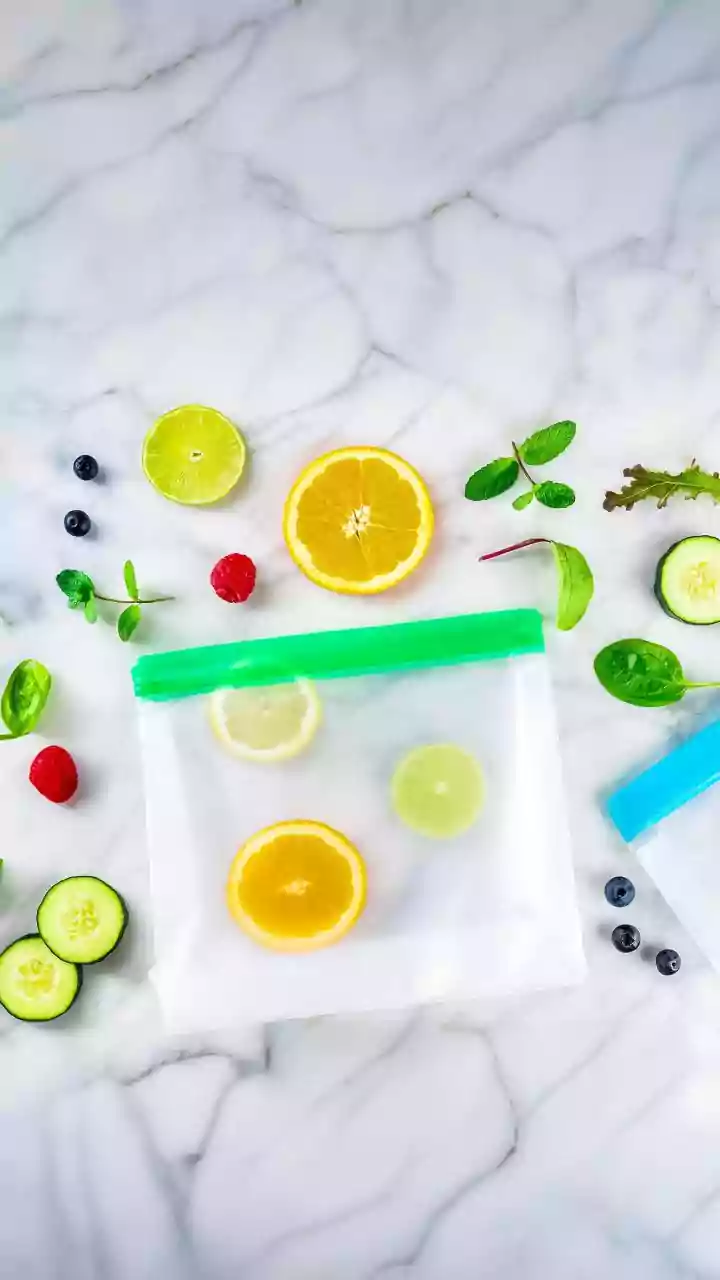
Composting is the natural process of recycling organic matter into a valuable fertilizer. The stars of this process are microorganisms that break down materials, but they need a balanced diet. Your kitchen provides the perfect ingredients. Vegetable peels,
fruit scraps, and spent tea leaves are considered 'greens'. They are rich in nitrogen, which provides the protein that microbes need to multiply and heat up the compost pile. Spent tea leaves are particularly beneficial for flowering plants, helping accelerate growth. Think of these greens as the fuel that drives the entire composting engine.
Balancing with 'Browns'
A pile of only kitchen scraps will quickly become a smelly, slimy mess. This is because it has too much nitrogen and not enough carbon. To create a healthy, odour-free compost pile, you must balance your 'greens' with 'browns'—carbon-rich materials. Browns provide energy for the microbes and add bulk, which helps aerate the pile and absorb excess moisture. Good examples include dry leaves, shredded newspaper or cardboard, sawdust, and small twigs. A good rule of thumb for a fast, hot pile is a carbon-to-nitrogen ratio of about 30:1 by weight, which in practice often means using about two to three parts brown material for every one part green material by volume.
A Simple Step-by-Step Method
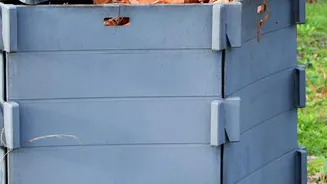
You don't need fancy equipment to start. A simple bin—whether a dedicated composter, a repurposed trash can with holes drilled in it, or even just a designated pile—will work. Start with a base layer of twigs or sticks to promote airflow from the bottom. Then, begin layering your materials. For every layer of kitchen scraps (greens) you add, cover it with a thicker layer of brown materials. This simple step is crucial for preventing odours and deterring pests. Keep adding to your pile in this manner. If you have a large volume of materials, creating the entire pile at once will generate heat and speed up the process significantly.
Secrets to Making Compost Fast
The 'fast' in fast composting comes from actively managing the conditions to keep your microbes happy. The single most important factor is size. Chopping your vegetable peels and other scraps into smaller pieces dramatically increases the surface area for microbes to work on, speeding up decomposition. Second, maintain moisture. The pile should feel like a wrung-out sponge—moist but not soggy. If it's too dry, add some water; if it's too wet, add more brown materials. Finally, introduce oxygen by turning the pile with a garden fork every week or two. This prevents compaction and ensures the aerobic (oxygen-loving) bacteria responsible for rapid decomposition can thrive.
What Not to Add to Your Pile
While most plant-based kitchen waste is excellent for compost, some items should be avoided in a simple home pile. Do not add meat, fish, bones, or dairy products. These items will break down eventually, but they can create foul odours and attract unwanted pests like rodents. Likewise, avoid adding oily or greasy foods, as fats can coat other materials and slow down decomposition. While small amounts of citrus peels and onion scraps are fine, large quantities can make the pile too acidic for some beneficial worms and microbes. Finally, never add diseased plants from your garden, as the pathogens could survive the composting process and be reintroduced to your soil.