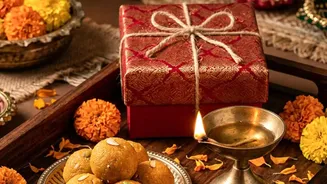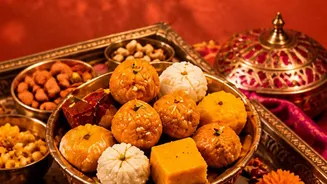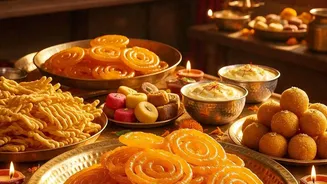




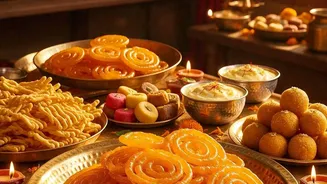
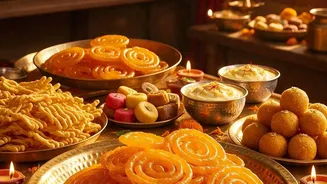
Diwali is incomplete without the delightful presence of homemade sweets. This year, add the beloved Kalakand to your festive platter with a simple recipe that uses basic ingredients for a soft, melt-in-your-mouth texture every single time.
The Charm of Homemade Kalakand
Kalakand is
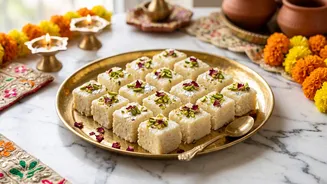
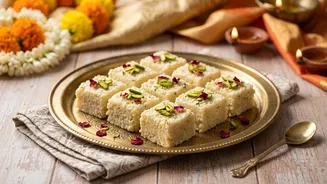
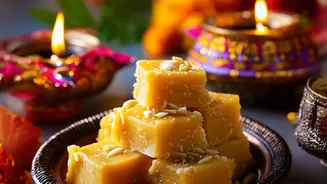
a classic Indian milk sweet, cherished for its unique grainy yet moist texture that dissolves beautifully in the mouth. Traditionally, making it involves the lengthy process of simmering milk for hours. However, modern, simpler methods make it incredibly accessible for home cooks. This instant version, often made with paneer and condensed milk, delivers that authentic taste without the hours of labour, making it a perfect last-minute dessert for Diwali celebrations. Its charm lies in its simplicity—rich, milky, and delicately flavoured with cardamom, it captures the warm spirit of the festival in every bite.
Your Simple Ingredient Checklist
One of the best parts of this recipe is its reliance on kitchen staples. You don’t need to hunt for specialty items to create this festive treat. For a quick and foolproof Kalakand, you will generally need crumbled paneer (Indian cottage cheese), sweetened condensed milk, and a bit of milk powder. The paneer provides the signature grainy texture, while the condensed milk adds sweetness and creaminess, and the milk powder helps in binding and achieving the right consistency. For flavour and garnish, have cardamom powder (elaichi), and a handful of chopped pistachios or almonds ready.
Step-by-Step to Perfect Kalakand
Making Kalakand is a straightforward process that primarily involves cooking the main ingredients until they thicken. Start by crumbling fresh paneer; you can do this by hand or by pulsing it briefly in a blender. In a heavy-bottomed, nonstick pan on low to medium heat, combine the crumbled paneer, condensed milk, and milk powder. Stir the mixture continuously to prevent it from sticking or burning. As it cooks, the mixture will first become runny and then gradually start to thicken. After about 8–10 minutes, it will begin to pull away from the sides of the pan, forming a soft mass. This is the sign that it's ready. Stir in the cardamom powder, then transfer the mixture to a greased tray or a dish lined with parchment paper.
Tips for the Ideal Texture
The secret to perfect Kalakand lies in its texture—it should be moist and grainy, not dry or chewy. Using fresh, soft paneer is crucial; if your store–bought paneer feels firm, you can soften it by soaking it in warm water for a few minutes. The most common mistake is overcooking. Once the mixture starts leaving the sides of the pan, remove it from the heat immediately. Cooking it further will cause it to dry out and become crumbly when set. Also, always cook on low to medium heat. High heat can make the mixture cook unevenly and potentially burn. Finally, don't press the mixture too hard into the setting tray. A gentle pat is all that's needed to level it.
Garnishing, Setting, and Serving
Once you've spread the Kalakand mixture evenly in the tray, it's time to garnish. Sprinkle a generous amount of finely chopped pistachios and almonds over the top. You can also add dried rose petals for a beautiful, festive look. Gently press the nuts and petals into the surface so they adhere as the sweet sets. Let the Kalakand cool at room temperature before refrigerating it for at least 2–3 hours, or until it is firm enough to slice cleanly. Chilling not only helps it set but also enhances the flavours. Once firm, use a sharp knife to cut it into squares or diamonds. Arrange them on your Diwali platter alongside other mithai and enjoy.