




Embrace the Golden Spice: Haldi
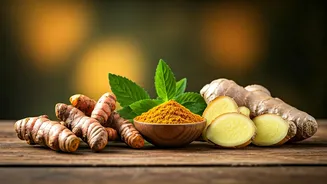
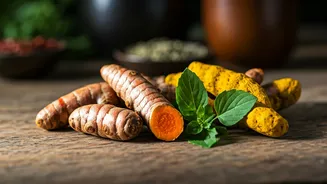
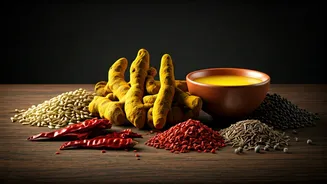
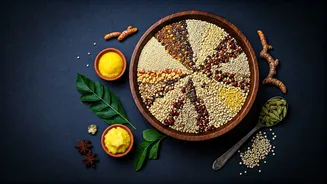
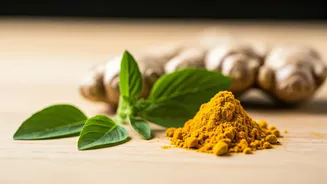
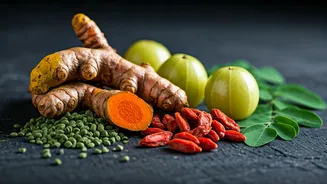
Turmeric, or haldi, is a cornerstone of Indian cooking and traditional medicine for good reason. Its active compound, curcumin, is a potent anti-inflammatory and antioxidant. During the monsoon, when the risk of infections like the cold and flu rises,
incorporating turmeric can help support your immune response. A warm glass of 'haldi doodh' (turmeric milk) before bed is a classic, comforting remedy. You can also increase its presence in your daily cooking, from dals to sabzis. For better absorption, always pair turmeric with a pinch of black pepper (kali mirch), which contains piperine.
Lean on Ginger and Garlic
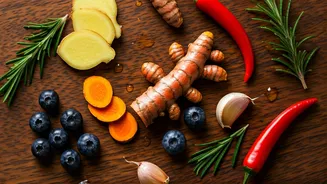
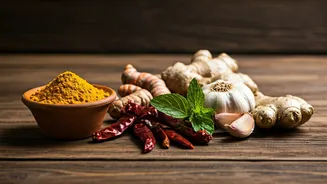
This dynamic duo is more than just a flavour base for your favourite dishes. Ginger (adrak) is renowned for its ability to soothe a sore throat and fight respiratory infections. It has gingerol, which possesses powerful medicinal properties. Similarly, garlic (lehsun) contains compounds like allicin that are known to boost the disease-fighting response of some types of white blood cells. A warm cup of ginger tea sweetened with honey can be incredibly soothing on a rainy day. Finely chopped garlic added to soups and stir-fries will not only enhance the taste but also your body's readiness to fight off germs.
Prioritise Gut Health with Probiotics
A significant portion of your immune system resides in your gut. Maintaining a healthy gut microbiome is crucial for overall immunity. The easiest way to do this is by consuming probiotics, and the most accessible source in an Indian kitchen is dahi (yogurt). A bowl of fresh, homemade curd with your lunch can introduce beneficial bacteria to your digestive system. It's a light, cooling, and protein-rich addition to your diet. Avoid heavily sweetened or flavoured yogurts and opt for plain, natural dahi. Other fermented foods like idli or dosa can also contribute to good gut health.
Hydrate Smartly with Warm Fluids
While staying hydrated is always important, how you hydrate during the monsoon matters. Cold drinks can sometimes aggravate a sore throat. Instead, switch to warm or boiled water throughout the day to help flush out toxins and keep your throat clear. Herbal concoctions like 'kadha', made by boiling tulsi (holy basil), ginger, cloves, and pepper in water, are excellent for immunity. Tulsi is an adaptogen that helps the body combat stress and is revered for its ability to fight infections. A simple cup of green tea is also a great option, packed with antioxidants called polyphenols.
Choose Your Vegetables Wisely
Monsoon is not the best time for raw salads. The high humidity and moisture can lead to contamination with bacteria and fungi. It's safer to switch to cooked vegetables. Opt for seasonal gourds like bottle gourd (lauki), bitter gourd (karela), and ridge gourd (turai). These vegetables are easy to digest and rich in essential nutrients. Steaming or stir-frying vegetables instead of eating them raw is a simple but effective way to reduce the risk of water-borne illnesses. Also, ensure you wash all produce thoroughly with clean water before cooking.
Power Up with Vitamin C
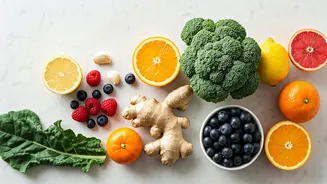
Vitamin C is one of the most well-known immunity boosters because it encourages the production of white blood cells, which are key to fighting infections. While oranges are a popular source, don't forget the humble amla (Indian gooseberry). It's one of the most potent sources of Vitamin C available. You can have it as a juice, in a murabba, or simply eat a small piece daily. Other great sources include lemons, which can be squeezed over food or into warm water, and bell peppers (capsicum), which can be added to your sabzis.