


The Rise of a Humble Superfood
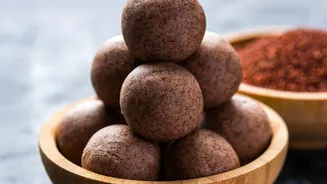
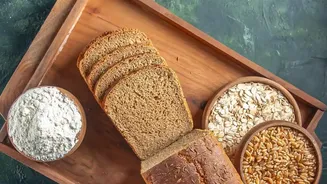
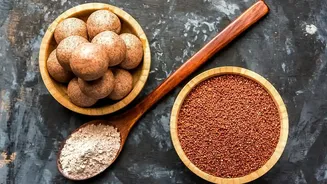
The movement towards healthier eating has revived interest in ancient grains, and finger millet is leading the charge. For generations, ragi has been a staple in Indian households, valued for its resilience as a crop and its impressive nutritional profile.
Now, it's shedding its rustic image and finding a new home in modern, gourmet kitchens. Chefs are drawn to its potential not just as a healthy substitute but as an ingredient that enhances flavour and texture. This shift isn't just about cutting out refined flour; it's about adding nutritional value and a unique character to beloved treats. By incorporating ragi into everything from pancakes to dim sum wrappers, culinary experts are proving that wholesome and delicious can go hand-in-hand.
A Nutritional Powerhouse
Compared to refined white flour, which is stripped of most of its nutrients, ragi is a nutritional powerhouse. It is exceptionally rich in calcium, boasting one of the highest contents among all cereals, which is crucial for bone health. Ragi is also an excellent source of dietary fibre, which aids digestion, helps manage blood sugar levels, and keeps you feeling full longer, making it beneficial for weight management. Furthermore, it is packed with essential amino acids, iron to help combat anaemia, and B vitamins. Being naturally gluten-free, it's an excellent option for those with gluten sensitivities. With no cholesterol and negligible sodium, ragi flour is also considered a heart-healthy choice.
Richer Flavour, Better Texture
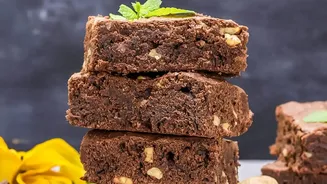
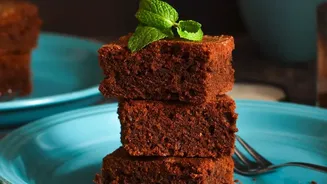
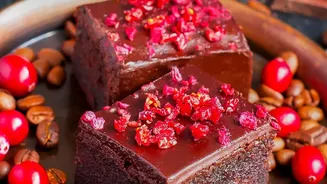
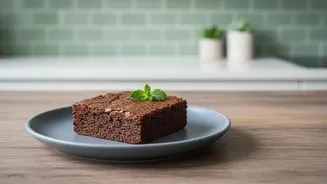
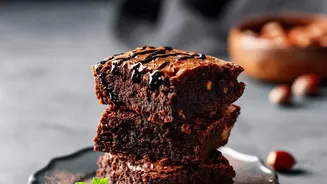
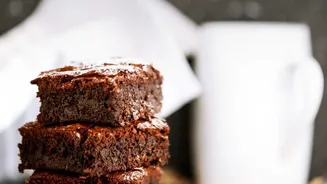
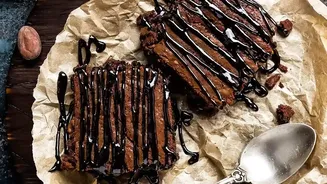
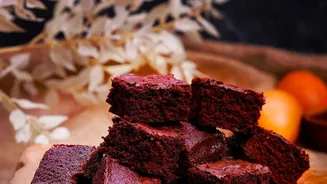
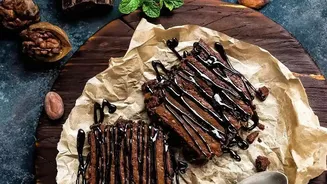
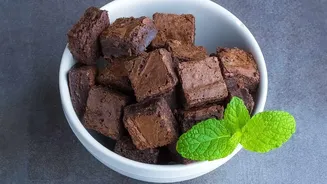
So, how does this translate to a better brownie? The term 'richer' isn't just about taste; it’s about the entire experience. Ragi flour has a naturally nutty and earthy flavour that beautifully complements the deep notes of dark chocolate. This adds a layer of complexity that you just don't get from neutral-tasting white flour. From a texture perspective, ragi creates a brownie that is wonderfully dense and fudgy. Because millet flour absorbs more moisture, it results in a uniquely soft, moist crumb that many bakers find ideal for brownies. The final product is a satisfyingly decadent treat that feels both indulgent and nourishing, a combination that is hard to resist.
Tips for Baking with Ragi at Home
Ready to try making ragi brownies yourself? Here are a few tips to get started. First, since ragi is gluten-free, it behaves differently than wheat flour. For a texture closer to a classic brownie, you might start by substituting 50% of the white flour with ragi flour before going all in. Millet flours tend to be thirsty, so you may need to add a bit more liquid—like milk, yoghurt, or oil—to your batter to keep the final product from being dry. Using moist ingredients like mashed bananas, jaggery, or dates as sweeteners can also enhance both flavour and texture. Don't over-bake; millet-based goods can dry out quickly, so keep a close eye on your oven and check for doneness a few minutes early.