






Choose a Region, Not the Whole Country
A common mistake is trying to see everything in one trip. India is vast, and its regions offer vastly different experiences. For a first trip, focusing on one area is more rewarding. North India, including the 'Golden Triangle' of Delhi, Agra, and Jaipur,
is a classic for a reason, packed with Mughal history, forts, and iconic monuments like the Taj Mahal. South India offers a completely different tempo. Think serene backwaters and houseboats in Kerala, French colonial charm in Puducherry, and the ancient temple ruins of Hampi scattered across a stunning landscape. Your choice of location should be guided by your interests—be it history, nature, food, or spirituality. A two-week trip is best spent exploring either the north or the south, not rushing between them.
Mastering the Great Indian Railways
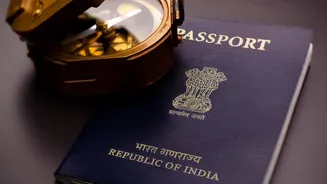
India’s rail network is one of the largest in the world and an experience in itself. For long-distance travel, trains are often more practical and atmospheric than flights. Booking in advance is crucial, especially on popular routes during peak season (October to March). You can book tickets via the official IRCTC website, though registration for foreigners can be slow, so it's best to do it well ahead of your trip. For overnight journeys, classes like 2A (AC 2-tier) offer a great balance of comfort and value, providing bedding and air-conditioning. Shorter day trips between major cities like Delhi and Agra are well-served by fast, comfortable 'Chair Car' (CC) services on Shatabdi or Vande Bharat Express trains. Always keep a copy of your ticket and passport handy for inspections.
Navigating the Bustling Cities
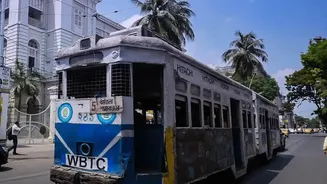
Within India’s sprawling cities, modern metro systems have become a traveller's best friend. Cities like Delhi, Mumbai, Bengaluru, and Kolkata have clean, air-conditioned, and affordable metro networks that connect to major sights and airports, bypassing the infamous road traffic. For shorter distances and last-mile connectivity, auto-rickshaws are iconic. However, getting a fair price requires some strategy. The best approach is to use ride-hailing apps like Uber and Ola, which now include autos in their service. This gives you a fixed price upfront and avoids negotiation. If you must hail one on the street, try to agree on the fare before you get in; using the app to check the estimated fare for your route gives you a strong bargaining chip. In some cities like Mumbai, drivers are required by law to use the meter.
Beyond the Monuments: Finding Authentic Experiences
With your transport sorted, you can dive deeper into India's cultural fabric. The most rewarding experiences often lie just off the main tourist trail. Instead of just dining out, consider a home-based cooking class in Amritsar or a traditional 'Sadya' feast served on a banana leaf in a Kerala home. Instead of a quick photo, attend the dawn Ganga Aarti in Varanasi for a more serene, less crowded spiritual experience than the famous evening ceremony. Look for opportunities for community-based tourism, such as staying in a heritage haveli in Rajasthan, exploring craft villages in Gujarat, or learning about tribal art forms like Warli painting from artisans in Maharashtra. These encounters offer a genuine connection to local life that a whirlwind tour of monuments simply cannot match.