




1. Gourds (Lauki and Turai)
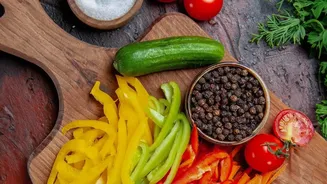
Often overlooked, humble gourds like lauki (bottle gourd) and turai (ridge gourd) are monsoon powerhouses. They are over 90% water, making them hydrating, light on the stomach, and easy to digest—a blessing when the digestive system can be sluggish. Their
mild flavour makes them incredibly versatile. Easy Cooking: The simplest way to cook them is in a quick sabzi. Just chop the gourd and sauté it with cumin seeds, turmeric, and a pinch of salt. They cook quickly in their own juices. For a comforting meal, add them to dal or make a simple, nourishing soup by blending the boiled vegetable with ginger and black pepper. Planned Portions: A single serving of about one cup (around 150g) is a great portion for a meal. Because they are low in calories and high in fibre, they help you feel full without being heavy. Pair a bowl of lauki sabzi or soup with one or two rotis for a balanced meal. Home Storage: Gourds are prone to faster spoilage in humidity. Store them whole in a cool, dry place away from direct sunlight. Avoid pre-chopping; only cut them just before you plan to cook. If you have leftovers, store them in an airtight container in the refrigerator and consume them within a day.
2. Pulses and Lentils (Dal)
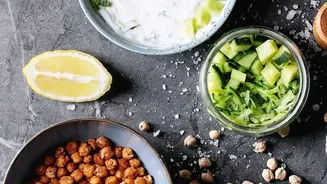
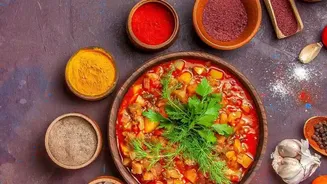
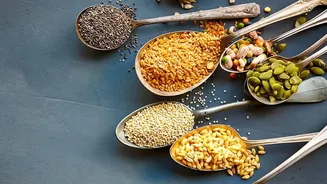
A warm bowl of dal is the ultimate comfort food on a rainy day. Pulses and lentils are packed with protein and fibre, providing sustained energy. Moong dal, in particular, is light and easy to digest, making it an excellent choice for the monsoon. A simple khichdi made from rice and moong dal is a complete meal that soothes the gut. Easy Cooking: A pressure cooker is your best friend for cooking dals quickly. For a basic dal tadka, pressure cook the lentils with turmeric and salt. Then, prepare a separate tempering (tadka) of ghee, cumin seeds, garlic, and asafoetida (hing) to pour over the top. This method preserves nutrients and deepens the flavour. Planned Portions: Portion control is easy with dals. One medium-sized bowl (about 200-250ml) is a healthy serving per person. It provides ample protein and keeps you full, reducing the urge to snack on fried foods. Using a standard bowl for serving helps maintain consistency. Home Storage: Humidity is the enemy of stored pulses. Always keep your dals, beans, and lentils in airtight containers made of glass or steel. Ensure they are stored in a cool, dark cupboard away from the stove's heat and moisture. Before storing a new batch, make sure the container is completely dry.
3. Corn (Bhutta)
Nothing says monsoon quite like the smell of roasted corn on the cob. Bhutta is not just a nostalgic snack; it's also a healthy one, rich in fibre that aids digestion. It's a far better choice than the oily pakoras and samosas that we often crave during the rains. Easy Cooking: The classic way is the best way: roast the corn cob directly over a gas flame until the kernels are slightly charred. Rub it with a mix of lemon juice, salt, and red chilli powder. Alternatively, you can boil the kernels and make a simple corn chaat with chopped onions, tomatoes, and chaat masala for a quick evening snack. Planned Portions: One corn on the cob is a perfect, self-contained portion. If you're making a chaat or salad, aim for about half to three-quarters of a cup of corn kernels per person. This gives you a satisfying snack without overindulging. Home Storage: Corn is best eaten fresh. When buying bhutta, look for cobs with bright green husks that are tightly wrapped. If you don't plan to eat them the same day, store them in the refrigerator with the husks on. If you've bought extra, you can remove the kernels and freeze them in a zip-lock bag for later use in soups or pulao.
4. Immunity-Boosting Roots (Ginger and Garlic)
The monsoon season often brings a spike in colds, flu, and other infections. This is where ginger and garlic come in. Both are celebrated for their powerful antibacterial, antiviral, and anti-inflammatory properties. Incorporating them into your daily diet can help strengthen your immune system naturally. Easy Cooking: These roots can be added to almost anything. Start your day with a warm cup of ginger tea (adrak chai). Finely chop or grate ginger and garlic into your daily sabzis, dals, and soups. A simple garlic and spinach stir-fry or a ginger-infused rasam can be both delicious and healing. Planned Portions: A little goes a long way. For a family of four, about an inch of ginger and 4-5 cloves of garlic per day, distributed across different meals, is a good amount. The goal is consistent, moderate consumption rather than large, infrequent doses. Home Storage: To prevent ginger from shriveling, store it unpeeled in the refrigerator's vegetable crisper. For garlic, keep the entire bulb in a cool, dark place with good air circulation. Don't separate the cloves until you're ready to use them, as this will keep them fresh for longer.
5. Seasonal Fruits (Jamun and Pears)
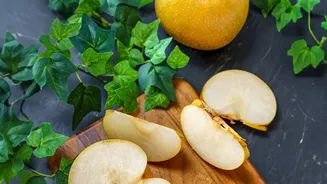
While it's wise to be cautious with raw foods during the monsoon, seasonal fruits like Jamun (black plum) and Pears offer immense health benefits. Jamun is loaded with iron, potassium, and vitamins, and is known to be great for digestion. Pears are packed with fibre and immunity-boosting Vitamin C, which is crucial during this season. Easy Cooking: These fruits are best enjoyed fresh and raw. There's no cooking required. Just make sure to wash them thoroughly with clean water before consumption. You can have them as a mid-morning snack or to satisfy a sweet craving after a meal. Planned Portions: A small bowl of about 10-12 Jamuns or one medium-sized pear makes for a perfect serving. This provides a good dose of nutrients without adding excessive sugar. Mindful eating is key to enjoying fruits and their benefits fully. Home Storage: High humidity can cause fruits to spoil quickly. After washing, pat them completely dry with a cloth before storing. Keep them in the refrigerator, but don't store them for too long. It’s best to buy smaller quantities more frequently during the monsoon to ensure you're always eating them fresh.