




The Phased Rollout Plan
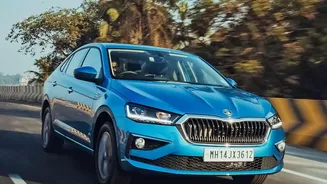
The Ministry of Road Transport and Highways has proposed a phased implementation for the BS-VII norms, which are aligned with Europe's stringent Euro 7 standards. The rollout is scheduled to begin with new passenger cars and SUVs from April 2029. Light
commercial vehicles, like pick-up vans, will follow a year later in April 2030. Critically, the backbone of India's economy—heavy-duty trucks and buses—will be the last to adopt the new standards, starting from April 2031. This phased approach, stretching to 2035 for full implementation of all stages, is a deliberate policy choice designed to balance environmental ambitions with economic realities.
Why Commercial Vehicles Are Different
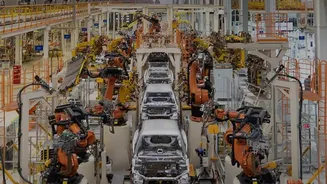
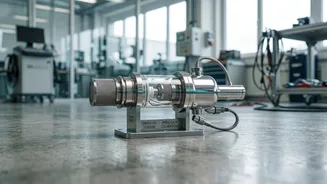
The transition to BS-VII presents a far greater challenge for heavy commercial vehicles than for passenger cars. The proposed standards aim for a significant emission reduction of 20-50% for pollutants from trucks and buses. Achieving this requires substantial technological upgrades to engines and exhaust treatment systems. Manufacturers will need to incorporate advanced sensors, more effective filters, and complex onboard monitoring (OBM) systems that track emissions in real-time as the vehicle is driven. Unlike the move to BS-VI, the new rules won't require changes to fuel at refineries; the entire burden of technological advancement falls on the vehicle manufacturers. This process involves significant investment in research, development, and re-tooling of assembly lines, which takes time.
The Economic Speed Bumps
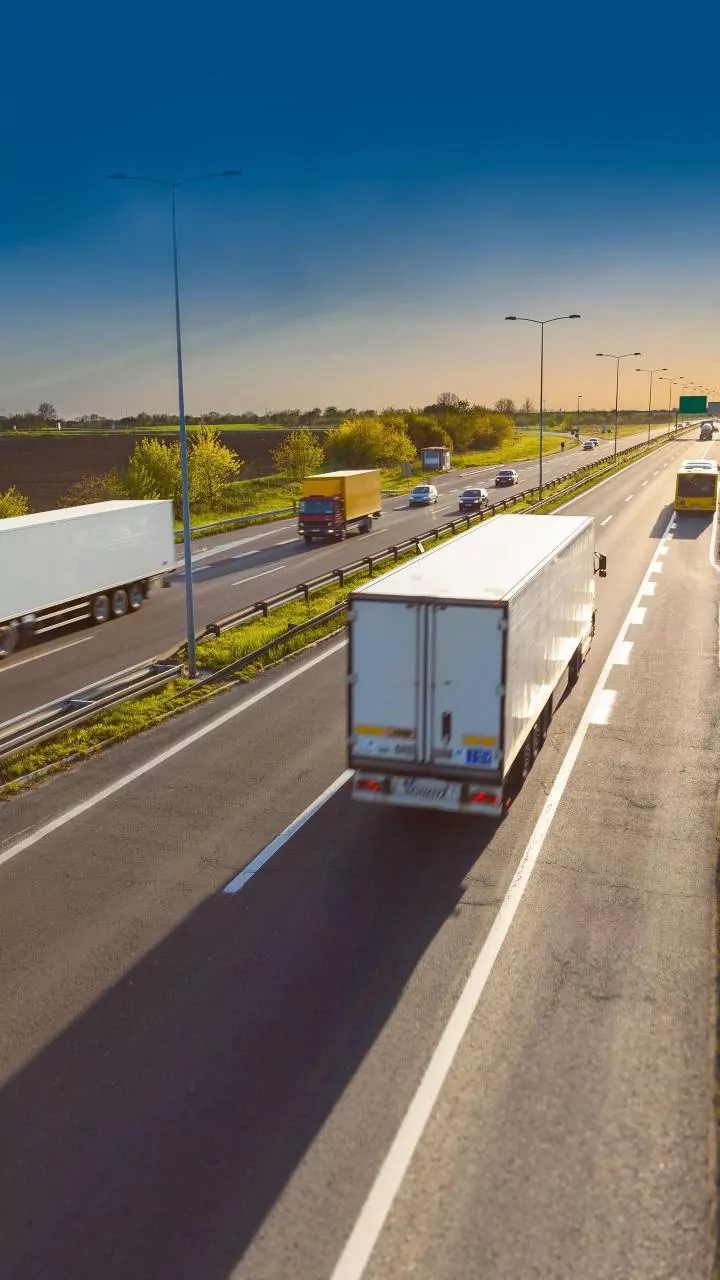
A hurried transition for commercial vehicles could have severe economic consequences. The Indian logistics sector is dominated by small fleet owners and single-truck operators for whom the vehicle is their primary asset. A sharp increase in vehicle prices, which is an expected outcome of the advanced technology required for BS-VII compliance, could make new trucks unaffordable for many. This could lead to operators holding onto older, more polluting vehicles for longer, partially defeating the purpose of the new regulations. Automakers have voiced concerns, suggesting that the engineering resources needed for a rapid BS-VII shift could also divert focus from the development of electric vehicles. The later deadline provides a crucial buffer for the industry to develop, test, and scale up production of these new technologies at a more manageable cost, preventing a sudden shock to the transport and logistics ecosystem.
A Leap Beyond Tailpipe Emissions
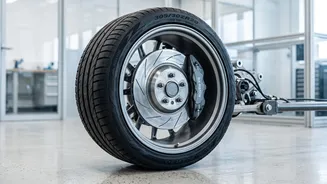
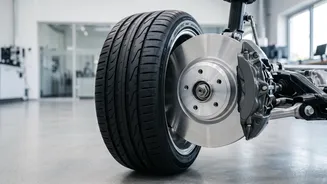
The BS-VII norms represent a paradigm shift by looking beyond just what comes out of the exhaust pipe. The new rules will, for the first time, regulate non-exhaust emissions. This includes particulate matter generated from brake wear and microplastics from tyre abrasion. These sources contribute to air pollution even from electric vehicles. Furthermore, the regulations will lower the threshold for measuring particulate matter down to 10 nanometres, capturing ultrafine particles that can penetrate deep into the lungs and were previously unregulated. The rules also mandate stricter real-world driving emissions (RDE) tests to ensure vehicles comply with the norms throughout their operational life, not just in a lab.
A Pragmatic Path to Cleaner Air
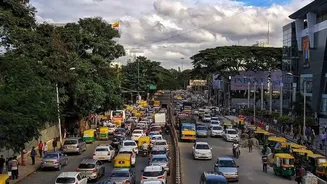
The decision to grant later deadlines to commercial vehicles is a pragmatic compromise. Trucks and buses are disproportionate contributors to vehicular pollution, particularly NOx and particulate matter, so bringing them under stricter norms is vital for improving public health in India's cities. However, they are also the engines of commerce, and their operational viability is crucial for economic stability. By phasing the implementation, the government acknowledges the immense technical and financial hurdles the commercial vehicle sector faces. It provides manufacturers the necessary lead time to innovate and allows the market to adapt, ensuring that the road to cleaner air doesn't create an economic roadblock for the country's essential supply chains.