



From Possessions to Participation
There’s a fundamental shift happening in how we spend our money. The long-held aspiration of owning a bigger car or a more expensive watch is giving way to the desire to attend a music festival, travel to a new city, or learn a new skill. This is the core
of the experience economy, a trend where consumers are choosing to spend on doing things rather than having things. In India, this shift is not just a niche trend but a significant economic force. Projections show India's experience economy is set to nearly double from over $32 billion in 2024 to nearly $60 billion by 2030, with sectors like live events and cultural tourism growing annually. A recent report even found that 78% of Indian consumers now prefer spending on experiences over physical products. This move is driven by a quest for a different kind of value—one that isn’t measured in carats or square feet, but in moments and memories.
The Lasting Joy of Making Memories
The preference for experiences isn't just a whim; it's backed by psychology. Research has consistently shown that the happiness we get from material purchases tends to fade quickly. That initial thrill of a new phone or designer bag diminishes over time as we adapt to having it. Experiences, however, work differently. They become a part of our personal story and identity. Psychologists suggest that even challenging experiences can be looked back on fondly, reinterpreted as character-building moments or great stories. Unlike a physical object, a memory can't be lost or stolen, and its value often increases over time as we share it with others. This is because experiences help satisfy deeper psychological needs, such as social connection and personal growth, which are crucial for long-term well-being and a sense of a meaningful life.
Driven by a New Generation
This movement is being championed by Millennials and Gen Z. Having grown up in a digital-first world and facing different economic realities than their parents, younger generations often prioritise flexibility, novelty, and personal growth over material accumulation. For them, a rich life is one filled with diverse experiences. Data shows that younger demographics in India are the primary drivers of growth in travel and live events. Reports indicate that spending on experiences is expected to grow faster than spending on physical goods through 2030, with Gen Z identified as the key force behind this transformation. For this cohort, travel has become a form of identity expression, and they are willing to dedicate a significant portion of their discretionary income to it.
The Social Media Effect
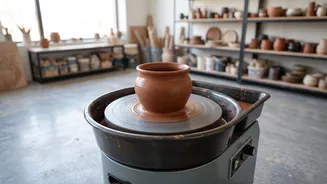
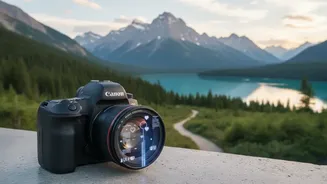
Social media platforms have become powerful engines for the experience economy. Instagram, TikTok, and YouTube are visual mediums perfectly suited for showcasing stunning travel destinations and the energy of live events. This creates a powerful feedback loop: people see their friends and influencers sharing amazing experiences, which in turn inspires them to seek out their own. For many younger travellers, social media is a primary source of travel inspiration. But it's more than just a highlight reel. These platforms also help people discover niche activities, from pottery workshops to local food tours, turning what were once holiday-only activities into regular weekend plans. The ease of discovering, booking, and paying for these events digitally has made spontaneous, experience-led spending a part of everyday life for many urban Indians.