




The Building Blocks of Performance
Protein is the cornerstone of muscle repair, growth, and overall recovery for any athlete. Proteins are made up of smaller compounds called amino acids. There are 20 different amino acids, but nine of them are called 'essential' because our bodies can't
produce them; we must get them from food. A food source that contains all nine of these essential amino acids in sufficient quantities is known as a 'complete protein'. For athletes, consuming complete proteins is non-negotiable. After intense physical activity, muscle fibres sustain micro-tears. The essential amino acids from complete proteins are what the body uses to repair these tears, rebuilding the muscles to be stronger and more resilient. Without them, recovery slows, and performance can suffer.
Lentils: The Humble Powerhouse
Lentils, a staple in countless Indian households, are a true nutritional powerhouse. They are packed with protein, dietary fibre, iron, and B vitamins, making them an excellent foundation for an athlete's diet. A single cup of cooked lentils can provide around 18 grams of protein. They are particularly rich in the essential amino acid lysine, which is crucial for immune function and muscle repair. However, like most legumes, lentils have a 'limiting amino acid'. This means that while they contain all essential amino acids, they are relatively low in two specific ones: methionine and tryptophan. This is why, on their own, they aren't considered a 'complete' protein in the strictest sense.
Pumpkin Seeds: The Missing Link
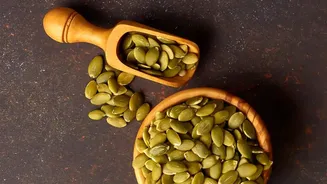
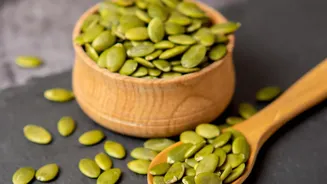
This is where pumpkin seeds, or pepitas, come in. These small green seeds are more than just a crunchy snack; they are a nutritional treasure chest. They are an excellent source of healthy fats, magnesium for muscle function, and zinc for immune support. Critically for our purposes, pumpkin seeds are a fantastic source of the very amino acids that lentils lack: methionine and tryptophan. Tryptophan is particularly interesting for athletes as it is a precursor to serotonin and melatonin, which help regulate mood and sleep—two vital components of effective recovery. Some sources even consider pumpkin seeds a complete protein on their own, although they can be slightly lower in lysine.
The Perfect Protein Partnership
When you combine lentils and pumpkin seeds, you create nutritional synergy. The lysine-rich profile of lentils perfectly complements the methionine and tryptophan found in abundance in pumpkin seeds. Together, they fill each other's nutritional gaps, delivering a full spectrum of all nine essential amino acids. This concept, known as protein complementation, is a cornerstone of plant-based nutrition and something our ancestors understood intuitively through traditional pairings like dal and rice. This combination ensures your body has all the necessary building blocks available for optimal muscle protein synthesis, which is the process of repairing and building new muscle tissue after a workout. This isn't just about building bulk; it's about recovering faster, reducing muscle soreness, and maintaining a strong immune system under the strain of intense training.
Easy Ways to Fuel Your Performance
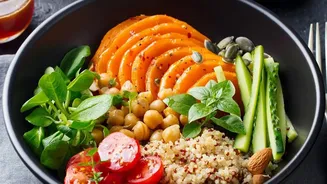
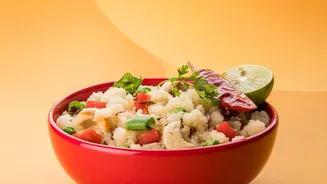
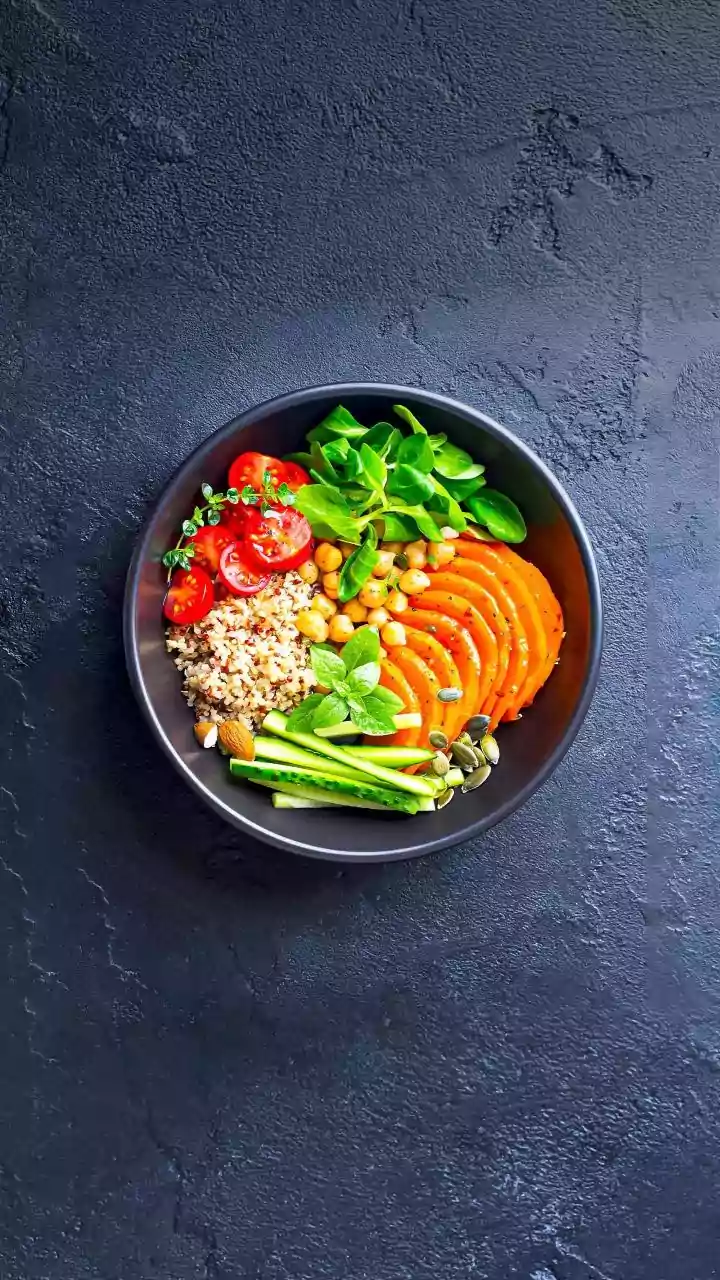
Incorporating this powerful duo into your diet is simple and delicious. You don't necessarily need to eat them in the exact same mouthful, but consuming them within the same day provides the benefits. For a post-workout meal, a hearty bowl of dal topped with a generous sprinkle of roasted pumpkin seeds is an ideal choice. You can also blend soaked lentils into a thick soup and garnish it with toasted seeds for added texture and nutrition. For a quick and easy option, consider adding both cooked lentils and pumpkin seeds to salads for a protein-packed lunch. You could even create homemade energy bars or ladoos using lentil flour and ground pumpkin seeds. The key is to see them as a flexible and potent combination to support your athletic goals.