



Why Compost, Especially Now?
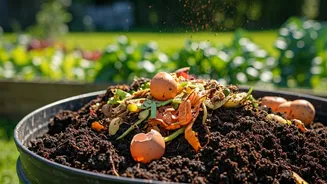
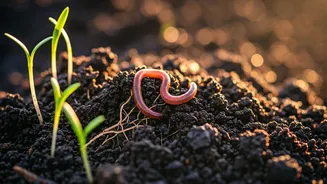
Composting is the natural process of recycling organic matter, like vegetable peels and coffee grounds, into a rich soil amendment. For the home gardener, it’s a win-win. You significantly reduce the amount of waste going to landfills, and in return,
you get a free, all-natural fertiliser that’s teeming with nutrients. The monsoon is the perfect time to start. The ambient moisture helps speed up decomposition, and by the time your compost is ready in a few months, your plants will be hungry for a nutrient boost to thrive through the rest of the season.
Your Composting Starter Kit
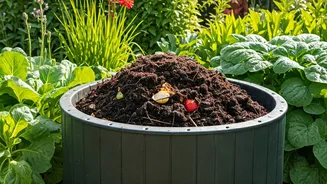
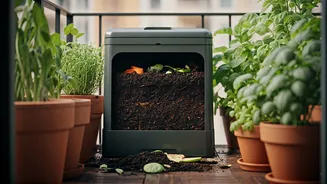
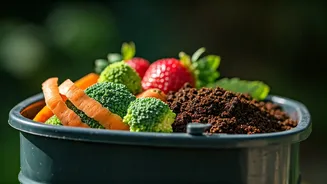
You don't need fancy equipment to begin. Your composting setup can be as simple or as sophisticated as you like. For apartment dwellers with balconies, a large terracotta pot (kham্বা) with a drainage hole, a bucket with holes drilled in it, or a ready-made tiered composter works beautifully. If you have a backyard, you can create a simple pile in a corner. The key elements are a container that allows for aeration (air flow) and drainage. You’ll also need a plate or tray to place underneath to collect any liquid (compost tea, another fantastic plant food!), and a lid or cover to protect your pile from heavy downpours.
The 'Green' and 'Brown' Recipe
A healthy compost pile needs a balance of two types of materials: 'greens' and 'browns'. Think of it as a recipe for your soil.
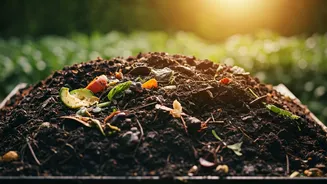
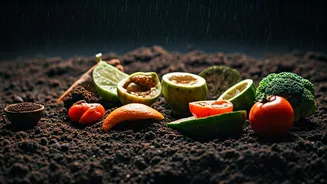
'Greens' are nitrogen-rich materials that provide moisture and kick-start the decomposition. These include most of your kitchen scraps: vegetable peels, fruit waste, leftover dal (without oil), tea leaves, and coffee grounds.
'Browns' are carbon-rich materials that provide structure and aeration, preventing the pile from becoming a smelly, slimy mess. These are dry items like dried leaves, twigs, sawdust, crushed eggshells, newspaper strips, and cardboard. A good rule of thumb is to aim for a ratio of roughly two parts brown to one part green. This balance is crucial for odour-free, efficient composting.
What to Add and What to Avoid
Knowing what goes in is half the battle. Stick to this simple list to keep your compost pile healthy and happy.
**YES, PLEASE (Greens & Browns):**
- Vegetable and fruit peels and cores
- Tea leaves and coffee grounds
- Crushed eggshells (a great source of calcium)
- Dried leaves, grass clippings, and small twigs
- Shredded newspaper and cardboard
- Rice water (kanji)
**NO, THANK YOU (Avoid These):**
- Meat, fish, bones, and dairy products: These attract pests and create foul odours.
- Oily or greasy foods: They disrupt the moisture balance and slow down decomposition.
- Pet waste: It can contain harmful pathogens.
- Diseased plants: You don't want to spread plant diseases back into your garden.
- Too much citrus or onion: Use in moderation, as high acidity can slow the process.
Monsoon Composting: The Secret Sauce
The biggest challenge during the monsoon is excess moisture. A waterlogged compost pile can become anaerobic (lacking oxygen), leading to a foul smell. To prevent this, always keep your bin or pile covered to protect it from direct rain. If it seems too wet, add more 'browns' like cocopeat, sawdust, or shredded cardboard to absorb the excess moisture. It’s also vital to turn your compost every week with a small rake or stick. This introduces oxygen, which is essential for the helpful microorganisms doing all the work, and prevents the contents from compacting into a soggy lump. If you see fungus, don't worry—it's a normal part of the decomposition process.
From Scraps to Garden 'Black Gold'
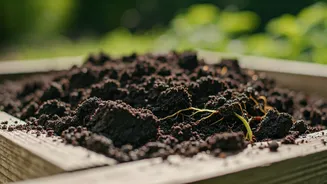
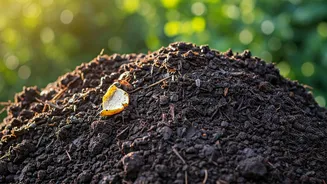
Patience is a virtue in gardening, and composting is no exception. Depending on your method and materials, your compost could be ready in as little as two to three months. You'll know it's done when it looks dark, rich, and crumbly, like good soil, and has a pleasant, earthy smell. There should be no recognisable food scraps left. To use it, simply mix a few handfuls into the soil of your potted plants or spread a one-inch layer around the base of your plants in the garden. This 'black gold' will improve soil structure, retain moisture, and provide a slow-release source of essential nutrients for lush, healthy growth.