


Key Dates for Your Celestial Calendar
October is packed with opportunities to witness the magic of the cosmos. The month kicks off with Saturn at its biggest and brightest. On October 4, the ringed planet reaches opposition, meaning it will be visible all night long, rising around sunset
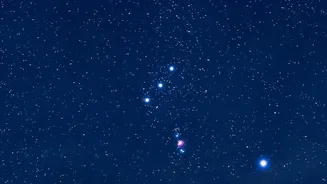
and setting around sunrise. This is the best time to view and photograph Saturn; even a modest telescope can reveal its iconic rings. Shortly after, on October 5, early risers can catch a beautiful pairing of the crescent Moon and Mars in the predawn sky. The main events for meteor lovers are the Draconids and the Orionids. The Draconid meteor shower peaks on the evening of October 8-9. Unusually, this shower is best viewed right after nightfall. With the New Moon on October 10, the sky will be perfectly dark, allowing for ideal viewing conditions for its 10 or so meteors per hour. Later in the month, the famous Orionid meteor shower, born from the debris of Halley's Comet, peaks on the night of October 21-22. This shower can produce up to 20 meteors per hour. While a bright moon will be present in the evening, it sets after midnight, leaving the pre-dawn hours dark and perfect for catching the show. The month closes with the Full Hunter's Moon on October 26.
Finding the Perfect Stargazing Spot
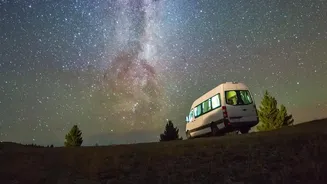
The single most important factor for a great stargazing experience is a dark sky. To truly appreciate the celestial wonders on offer, you need to escape the light pollution of cities. For residents of major urban centres, this might mean a short drive out of town to a more rural area. The general rule is simple: the farther you are from city lights, the more you will see. Look for parks, reserves, or open fields with an unobstructed view of the horizon. High-altitude locations are even better, as the thinner atmosphere means clearer skies. In India, renowned dark-sky locations include Hanle in Ladakh, which is home to India's first Dark Sky Reserve, as well as Spiti Valley and parts of the Rann of Kutch. For those without access to such remote spots, hill stations or resorts away from dense towns can offer a significant improvement over city skies. The best months for clear skies in most of India are generally from October to March, making this month an ideal starting point.
Essential Gear for Every Budget
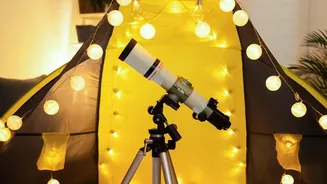
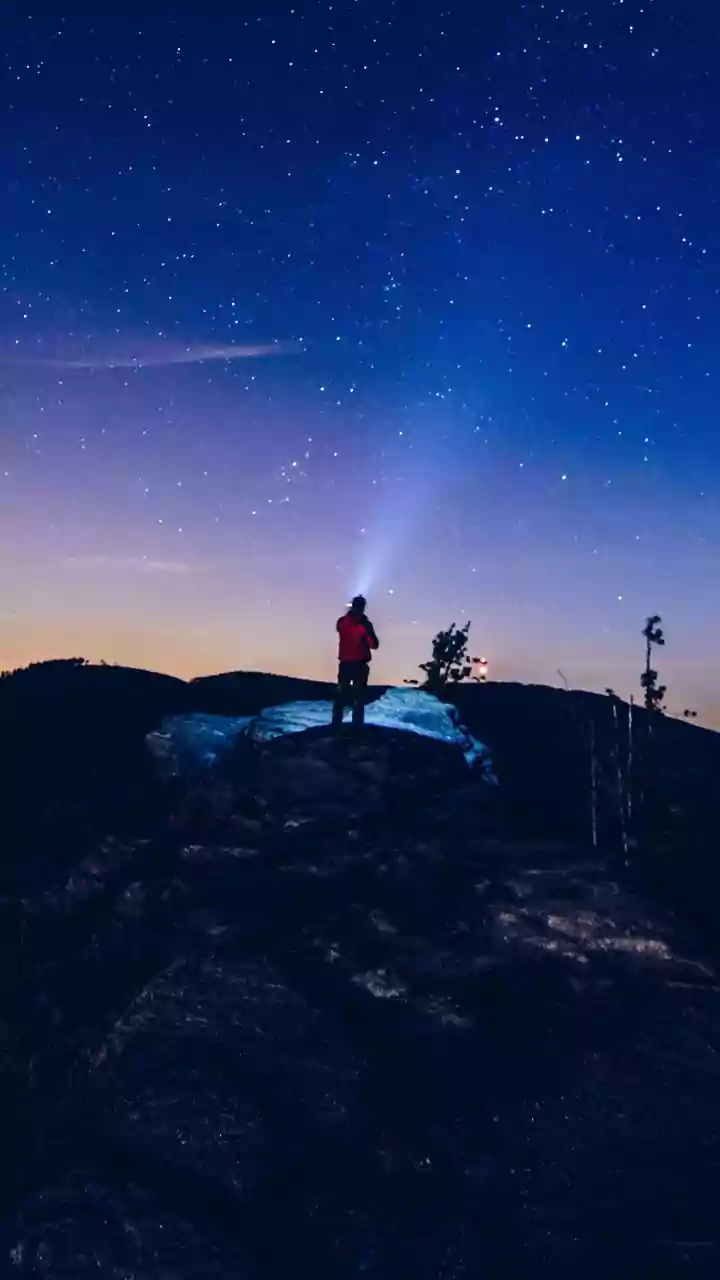
You don't need expensive equipment to start stargazing. The most essential tool is your own eyes. However, to make your experience more comfortable and rewarding, a few items can make a big difference. First, give your eyes time to adapt to the darkness—it can take 20 to 30 minutes to achieve full night vision. Avoid looking at your phone screen, as the white light will instantly ruin your dark adaptation. If you need a light, use a torch with a red filter, as red light is less disruptive to your night vision. A comfortable reclining chair or a blanket to lie on will save you from neck strain during long viewing sessions. For a closer look, a good pair of binoculars is an excellent first investment. A standard 10x50 pair is powerful enough to reveal craters on the Moon, the four largest moons of Jupiter, and brighter star clusters. If you get more serious, a beginner's telescope can open up a new level of detail, showing you Saturn's rings and distant nebulae.
Tips for a Successful Night Out
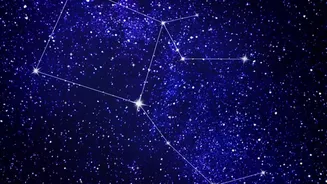
Planning is key to a memorable stargazing session. Always check the weather forecast before you head out; clear, cloudless skies are essential. Familiarise yourself with what you want to see. Apps like Star Walk or SkyView can help you identify constellations, planets, and find the radiant points of meteor showers. Dressing in layers is crucial, as even on mild evenings, temperatures can drop significantly when you are sitting still for hours. Pack some snacks and a warm drink to stay comfortable. When watching for meteors, be patient. Find a comfortable position, look up at a wide patch of sky, and relax. Your eyes will do the rest. The Draconids are best in the evening, but for the Orionids this month, the best viewing window is in the early morning hours, after the moon has set.