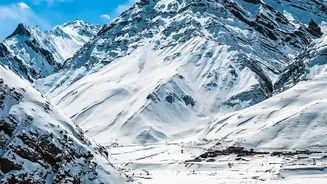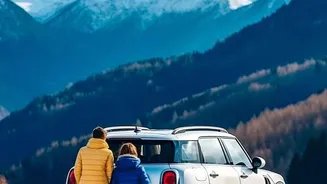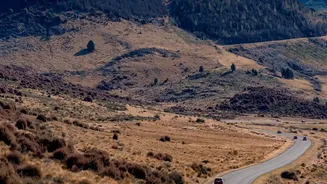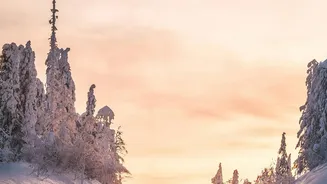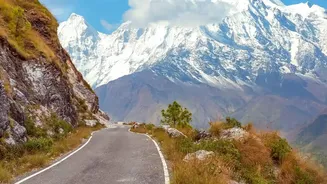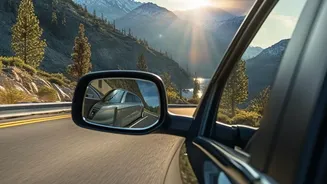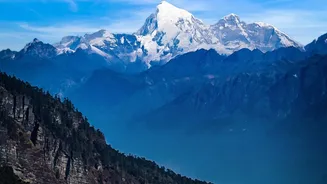




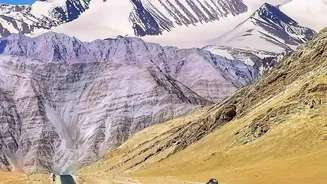

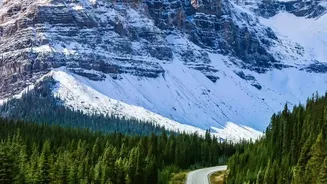
The Himalayas in early winter offer a breathtaking spectacle of snow-dusted peaks and crisp, clear skies. But this beauty comes with unique challenges. A road trip during this transitional season requires careful planning and deep respect for the mountains.
Choose Your Route Wisely
The allure of the Manali-Leh or Spiti Valley circuits is strong, but early winter (October-November) is a period of transition and uncertainty. While the BRO works to keep routes open, high passes like Rohtang, Kunzum La, and Baralacha La can close without warning due to sudden snowfall. The Manali-Leh highway, for instance, often becomes risky after mid-October and typically closes for the season by November. The Srinagar-Leh highway, with its lower-altitude Zoji La pass, generally stays open longer and can be a more reliable option. For Spiti, the route from Shimla via Kinnaur is the only practical access point, as the Manali-Kaza road becomes inaccessible. Always check the real-time status of roads with official sources before and during your trip, and build buffer days into your itinerary for unexpected closures.
Vehicle Preparation is Non-Negotiable
High altitudes and plunging temperatures are demanding on any vehicle. A 4x4 with high ground clearance is strongly recommended, but even more crucial is a thorough pre-trip inspection. Check your brakes, as cold can affect performance on steep gradients. Ensure your tyres have ample tread; winter tyres are a significant advantage on icy patches. It's also vital to check that your engine oil and coolant are appropriate for freezing temperatures to prevent thickening. Keep your fuel tank as full as possible, as fuel stations are sparse. The stretch between Tandi and Leh, for example, is notoriously long. A well-stocked emergency kit in your car is not a suggestion, but a necessity. It should include blankets, extra food and water, a flashlight, a first-aid kit, a shovel, and tow ropes.
Master the Art of Layering
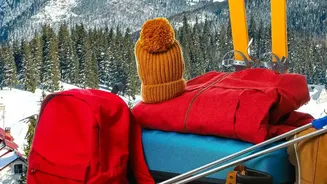
Temperatures can fluctuate wildly, from surprisingly strong sun in the afternoon to well below freezing after sunset. The key to comfort is layering. Start with a moisture-wicking base layer (thermals) made of merino wool or a synthetic fabric—avoid cotton, as it traps sweat and makes you colder. Your mid_layer should be for insulation, such as a fleece or a down jacket. The outer layer must be a windproof and waterproof shell jacket to protect you from the elements. Don't forget your extremities: pack insulated gloves, woollen socks, a warm cap or balaclava, and waterproof trekking shoes with excellent grip.
Respect Acute Mountain Sickness (AMS)
Acute Mountain Sickness is a serious risk when ascending to altitudes above 8,000 feet and can affect anyone, regardless of fitness level. It's caused by lower oxygen levels, leading to symptoms like headaches, dizziness, nausea, and fatigue. The golden rule is to ascend gradually. Plan your itinerary to 'climb high, sleep low', and allow at least 48 hours of acclimatisation upon reaching a high altitude town like Leh before proceeding further. Stay well hydrated by drinking plenty of water and avoid alcohol. If you or a travel companion experience persistent symptoms, the only reliable cure is to descend to a lower altitude immediately.
Navigate Permits and Practicalities
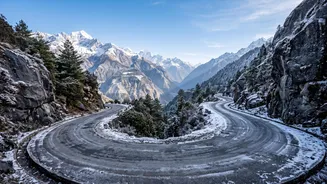
While you don't need a permit to travel on the main Manali–Leh or Srinagar–Leh highways, you will need an Inner Line Permit (ILP) for visiting restricted areas like Nubra Valley, Pangong Tso, and Tso Moriri. These permits can be obtained online through the LAHDC website or in person at the DC office in Leh. The process is straightforward and usually takes a few hours. Remember that mobile connectivity is patchy; only postpaid SIMs tend to work outside major towns. ATMs are also scarce, so carrying enough cash for food, fuel, and lodging in remote areas is crucial. Finally, daylight hours are shorter in winter, so start your driving day early and avoid being on the road after dark when temperatures drop and black ice can form.