




Beyond the Gram Count
Everywhere you look, from snack bars to cereals, high-protein labels are grabbing consumer attention. This focus has led many to believe that a higher number of protein grams automatically equals a healthier choice. While protein is essential for building
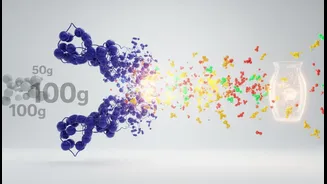
and repairing tissues, supporting immune function, and more, the raw gram count on a nutrition panel can be deceptive. The conversation in modern nutrition is shifting from simply asking “how much protein?” to a more nuanced question: “what kind of protein?” The quality of the protein you consume can be far more impactful than the sheer quantity. This involves understanding factors that are rarely printed on the front of the package.
The Amino Acid Factor
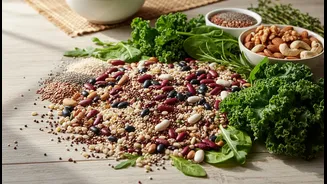
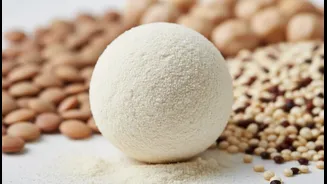
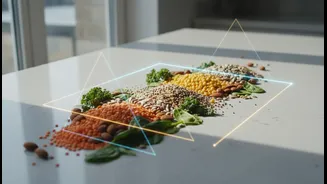
Proteins are made of smaller units called amino acids. There are 20 different types, and nine of them are considered “essential,” meaning our bodies cannot produce them, so we must get them from food. A protein source that contains all nine of these essential amino acids in sufficient amounts is called a “complete protein.” Animal-based proteins like meat, fish, eggs, and dairy are generally complete proteins. Plant-based proteins, however, often lack one or more essential amino acids, making them “incomplete.” While this doesn't make them inferior, it means that variety is key. By combining different plant protein sources—like beans and rice—you can create a complete amino acid profile over the course of the day.
Bioavailability: How Much You Actually Use
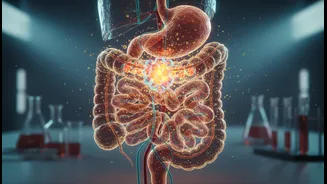
Perhaps the most overlooked aspect of protein is its bioavailability. This term refers to how efficiently your body can digest, absorb, and utilize the amino acids from a food source. Not all protein is created equal in this regard. Animal proteins typically have high bioavailability, meaning a larger percentage of the protein you eat is put to work by your body. Plant proteins can sometimes be less bioavailable because they contain compounds like fiber that can slightly hinder absorption. This doesn’t mean you should avoid plant proteins; it just means you might need to consume a slightly larger quantity to get the same usable amount of protein as from an animal source. Processing and cooking methods can also influence a protein's bioavailability.
Putting It All Together for Your Plate
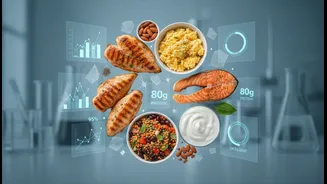
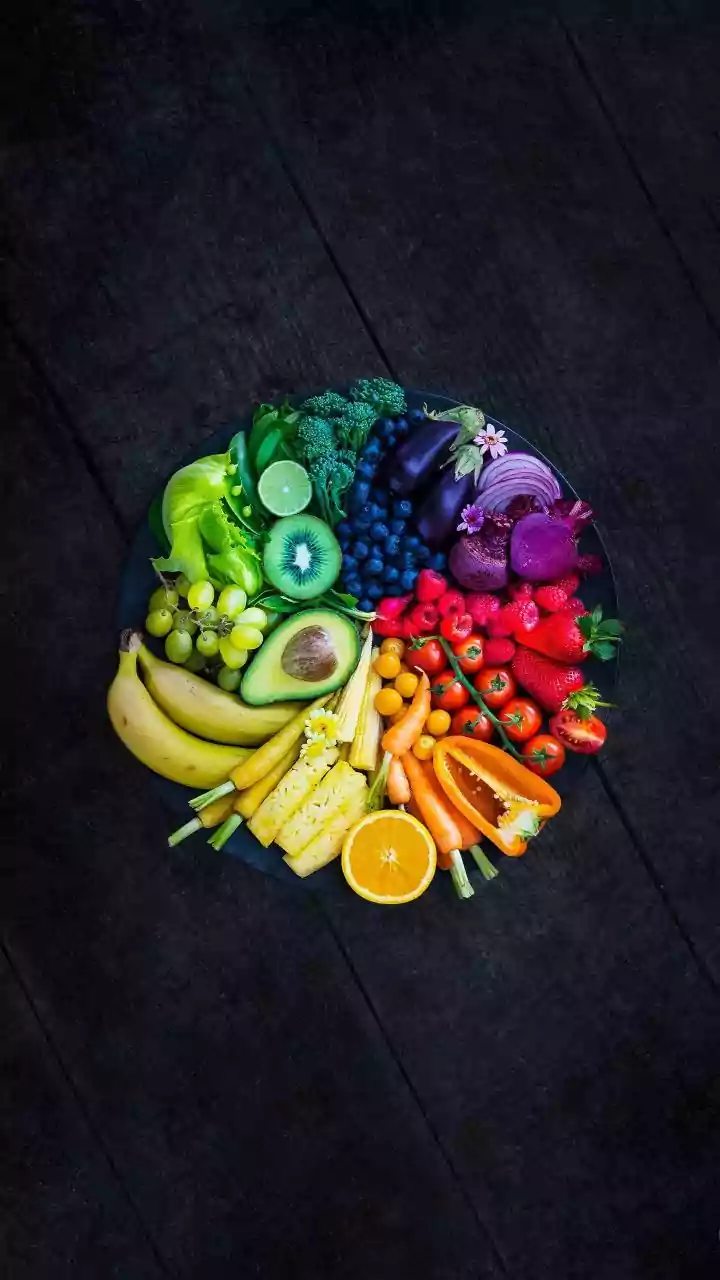
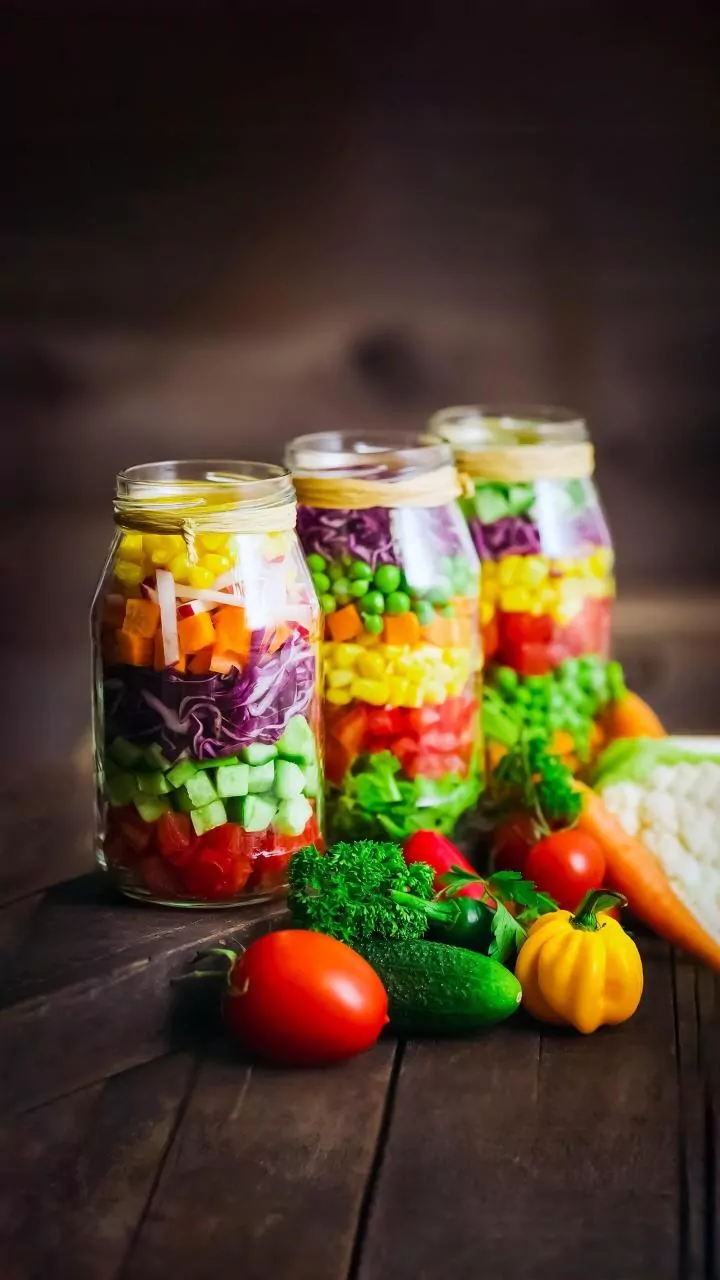
So, how can you use this information to make better choices? Instead of fixating on hitting a specific gram target with any protein source you can find, focus on the “protein package”. This means considering the other nutrients that come along with your protein. A lean chicken breast, for example, offers high-quality protein without the saturated fat found in some processed meats. Lentils provide protein along with beneficial fiber and micronutrients. Recent research shows that when consumers think of “high-quality protein,” they often associate it with taste and being minimally processed, which aligns well with this holistic approach. The goal is not just to get protein, but to get it from diverse, nutrient-dense whole foods. Prioritizing lean animal sources and a wide variety of plant-based options will ensure you get the complete amino acid profiles and high bioavailability your body needs.