




The Curated Comfort of Monsoon
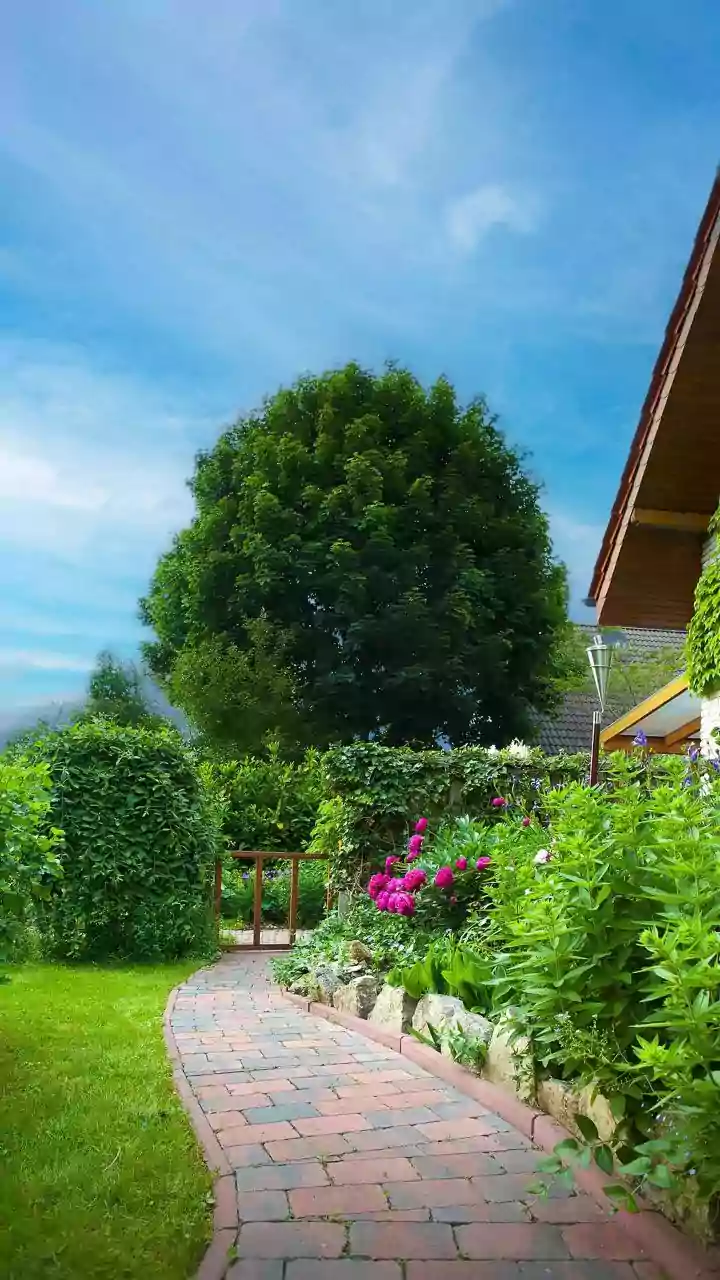
Scroll through any social media feed as the first rains arrive, and you will be met with a familiar, comforting sight. There are artfully placed paperbacks next to steaming mugs, balconies transformed into green sanctuaries with indoor plants, and living
rooms aglow with the warm light of floor lamps and scented candles. This is the romanticised monsoon, a carefully curated experience designed to be cosy, comfortable, and highly photogenic. Lifestyle blogs and decor brands promote a vision of the rainy season that can be managed with the right purchase: moisture-resistant fabrics, vibrant cushions to beat the gloom, and earthy tones to bring nature indoors. It is an appealing narrative, one where the biggest challenge is keeping the damp out and the mood cheerful. This version of the monsoon is a retreat, a chance to slow down and enjoy the safety and warmth of home while the world outside is washed clean.
When the Rain Isn't Romantic
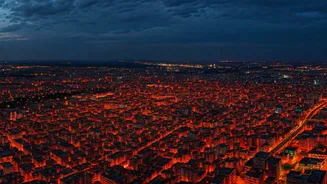
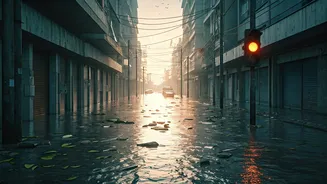
Step away from the curated balcony, and the picture changes dramatically. For millions across India's towns and cities, the monsoon is not a season of peaceful reflection but one of daily struggle and disruption. Recent reports from July 2026 highlight a familiar crisis: the first heavy showers have once again led to severe waterlogging in major hubs like Mumbai and Delhi. This is not just a minor inconvenience. It is a systemic failure where outdated and clogged drainage systems are quickly overwhelmed. Streets turn into canals, traffic grinds to a halt for hours, and newly built infrastructure, from highways to metro stations, often fails its first real test, suffering damage and causing further chaos. This annual ordeal is a result of rapid, often unplanned urbanisation, where concrete and asphalt have replaced permeable surfaces that would naturally absorb rainwater.
A Season of Sickness
The problems flow from the streets into our homes and communities in the form of significant health risks. The monsoon is a peak breeding season for mosquitoes, and with it comes a surge in vector-borne diseases. India already bears a disproportionate global burden of dengue and malaria, and cases spike predictably during these months. Stagnant, dirty water from floods and waterlogging creates a perfect breeding ground not just for mosquitoes but also for bacteria that cause water-borne illnesses like typhoid, cholera, and leptospirosis. The high humidity also contributes to a rise in airborne viral infections, from the common cold to more severe respiratory issues. Hospitals prepare for this annual influx of patients, a grim reminder that for many, the monsoon brings not just inconvenience but genuine danger.
The Unseen Economic Toll
While the focus is often on dramatic urban floods, the economic impact of a fraught monsoon is wide-ranging. Daily wage earners, who form a massive part of the urban workforce, are hit hardest. Construction work halts, street vendors lose business, and getting to any manual job becomes a challenge, leading to a direct loss of income for those who can least afford it. The disruption extends to supply chains, retail, and logistics, impacting everything from e-commerce deliveries to office productivity. For the poor living in informal settlements, often in vulnerable low-lying areas or along riverbanks, the risk is existential. Their homes are frequently damaged or washed away, forcing them into temporary shelters and a cycle of rebuilding. This disparity highlights the two Indias experiencing the monsoon: one that can afford to romanticise it, and one that is forced to survive it.
Beyond the Cosy Corner
Bridging the gap between the cosy fantasy and the harsh reality requires more than just individual awareness—it demands systemic change. Experts consistently point to the need for better urban planning, including the preservation of wetlands and green spaces, and a massive upgrade of colonial-era drainage systems. Stronger enforcement of building codes and preventing encroachment on floodplains are crucial first steps. While municipal and national bodies grapple with these long-term challenges, often with limited resources and coordination, there is a role for informed citizens. Moving beyond the aesthetics of monsoon decor means recognising it as a privilege. This recognition is not about guilt, but about fostering an understanding that prompts a demand for better governance, greater accountability for urban infrastructure, and support for the communities most vulnerable to the season's fury.