





The Midday Mealtime Battle
It’s a familiar scene in households across India. One child wants dal chawal, another wants a sandwich, and you just want five minutes of peace. Juggling different preferences, dietary needs, and the ticking clock can make lunchtime feel more like a high-stakes
negotiation than a nourishing break. Parents often find themselves becoming short-order cooks, preparing multiple different meals just to keep everyone happy. This leads to more work, more mess, and often, more frustration when a carefully prepared meal is met with a turned-up nose. The result is parental burnout and the feeling that you can just never get it right.
The Solution: A 'Build-Your-Own' Lunch
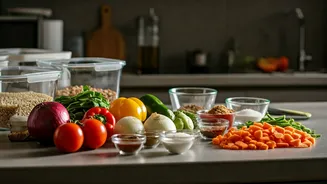
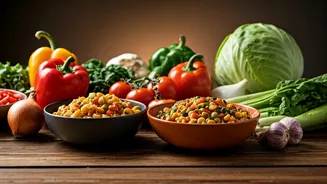
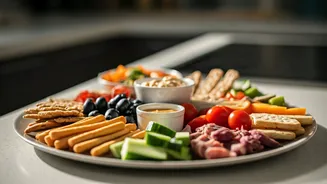
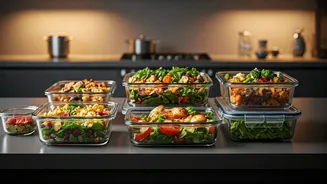
The secret weapon winning over families isn't a single, magical recipe. It’s a method: the deconstructed, build-your-own lunch. The concept is brilliantly simple. Instead of presenting a finished, plated meal, you lay out a variety of components and let each family member assemble their own. Think of it as a mini-buffet or a personal thali bar. This could be a collection of small bowls (katoris) filled with different ingredients or a large platter artfully arranged. The power of this approach lies in its flexibility and the sense of control it gives to every person at the table, especially children.
Why This Method Is a Game-Changer
This approach works because it taps into basic human psychology. First, it grants autonomy. Children who feel they have a choice in what they eat are far more likely to actually eat it. By letting them pick from a pre-approved selection of healthy options, you guide their nutrition while empowering them. Second, it caters to picky eaters without extra work. If a child doesn’t like tomatoes, they can simply skip them instead of picking them out of a prepared dish. It also brilliantly accommodates different dietary needs—gluten-free, dairy-free, or vegetarian—within the same meal. For parents, it means less cooking, less stress, and significantly less food waste, as people only take what they know they will eat.
The Building Blocks of Success
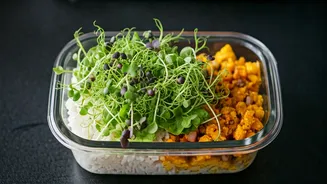
Getting started is easy. You don’t need fancy ingredients, just a balanced variety. Think in terms of categories and offer 2-3 choices from each: * **The Protein Base:** Cubes of paneer, boiled chickpeas, shredded chicken, boiled eggs, or leftover dal. * **The Carb Component:** Cooked rice or quinoa, rotis cut into triangles, whole-wheat crackers, or pasta. * **The Veggie Power:** Sliced cucumbers and carrots, cherry tomatoes, steamed corn, bell pepper strips, or a simple kachumber salad. * **The Fun Finish:** A dollop of dahi (yoghurt), a simple mint chutney, a spoonful of hummus, or some roasted peanuts for crunch. The key is to use what you have. Leftovers from last night’s dinner are perfect candidates for a build-your-own lunch board the next day.
Make It a Sustainable Habit
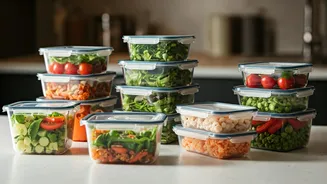
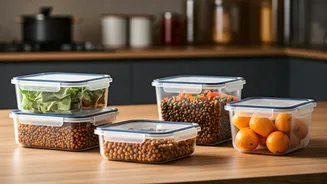
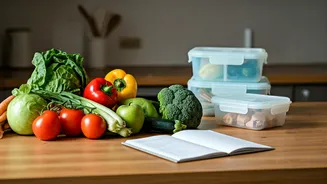
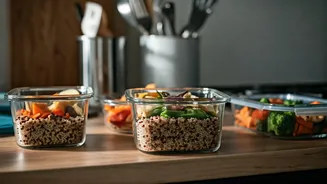
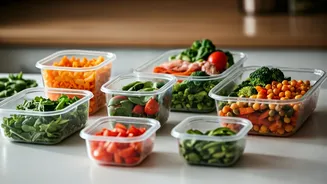
To make this a regular, stress-free part of your routine, a little prep goes a long way. While boiling potatoes for dinner, boil a few extra. When you chop veggies for a sabzi, chop some extra sticks for the next day’s lunch. You can also dedicate 30 minutes on a Sunday to prep a few components for the week ahead—boil some grains, make a chutney, and chop a few durable veggies like carrots and bell peppers. Store them in airtight containers in the fridge. Involving kids in the prep, like washing vegetables or arranging items on the platter, also increases their investment in the meal and their willingness to try new things.