


The Science Behind the Sparkle
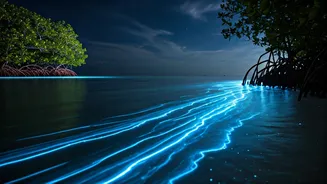
This ethereal glow isn’t magic, but it might as well be. The phenomenon is called bioluminescence, a chemical reaction created by living organisms. In the coastal waters of the Arabian Sea, the primary artist is a type of phytoplankton called dinoflagellates,
specifically *Noctiluca scintillans*, often nicknamed ‘sea sparkle’. When disturbed by the movement of waves, a boat, or even your hand trailing in the water, these microscopic creatures emit a brief, brilliant blue-green light. This biological defence mechanism creates shimmering trails and glittering clouds in the dark water, a truly mesmerising spectacle that feels like something out of a fantasy film.
Where to Find the Glowing Waters
While the headline mentions ‘ghats’, it’s important to clarify we aren't talking about the river steps of Varanasi. This magical display happens in the coastal regions along India’s Western Ghats. The key states to visit are Maharashtra and Goa. In Maharashtra, spots like Juhu Beach in Mumbai have occasionally reported sightings, but the more reliable locations are further down the coast. The coastline near Ratnagiri, particularly around the beaches of Velas and Anjarle, and the backwaters near Bhayandar and Vasai are known hotspots. In Goa, the experience is often found in the inland rivers and backwaters away from the bright lights of the main tourist beaches. Kayaking trips on the Zuari River or the mangroves of Chorão Island offer some of the best opportunities to witness the glow in relative seclusion.
The Best Time for a Magical Night
Timing is everything when chasing this natural light show. The ideal season to spot bioluminescence is in the post-monsoon and winter months, typically running from late September or October through to March. During this period, the concentration of dinoflagellates in the water is often at its peak. For the best viewing experience, you must plan your trip around the lunar cycle. The darker the night, the more vibrant the glow will appear. Aim for nights on or around the new moon, when moonlight is minimal. A clear, cloudless sky further enhances the effect, creating a perfect canvas for the sea to display its glittering artistry. Always check local conditions, as factors like water temperature and recent rainfall can also affect the intensity of the bloom.
Booking Your Nighttime Safari
Finding your way to this glowing spectacle is easier than you might think. In popular areas like Goa, several eco-tourism operators offer guided 'night kayaking' or 'bioluminescence tours'. A quick online search will reveal companies that provide kayaks, safety gear, and experienced guides who know the best spots. These tours are highly recommended, as they navigate the dark waters safely and take you to areas where the effect is most pronounced. In the quieter parts of Maharashtra, you may need to rely on local knowledge. In villages near Ratnagiri, you can often hire a local boatman for a private night tour. While less formal, this can be an authentic way to experience the phenomenon. Ask around during the day, and you’ll likely find someone willing to take you out on the water after sunset.
What to Expect and How to Prepare
A late-night bioluminescence safari is a serene and peaceful experience. You’ll glide through inky black water, with the only sounds being the gentle lapping of waves and your paddle dipping into the sea. Every movement creates a fleeting burst of light. Swirl your hand in the water and watch it come alive with sparkles. A fish darting beneath the surface will leave a glowing streak in its wake. Dress in comfortable layers, as it can get cool on the water at night. While you’ll want to capture the moment, be prepared: photographing bioluminescence is notoriously difficult and requires a professional camera with manual settings and a tripod. It’s often best to put your phone away, be present, and simply soak in the incredible, fleeting beauty of the moment.