



The Gut-Friendly Food Boom
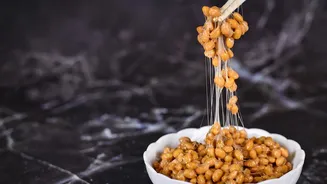
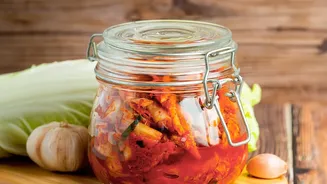
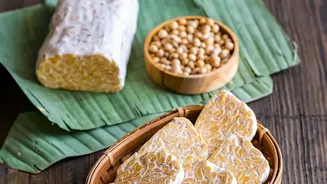
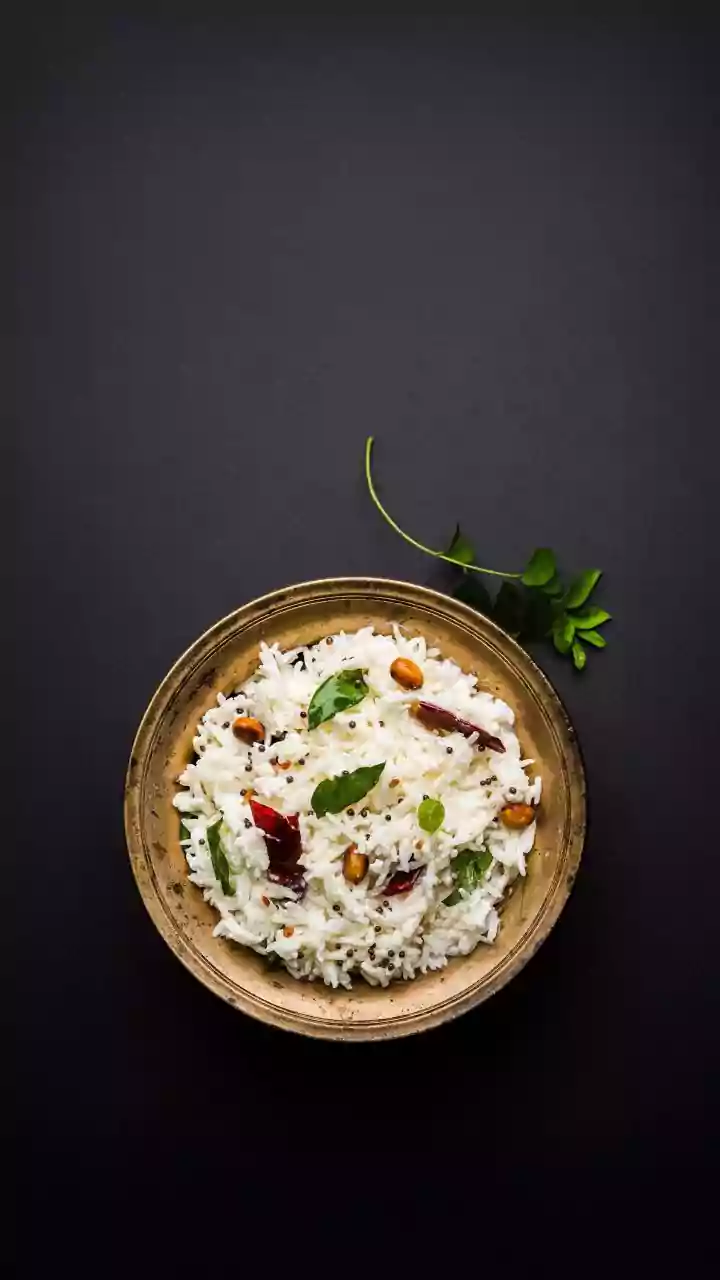
Fermented foods like yoghurt, kefir, idli, dosa, and kimchi have become dietary staples, celebrated for their potential health benefits. The process of fermentation uses microorganisms like bacteria and yeast to preserve food. This not only extends shelf
life but also creates probiotics, the 'good' bacteria that support a healthy gut microbiome. A balanced gut is linked to improved digestion, better nutrient absorption, and a stronger immune system, making these foods a popular choice for overall wellness.
Why Monsoon Increases the Risk
The very conditions that make the monsoon a welcome relief from summer heat—high humidity and ambient warmth—also create an ideal breeding ground for unwanted microbes, including harmful bacteria, moulds, and fungi. While fermentation relies on controlled microbial growth, the monsoon environment can easily disrupt this balance. Excess moisture in the air can lead to faster spoilage and increase the risk of contamination, turning a healthy ferment into a potential source of foodborne illness like gastroenteritis, typhoid, or diarrhoea.
Signs of Spoilage to Watch For
Trust your senses. A safe fermentation should smell pleasantly sour or tangy, not rotten or foul. Visually, be wary of fuzzy mould that is green, black, blue, or pink. While a flat, white film known as Kahm yeast can be harmless, any hairy or colourful growth is a major red flag, and the entire batch should be discarded immediately. An unusual slimy texture or a putrid smell are also clear indicators that the food is spoiled and unsafe to consume. Never taste food to check if it has gone bad.
Tips for Safe Home Fermentation
If you prepare fermented foods at home, impeccable hygiene is non-negotiable, especially during the rains. Always start by thoroughly washing your hands with soap and water. Ensure all utensils, jars, and cutting boards are scrupulously clean and sanitised; sterilising glass jars in boiling water is a great practice. Use fresh, high-quality ingredients and clean, filtered water. Keep your fermenting foods covered and ensure that solid ingredients, like vegetables, stay submerged under the brine to prevent exposure to air, which can encourage mould growth. Store finished ferments in the refrigerator to slow down the fermentation process and maintain safety.
Buying Fermented Foods Safely
When purchasing ready-made fermented products, choose reputable brands and vendors who maintain high standards of hygiene. Carefully inspect the packaging for any signs of damage, bloating, or leakage. Always check the manufacturing and expiry dates. This season, it is particularly wise to avoid buying fermented snacks like dahi vada or street-side chaat where the hygiene of the water and handling practices are uncertain. Opt for freshly cooked items like dosas over batters that may have sat out for too long.