



A Perfect Storm for Germs
The magic of the monsoon—cool air and high humidity—is also what makes it a paradise for microbes. The damp, warm environment allows bacteria like E. coli and Salmonella, as well as various fungi, to multiply rapidly. These pathogens thrive in moist conditions,
which means any food left at room temperature can spoil much faster than in drier months. This heightened microbial activity is the primary reason why food poisoning cases see a significant spike between June and September in India. It's not just about the food itself, but the environment it exists in.
The Problem with Water Contamination
Heavy rainfall can overwhelm drainage systems, leading to waterlogging and the contamination of municipal water supplies with sewage and other pollutants. This contaminated water is often used to wash produce sold in markets, and sometimes even for irrigation. So, even vegetables that look clean and fresh can carry invisible germs. Street food vendors face particular challenges, as they may lack access to clean water for washing ingredients or preparing items like chutneys and juices, making them a high-risk choice during this season.
The Hidden Dangers in Raw Salads
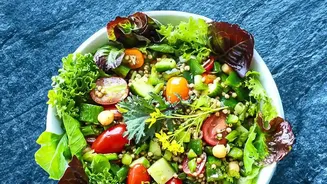
Leafy greens like lettuce, spinach, and cabbage are particularly risky during the monsoon. Their crinkly leaves and crevices provide the perfect hiding spots for dirt, germs, and even tiny parasites that are difficult to wash away completely. Since salads are consumed raw, there is no heat to kill these potential pathogens. While these vegetables are incredibly nutritious, their preparation demands extreme diligence. A quick rinse under the tap is often not enough to ensure they are safe to eat, making cooked vegetables a generally safer bet when hygiene is uncertain.
Why Pre-Cut Fruits are a Risk
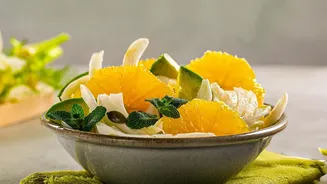
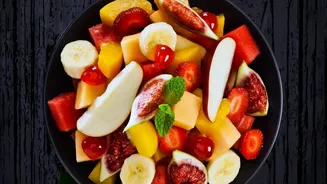
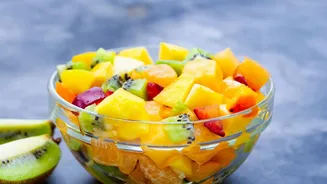
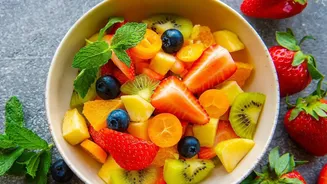
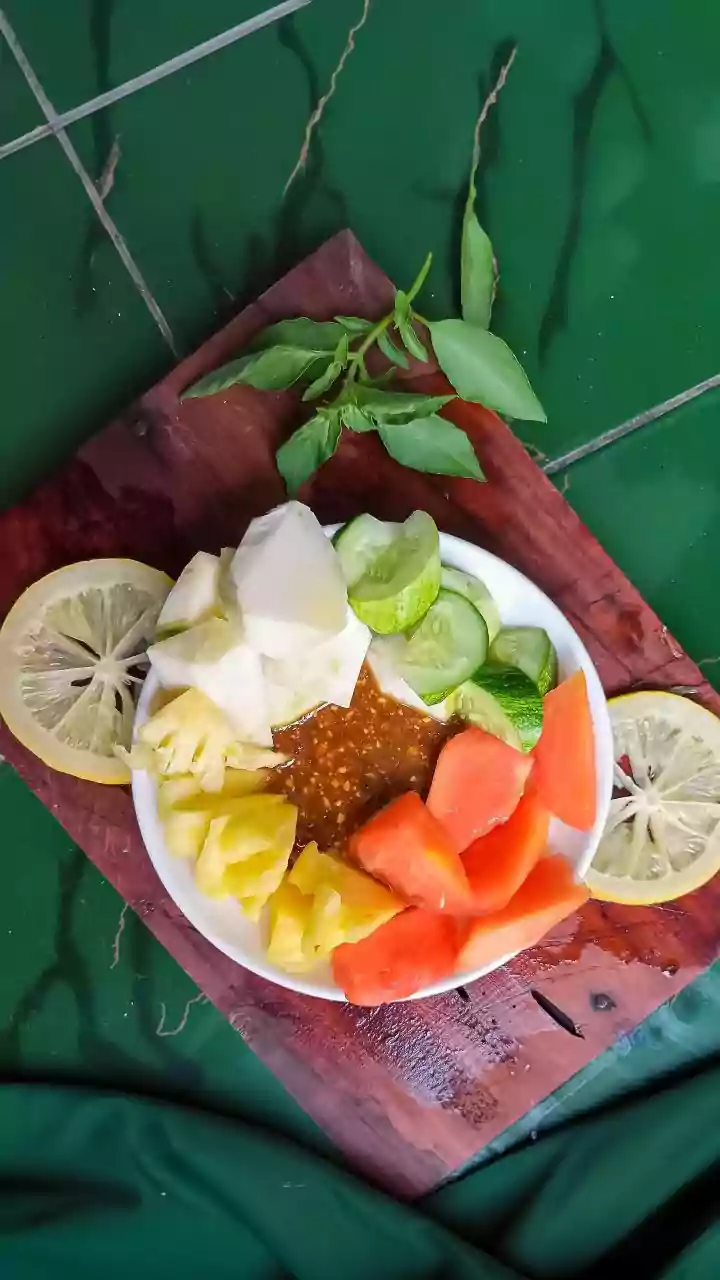
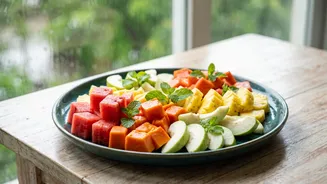
A whole fruit has its own natural, protective peel. The moment it is cut, it becomes vulnerable. Cut fruits sold by roadside vendors are exposed to dust, flies, and multiple hands, all of which can introduce contaminants. The knife used for cutting and the water used for rinsing might not be clean, adding another layer of risk. Furthermore, once the fruit's flesh is exposed to the humid air, it provides a moist, sugary surface ideal for bacterial growth. Opting for fruits that you can peel and cut yourself at home just before eating is a much safer practice.
Your Monsoon Food Safety Checklist
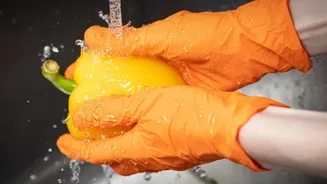
You don't need to give up fresh produce entirely. Adopting mindful habits can significantly lower your risk. First, always wash your hands thoroughly with soap before handling any food. Wash all fruits and vegetables under clean, running water. For leafy greens, consider soaking them in a bowl of water with a splash of vinegar or a pinch of salt for a few minutes before a final rinse. Always use clean knives and chopping boards, and avoid cross-contamination between raw and cooked foods. Peel fruits whenever possible, and consume them immediately after cutting. If you're eating out, prioritise freshly cooked, hot meals over raw options.
When Cooked is the Better Choice
During the monsoon, slightly altering your diet can be a powerful preventive measure. Steaming, boiling, or lightly sautéing your vegetables is one of the most effective ways to ensure they are safe, as heat destroys most harmful microorganisms. Instead of a raw vegetable salad, consider a warm soup or a dish of grilled vegetables. These cooking methods not only eliminate germs but are also easier on the digestive system, which can become sluggish during the rainy season, according to some nutrition experts. This simple switch allows you to enjoy the nutritional benefits of vegetables without the associated risks.