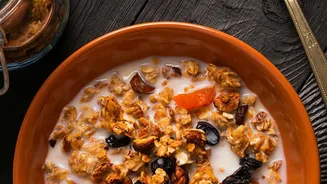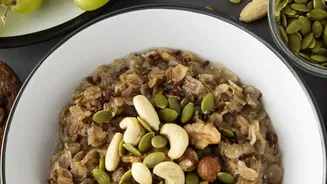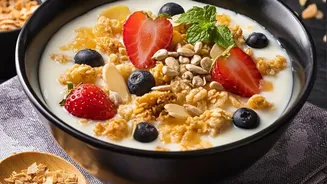



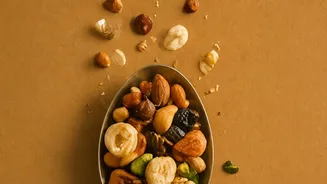
Starting your day with a balanced meal is crucial for managing diabetes. An easy way to boost the nutritional value of your breakfast is by adding seeds. These tiny powerhouses are packed with fibre, protein, and healthy fats that can help.
1. Chia Seeds: The Fibre Powerhouse
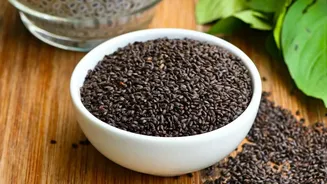
Chia seeds
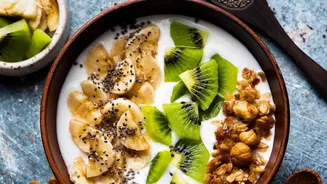
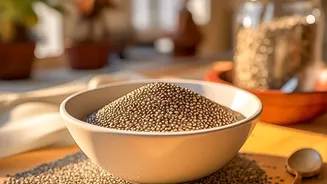
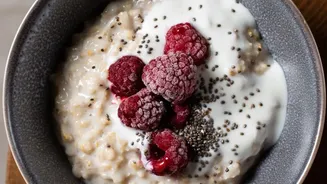
are incredibly beneficial for blood sugar management, primarily due to their high soluble fibre content. When you soak chia seeds, they form a gel-like substance. This gel slows down digestion, which in turn slows the absorption of sugar into the bloodstream, preventing sharp spikes after your morning meal. A two-tablespoon serving contains about 10 grams of fibre and only around 2 grams of net carbs, making their impact on blood glucose minimal. They are also a good source of omega-3 fatty acids and protein, which contribute to satiety and heart health. For a simple breakfast, mix two tablespoons of chia seeds with milk or unsweetened yogurt and let it sit overnight for a ready-to-eat pudding. You can also sprinkle them into smoothies or over oatmeal.
2. Flax Seeds: For Better Blood Sugar Control
Flax seeds, known as 'alsi' in India, are another excellent choice for a diabetes-friendly diet. They have a low glycemic index, meaning they don't cause a rapid rise in blood sugar. This is largely thanks to their high fibre content, which, similar to chia seeds, slows down glucose release. Studies have shown that regular consumption of flax seeds may improve insulin sensitivity and help lower post-meal blood sugars. To get the most benefit, it's best to consume flax seeds in their ground form, as the whole seeds can pass through the digestive system undigested. You can easily add a tablespoon of ground flaxseed to your morning oatmeal, blend it into a smoothie, or stir it into yogurt. They are also rich in alpha-linolenic acid (ALA), a type of omega-3 fatty acid that supports heart health.
3. Pumpkin Seeds: The Magnesium Boosters
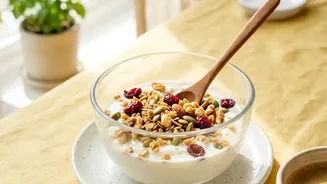
Pumpkin seeds, or pepitas, are a nutrient-dense snack with a very low carbohydrate content and a low glycemic index, making them ideal for blood sugar control. They are particularly rich in magnesium, a mineral that plays a crucial role in insulin function and glucose metabolism. Many people with diabetes have low magnesium levels, so including magnesium-rich foods like pumpkin seeds can be very beneficial for improving insulin sensitivity. A standard one-ounce (28g) serving provides a good amount of healthy fats, protein, and fibre, which work together to promote stable energy and prevent glucose spikes. Enjoy a small handful of raw or roasted unsalted pumpkin seeds as a snack, or sprinkle them over yogurt, salads, or your morning cereal for added crunch and nutrition.
4. Sunflower Seeds: Rich in Healthy Fats
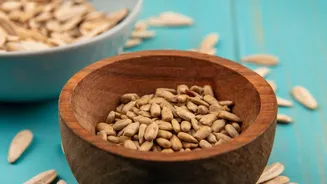
With their mild, nutty taste, sunflower seeds are a versatile addition to any meal. They are low in carbohydrates and have a minimal impact on blood sugar levels due to their high content of protein and healthy fats. These fats, along with fibre, slow down digestion and help maintain stable glucose levels after eating. Sunflower seeds are also an excellent source of Vitamin E, an antioxidant that can help reduce inflammation, which is often a concern for individuals with diabetes. Some studies have indicated that daily consumption of sunflower seeds may contribute to a significant decrease in fasting blood sugar levels. Add a tablespoon of unsalted sunflower seeds to your breakfast bowl, whether it's oatmeal, yogurt, or a smoothie, to get a boost of beneficial nutrients.
5. Sesame Seeds: Small but Mighty
Sesame seeds are a staple in Indian kitchens and offer surprising benefits for diabetes management. They have a negligible glycemic index because they are very low in digestible carbohydrates. Research suggests that compounds in sesame seeds, such as lignans and pinoresinol, can help improve insulin sensitivity and slow down the breakdown of some sugars in the body. Like the other seeds on this list, they are a good source of fibre, healthy fats, and essential minerals like magnesium, all of which support blood sugar control. One study found that sesame consumption could help reduce fasting blood sugar and HbA1c levels. You can sprinkle toasted sesame seeds on avocado toast, blend them into a smoothie, or use tahini (sesame paste) as a base for a breakfast dressing.