




Why the Monsoon is Magical, and Why Caution is Key
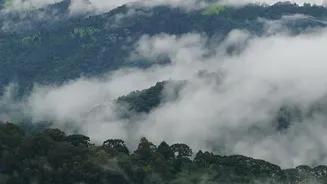
The monsoon season, typically from June to September, transforms Wayanad into an emerald paradise. The crowds are thinner, the air is cool, and the prices are often lower. It’s a photographer’s dream and a perfect setting for a quiet, rejuvenating retreat.
However, this beauty comes with inherent risks. Heavy rainfall can lead to landslides, flooded roads, and power outages. Areas like Vythiri and Meppadi can be particularly vulnerable. The key isn’t to avoid the season altogether, but to travel with awareness and preparation, turning a potentially hazardous trip into a memorable and safe adventure.
Choosing Your Sanctuary: A Safe Homestay Checklist
The homestay you choose is your most important safety decision. When booking, prioritise properties registered with Kerala Tourism or the local DTPC, as they are required to meet certain standards. Look for recent reviews from other monsoon travellers. Check the property's location on a map to ensure it’s not on a steep, unstable slope or in a low-lying area prone to flooding. Before confirming your booking, ask the host directly about their emergency preparedness. Key questions include: Do you have a power backup like a generator? Is the road access to the property reliable during heavy rain? What is your cancellation policy in case of a weather alert? A transparent and helpful host is often a sign of a well-run and secure establishment.
The Monsoon-Proof Packing List
Packing smart can make all the difference. Beyond a standard raincoat and umbrella, consider bringing clothing made from quick-drying synthetic fabrics, as cotton can take days to dry in the humidity. Sturdy, anti-slip footwear is non-negotiable for navigating wet and slippery paths. To protect your electronics, use waterproof bags or dry pouches. The monsoon also brings out leeches and other insects, so pack a good insect repellent and perhaps even leech socks if you plan on trekking. A basic first-aid kit with antiseptic, bandages, and medication for common ailments is also wise. Finally, with potential power cuts, a fully charged power bank is an essential modern-day travel tool.
Navigating the Journey: Road Safety and Local Travel
Getting to and around Wayanad during the monsoon requires patience and caution. The ghat roads, with their numerous hairpin bends, can be treacherous when wet. It’s highly advisable to hire an experienced local driver who understands the terrain and conditions. Avoid driving after dark when fog and rain can severely reduce visibility. Before you travel, always check for the latest weather alerts and road status from official sources like the District Disaster Management Authority. Some routes, like the Bandipur forest stretch on NH 766, have night-time closures (9 pm to 6 am) regardless of the weather, so plan your travel times accordingly. Be flexible with your itinerary; a road might be clear in the morning but blocked by the afternoon.
Exploring the Outdoors: Activities with Awareness
Wayanad’s outdoor attractions are at their most dramatic during the monsoon, but they also pose the greatest risk. Waterfalls will be in full flow, but swimming in or getting too close to swollen rivers and waterfall pools is extremely dangerous due to strong currents. If you plan to trek, stick to well-known trails, ideally with a local guide who knows which paths are safe. Be aware that forest floors will be teeming with leeches. Avoid trekking or visiting waterfalls immediately after a heavy downpour, as the risk of flash floods and slippery paths increases. Prioritise your safety over getting the perfect picture, and always heed local advice and warning signs.