


The Romanticised Risk
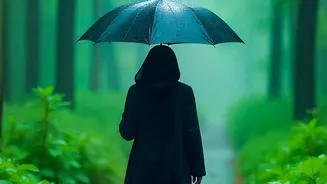
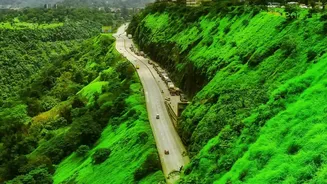
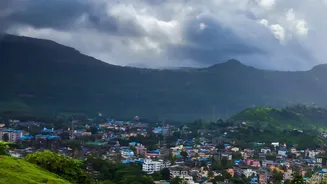
The allure of a monsoon trek is undeniable: waterfalls in full flow, cloud-covered mountains, and vibrant green valleys create a picture-perfect setting. Social media is often filled with breathtaking images from these seasonal journeys, encouraging more
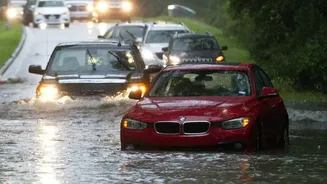
people to venture out. However, this romanticised view frequently masks the harsh realities. Monsoon trekking comes with serious dangers including flash floods, slippery rock faces, and poor visibility that can turn an adventure into a tragedy. Recent incidents, such as a tourist's fatal fall while filming a social media reel at a waterfall in Raigad, underscore the deadly consequences of underestimating these risks. Authorities across India regularly report dozens of fatalities and conduct extensive rescue operations each monsoon season due to landslides and floods, especially in the Himalayan foothills and southern states like Kerala.
Plan Before You Pack
A safe trek begins long before you hit the trail. The most critical first step is to thoroughly research your destination and route. Some popular trails become extremely hazardous during the monsoon and should be avoided. Check with local authorities, experienced trekking groups, and India Meteorological Department (IMD) forecasts for the latest weather updates and advisories. The 2026 monsoon, for instance, has been forecast as potentially below-normal due to El Niño conditions, which can affect rainfall patterns unpredictably. Always inform a reliable contact person about your detailed itinerary and expected return date. It’s also crucial to assess your own fitness level honestly; monsoon trails are physically demanding and not the place for first-time hikers to test their limits without an experienced guide.
Gear Up for the Wet
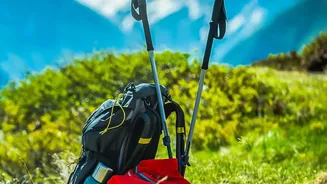
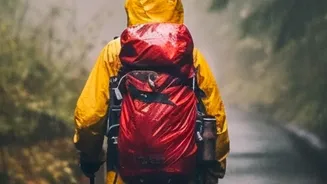
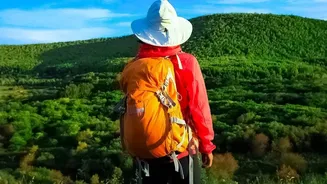
Your gear is your first line of defence against the elements. Cotton clothing is a major mistake as it absorbs water and takes a long time to dry, increasing the risk of hypothermia. Instead, opt for quick-drying synthetic fabrics. The most important piece of gear is your footwear. Invest in high-quality, waterproof trekking shoes with excellent grip to handle slippery, muddy trails. A reliable poncho or a waterproof jacket and pants are non-negotiable. Protect your electronics, money, and a spare set of dry clothes by packing them in waterproof dry bags or zip-lock pouches inside your backpack, which should also have a rain cover. A trekking pole can provide crucial stability on slippery descents and ascents. Lastly, always carry a headlamp, as heavy rain and fog can drastically reduce visibility even during the day.
On-Trail Intelligence
Once you are on the trail, your decision-making is paramount. Always start your trek early to avoid afternoon showers, which are often the heaviest. Walk slowly and deliberately, especially on wet rocks and muddy slopes, which can be treacherous. Never attempt to cross a swollen stream or river; if a water crossing looks risky, it is. Wait for the water to recede or find another route. Listen to the advice of your guide and local residents, as they possess invaluable knowledge of the terrain and weather patterns. Be extremely cautious when taking photos, especially near ledges, waterfalls, or on slippery rocks. No scenic view is worth your life. If weather conditions worsen or you feel unwell, do not hesitate to turn back. The mountains will still be there for you to explore another day.
Don't Neglect Your Health
The monsoon is a breeding season for mosquitoes and a time when water-borne diseases are rampant. Diseases like malaria, dengue, cholera, and typhoid see a spike during this period. Protect yourself from mosquito bites by using a strong insect repellent and wearing full-sleeved clothing. Leeches are also common on forest trails, particularly in the Western Ghats; anti-leech socks can be a great help. To avoid water-borne illnesses, drink only boiled, purified, or bottled water and be cautious about street food. Carry a basic first-aid kit containing antiseptic wipes, bandages, pain relievers, and any personal medications. Staying hydrated is crucial, but ensure your water source is safe.