




Understanding India's 'Hidden Hunger'
Hidden hunger is a paradox affecting millions in India. It's a form of malnutrition where a person consumes enough calories to not feel hungry but lacks the essential vitamins and minerals needed for healthy growth and function. This isn't about the quantity
of food, but its quality. Deficiencies in iron, vitamin D, vitamin B12, iodine, and zinc are rampant. According to the National Family Health Survey (NFHS-5), over half of all women of reproductive age and nearly 67% of children under five are anaemic, with iron deficiency being a primary cause. Furthermore, studies indicate that a vast majority of the population may be deficient in vitamin D, and a significant portion, especially vegetarians, lack sufficient vitamin B12. These aren't just statistics; they represent a national crisis affecting cognitive development in children, productivity in adults, and overall public health.
The Challenge: Working with Reality
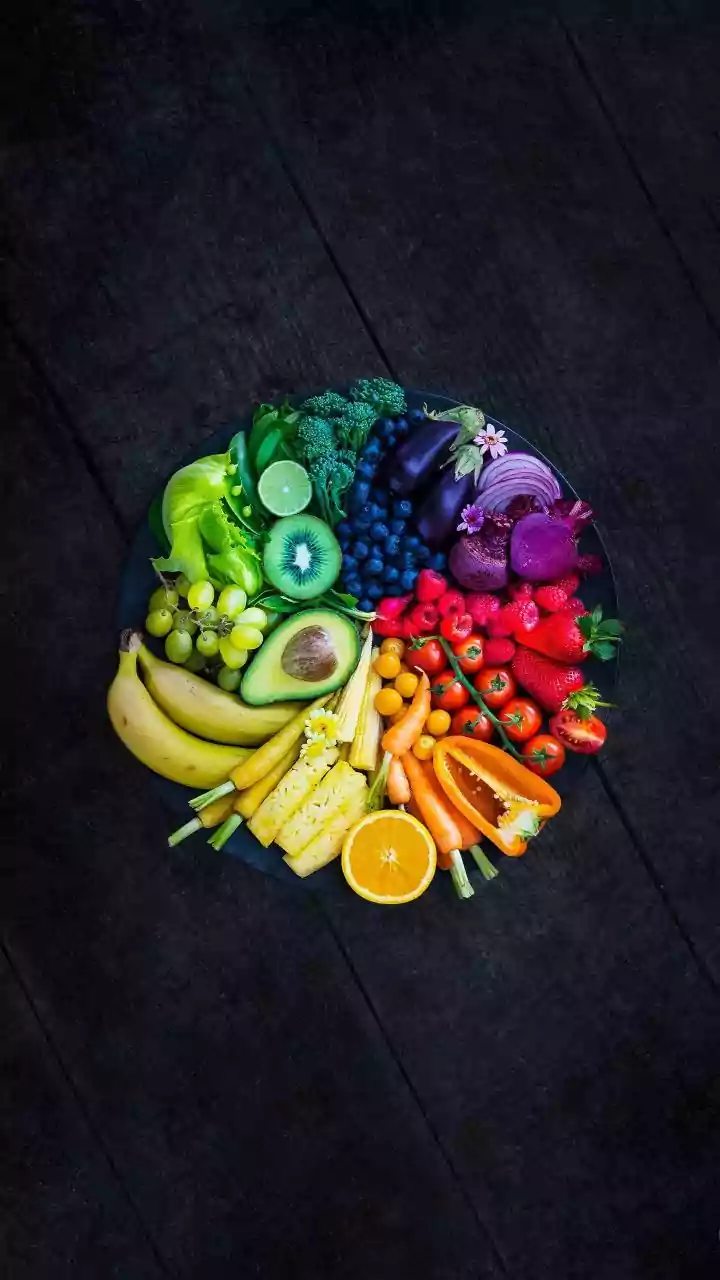
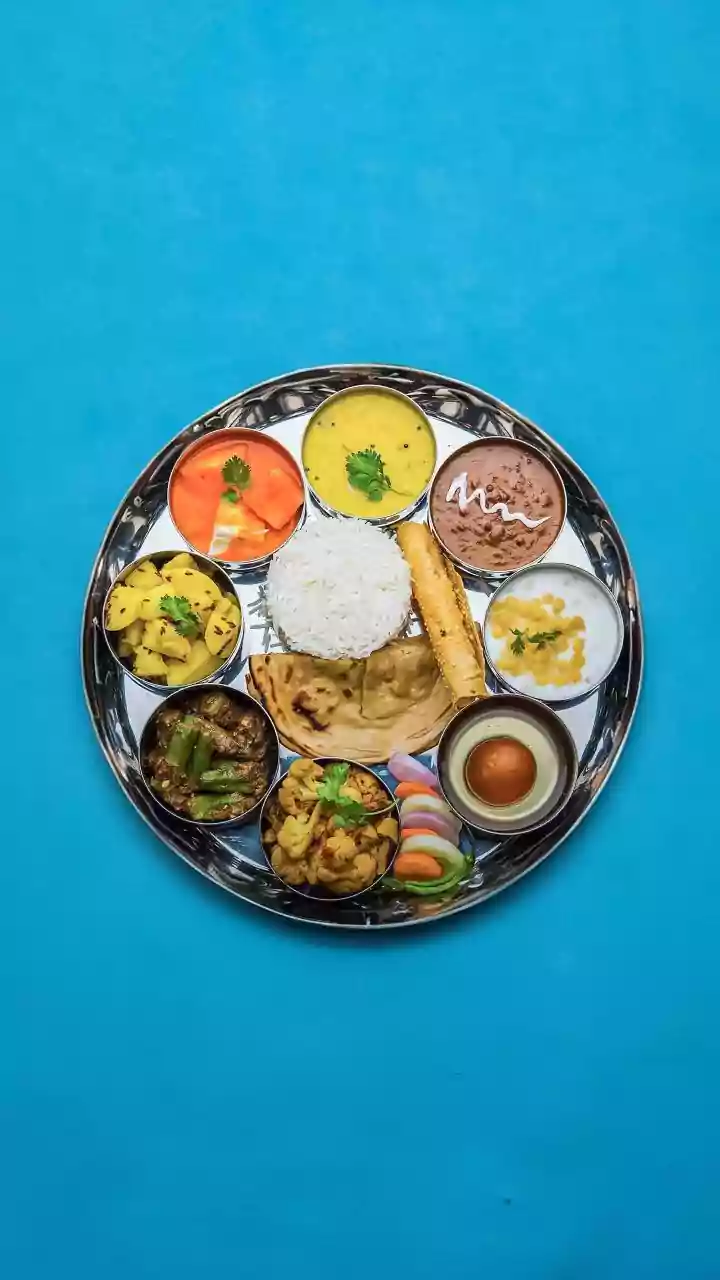
For decades, the standard advice has been to eat a more diverse diet rich in fruits, vegetables, and proteins. While well-intentioned, this approach often fails to gain traction on a national scale. The reasons are complex, rooted in economic realities, regional dietary staples, and ingrained cultural habits. A significant portion of the Indian population relies on staple foods like rice and wheat, which, while providing energy, may not offer a full spectrum of necessary micronutrients. The solution, therefore, cannot be to demand a complete overhaul of how India eats and shops. Instead, it must be integrated seamlessly into the existing framework of daily life. The most powerful changes are the ones people don't have to think about.
The Solution on the Shelf: Food Fortification
This is where food fortification comes in as a scientifically proven and cost-effective strategy. Fortification is the process of deliberately adding essential micronutrients to staple foods during processing. This doesn't change the taste, texture, or cooking method of the food, but it dramatically boosts its nutritional value. The concept is already a part of our lives: iodized salt, a massive public health success in India, is a prime example of fortification. The Food Safety and Standards Authority of India (FSSAI) has been promoting the fortification of other common staples. This includes adding iron, folic acid, and vitamin B12 to wheat flour (atta) and rice, and vitamins A and D to milk and edible oils. These are items that feature in the daily shopping baskets of millions.
Fitting into Indian Shopping Habits
For any solution to be truly effective, it must be accessible where most people shop. In India, that means the local kirana store. While supermarkets and online platforms are growing, neighbourhood kirana stores still dominate the grocery market, accounting for the vast majority of sales. Their strength lies in proximity, trust, and catering to frequent, small-basket purchases that align with the cash flow of many households. Therefore, ensuring that fortified products—be it atta, oil, milk, or rice—are readily available and affordable in these very stores is critical. The FSSAI has introduced the '+F' logo to help consumers easily identify fortified products on the shelf, turning a regular grocery run into an opportunity to combat hidden hunger without any extra effort.
Beyond Fortification: The Role of Biofortification
Another promising, long-term approach is biofortification. Unlike industrial fortification, which adds nutrients after harvest, biofortification is the process of breeding crops to be richer in vitamins and minerals from the start. The Indian Council of Agricultural Research (ICAR) has been leading efforts to develop and promote biofortified varieties of crops like rice, wheat, and millets that are naturally higher in nutrients like zinc and protein. This sustainable strategy aims to improve nutrition at the source of the food supply, making the crops themselves inherently healthier. It complements fortification by building a more resilient and nutritious food system from the ground up.