



The Green Solution: A Common Belief
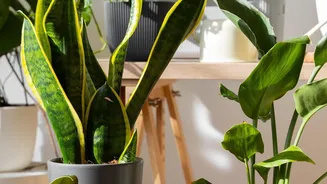
The idea that houseplants are nature's air purifiers is a deeply rooted one. It largely stems from a famous 1989 NASA study which found that certain common indoor plants could remove volatile organic compounds (VOCs) like formaldehyde and benzene from the
air. The study was conducted in small, sealed chambers, designed to mimic conditions on a space station. This exciting finding launched a decades-long trend, with many homeowners investing in spider plants, peace lilies, and snake plants not just for their beauty, but for their supposed health benefits. The promise was alluring: a simple, natural, and aesthetically pleasing way to scrub the air of invisible toxins emitted from furniture, paints, and cleaning products.
What Modern Research Says About Plants
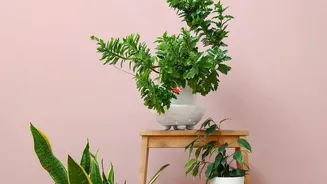
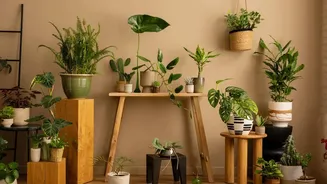
Unfortunately, more recent and comprehensive research has cast serious doubt on the air-purifying power of houseplants in a typical home. Multiple follow-up studies and meta-analyses have concluded that the 1989 NASA experiment doesn't translate to real-world conditions. The key difference is ventilation. Our homes and offices are not sealed chambers; they have constant air exchange from open windows, doors, and HVAC systems. Researchers from Drexel University conducted a major review and found that this normal air exchange dilutes VOCs much faster than plants can absorb them. To achieve the same air-cleaning effect seen in the lab, you would need an impractical number of plants—estimates range from 10 to 1,000 plants per square meter of floor space. For a standard 1,500 square foot home, that could mean housing nearly 700 plants. The scientific consensus now is that a few potted plants have a negligible effect on indoor air quality.
Ventilation: The Invisible Workhorse
While plants may not be the air-cleaning heroes we hoped for, ventilation certainly is. Ventilation is the process of replacing stale, polluted indoor air with fresh outdoor air. It works primarily through dilution, effectively lowering the concentration of indoor pollutants like VOCs, carbon dioxide, allergens, and moisture that can lead to mould. There are two main types of ventilation. Natural ventilation is the simplest: opening windows and doors to create airflow. Mechanical ventilation uses fans and ducts, from simple kitchen and bathroom extractor fans to whole-house systems (HVAC) that continuously circulate and filter air. Experts from Public Health England note that indoor air can be up to five times more polluted than outdoor air, making effective ventilation a critical public health issue.
The Undeniable Power of Fresh Air
The science supporting ventilation is robust and unequivocal. Unlike the minimal impact of plants, proper ventilation is proven to significantly improve indoor air quality. Mechanical systems offer the most consistent and controlled solution, ensuring a steady supply of fresh, often filtered, air regardless of weather conditions. This controlled airflow is vital for removing airborne contaminants and regulating humidity. Studies have shown a direct link between good ventilation and better health outcomes, including reduced allergy and asthma triggers, fewer respiratory issues, and even improved cognitive function and productivity. Whether it's the simple act of opening a window or the automated work of an HVAC system, exchanging indoor air is the single most effective strategy for dealing with indoor air pollution.
The Verdict: Function vs. Feeling
When compared head-to-head, there is no contest: ventilation is vastly more effective at improving indoor air quality than houseplants. While plants do absorb tiny amounts of pollutants, their impact is dwarfed by the air exchange that happens in any normal building. Thinking that a few plants can purify your home is, according to the latest science, a myth. However, this doesn't mean you should discard your green friends. While they may not clean the air in a chemically significant way, indoor plants provide numerous other benefits. They are known to boost mood, reduce stress, and improve our sense of well-being—a concept known as biophilia. They add beauty, life, and a connection to nature in our indoor spaces.