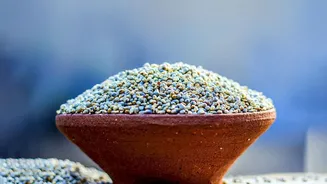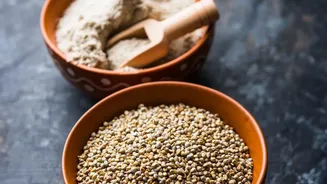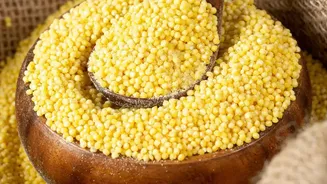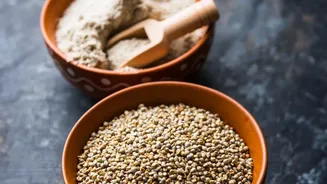


Bajra (Pearl Millet)
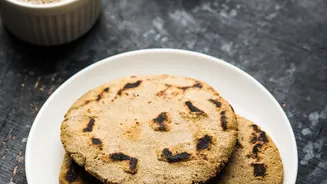
A staple in states like Rajasthan, Gujarat, and Haryana, Bajra is a gluten-free grain celebrated for its warming properties. It is a dense source of energy, packed with complex carbohydrates that provide a sustained release of fuel, which is perfect for colder
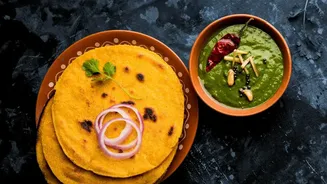
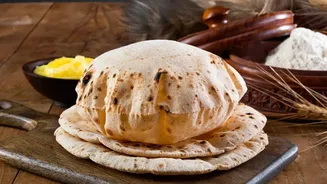
days when the body's energy demands increase. Rich in iron and magnesium, bajra helps combat winter fatigue and supports muscle function. Its high fibre content aids digestion, a common concern during winter when our metabolism can become sluggish. Enjoy it as a hearty roti with a dollop of ghee or as a comforting khichdi.
Bathua (Chenopodium Album)
This humble leafy green, often found growing as a weed in wheat fields, is a nutritional powerhouse. Bathua is exceptionally rich in essential amino acids, making it a valuable source of protein. It is also loaded with minerals like iron, potassium, calcium, and phosphorus. The high iron content helps improve haemoglobin levels and fight anaemia, while its impressive fibre and water content promote a healthy digestive system and relieve constipation. Often cooked like spinach, it's a key ingredient in saag, raita, and parathas, adding a distinct, earthy flavour.
Sarson Ka Saag (Mustard Greens)
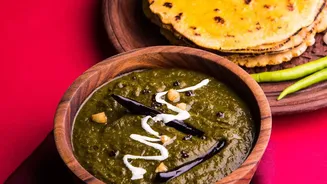
No North Indian winter is complete without the iconic Sarson ka Saag. This dish, made from mustard leaves often combined with bathua and spinach, is more than just comfort food. Mustard greens are packed with antioxidants and have immense nutritional value, providing high levels of Vitamin K for bone health and Vitamin A and C to boost immunity. Cooking this saag with ghee not only enhances its flavour but also helps the body absorb its fat-soluble vitamins more effectively. It's a classic example of traditional wisdom creating a meal that is both delicious and perfectly suited for the season's needs.
Amla (Indian Gooseberry)
Amla is a true winter superfood, renowned for its incredibly high concentration of Vitamin C—far surpassing that of citrus fruits. This potent antioxidant content makes it a powerful immunity booster, crucial for warding off the common colds and flu of the season. Amla also supports digestive health by balancing stomach acids and promoting gut health. Furthermore, its ability to enhance collagen production helps combat the dry, dull skin that often accompanies winter weather. It can be consumed fresh, juiced, or as a murabba or pickle.
Til (Sesame Seeds)
From til ladoos to chikki, sesame seeds are synonymous with Indian winters and festivals like Makar Sankranti. These tiny seeds are a fantastic source of healthy unsaturated fats, plant-based protein, and minerals like calcium, magnesium, and zinc. Ayurveda classifies til as a warming food ('Ushna'), as its dense energy content helps the body generate heat. The healthy fats and oils in sesame seeds also help lubricate the intestines, easing digestion and constipation, which can be more common in colder months.
Shakarkandi (Sweet Potato)
Often sold by street vendors and roasted over hot coals, shakarkandi is a beloved winter snack. This root vegetable is an excellent source of dietary fibre, complex carbohydrates, and vital nutrients. It is particularly rich in beta-carotene, which the body converts into Vitamin A, essential for good vision and a robust immune system. Sweet potatoes also contain a good amount of Vitamin C and potassium, which supports heart health. Unlike regular potatoes, they have a lower glycemic index, meaning they release sugar into the bloodstream more slowly.
Gond (Edible Gum)
Gond ke Ladoo are a traditional winter delicacy, especially valued for their warming and strengthening properties. Gond, a natural resin from the Acacia tree, is fried in ghee until it puffs up and then mixed into ladoos with flour, nuts, and jaggery. These energy-dense treats are known to boost stamina and provide warmth. Gond is particularly beneficial for bone health, as it's a good source of calcium and is believed to help lubricate the joints, making it a welcome remedy for the stiffness that can accompany cold weather.