





The Science of Sitting Still
Our bodies are designed for movement. When you sit for extended periods, several things happen that contribute to joint stiffness and pain. Your joints are lubricated by a substance called synovial fluid, which acts like engine oil, keeping cartilage
surfaces gliding smoothly. Movement is what circulates this fluid. When you're stationary, the fluid thickens and doesn't flow as well, leading to that 'stuck' or stiff feeling. Furthermore, a lack of movement means that cartilage, which has no direct blood supply, isn't getting the nutrients it needs. This can accelerate wear and tear over time. The muscles that support your joints, like your hip flexors, core, and glutes, also weaken from inactivity, putting more strain on the joints themselves.
More Than Just Aches and Pains
While a stiff neck or sore lower back are the most immediate symptoms, the long-term consequences of a sedentary work life can be more serious. Chronic poor posture from slouching over a keyboard can lead to muscle imbalances and even spinal misalignment. This puts sustained pressure on your joints and can contribute to chronic conditions like osteoarthritis. Prolonged sitting is also linked to slower blood circulation, which can cause fluid to build up in your legs. The issue isn't just sitting itself, but holding any single position for too long. The cumulative effect of daily inactivity can lead to reduced mobility, chronic pain, and a higher risk of injury as the muscles that protect your joints become weaker.
The Power of the Micro-Break
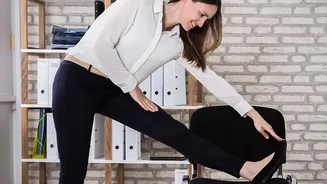
The solution isn't necessarily to trade your desk for a treadmill all day. Instead, the key is to interrupt long periods of sitting with frequent, short bursts of movement. Experts recommend getting up to stand, stretch, or walk around at least once every 30 to 60 minutes. These 'movement breaks' don't have to be long or intense to be effective. The goal is simply to change your position, reactivate your muscles, and get your synovial fluid flowing again. Think of it like a reset button for your joints. Regular movement helps reduce inflammation, increases blood and oxygen flow, and reminds your muscles and connective tissues to stay flexible and supportive.
Simple Moves for Your Workday
Integrating movement doesn't require a gym membership or a major schedule overhaul. Many effective exercises can be done right at your desk. Try a seated spinal twist by placing your hand on the opposite knee and gently rotating your torso. Relieve neck tension with gentle chin tucks and neck rotations. Squeeze your shoulder blades together to counteract slouching and open up your chest. While seated, you can perform leg extensions or hip flexions by lifting your feet off the floor. When you stand up for a break, try a few hip hinges, side bends, or simply march in place for a minute to get your blood pumping and engage your lower body.
Your Workspace Foundation: Ergonomics
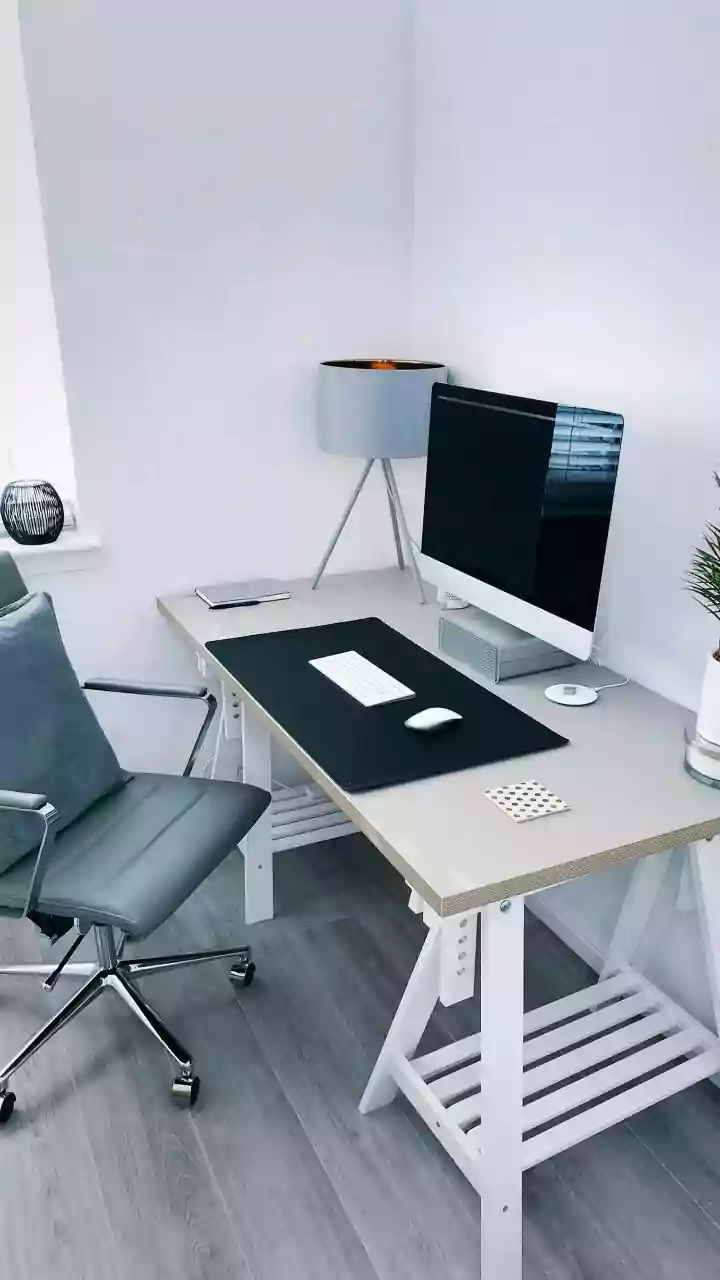
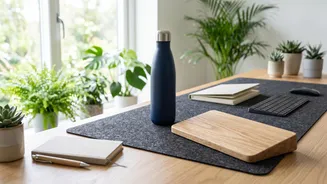
While movement is the antidote to stiffness, a proper ergonomic setup is your first line of defense. Adjust your chair so your feet are flat on the floor and your knees are at or just below hip level. The top of your monitor should be at eye level, about an arm's length away, to prevent you from craning your neck. Your keyboard and mouse should be positioned so your elbows are bent at roughly a 90-degree angle and your wrists are straight. If your chair lacks lower back support, a small pillow or rolled towel can make a huge difference in maintaining the natural curve of your spine. These adjustments reduce unnecessary strain on your body, making those hours at the desk less damaging from the start.