








Understanding Dietary Fibre
Dietary fibre is a type of carbohydrate found in plant-based foods like fruits, vegetables, whole grains, and legumes. Unlike other carbs, your body can't digest or absorb it. Instead, it passes relatively intact through your digestive system, which is where
its benefits begin. There are two main types of fibre: soluble and insoluble. Soluble fibre dissolves in water to form a gel-like substance, while insoluble fibre does not dissolve and adds bulk to your stool. Most plant foods contain a mix of both, each contributing to health in unique ways.
The Science of Feeling Full
Fibre’s ability to make you feel full, a sensation known as satiety, is backed by science. Soluble fibre is particularly effective; when it mixes with water in your stomach, it forms a gel that expands and slows down digestion. This delayed gastric emptying means food stays in your stomach longer, helping you feel satisfied for an extended period. Furthermore, high-fibre foods are generally less 'energy-dense', meaning they have fewer calories for the same volume of food. They also take longer to chew, giving your brain more time to register that you're full, which can help prevent overeating.
Top Fibre-Rich Foods in an Indian Diet
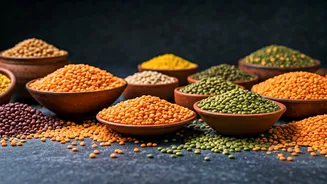
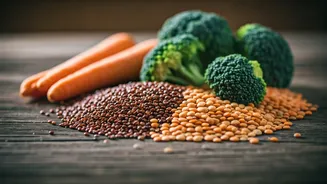
Fortunately, a traditional Indian diet is naturally rich in high-fibre options. Millets like ragi, jowar, and bajra are excellent sources. Pulses and legumes, which are staples in every household, are packed with fibre; think lentils (dal), chickpeas (chana), and kidney beans (rajma). When it comes to vegetables, include plenty of leafy greens like spinach and methi, as well as bhindi, beans, and carrots. For fruits, guavas, apples, pears, and bananas are great choices, especially when eaten with their skin where possible. Nuts and seeds like flaxseeds and chia seeds also provide a significant fibre boost.
Simple Swaps for a High-Fibre Day
You don’t need a complete diet overhaul to increase your fibre intake. Start with simple, sustainable swaps. For breakfast, switch from refined poha to oats upma or add a handful of sprouts to your plate. At lunch and dinner, make your rotis with whole wheat (atta) or a multigrain flour that includes jowar or ragi. Try replacing a portion of white rice with brown rice or millets. Ensure at least one of your main meals includes a dal or legume curry. For snacks, instead of processed options, reach for roasted chana, a piece of fruit, or a handful of nuts.
A Word of Caution: Go Slow and Stay Hydrated
While fibre is beneficial, adding too much too quickly can lead to digestive discomfort like bloating, gas, and cramping. The key is to increase your intake gradually over a few weeks. This gives the natural bacteria in your gut time to adjust. It's also crucial to drink plenty of water. Fibre works best when it absorbs water, which helps soften stool and aids its passage through your digestive system. The Indian Council of Medical Research (ICMR) suggests adults aim for about 25-40 grams of fibre daily, but many urban Indians consume only about 15 grams. A slow and steady increase is the best approach to bridge this gap.