


An Ideal Time for Sowing
August is a surprisingly active month in the Indian gardening calendar. With the peak summer heat gone and ample moisture from the monsoon, it's an excellent time to sow a variety of crops. Many gardeners can look to plant leafy greens, root vegetables,
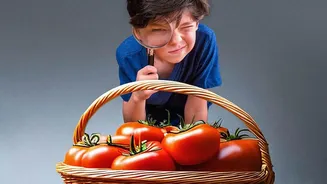
and even get a head start on fruiting plants for an autumn harvest. Vegetables like okra, beans, spinach, radishes, carrots, and tomatoes are popular choices for August sowing across many parts of the country. The warm, humid conditions help seeds germinate quickly, but this same weather brings a unique set of challenges, especially for those gardening in pots and containers.
Rainfall: A Double-Edged Sword
For container gardeners, the monsoon isn't just free watering; it's a force to be managed. Unlike plants in the ground, potted plants have a limited soil volume and can quickly become waterlogged during heavy or continuous rain. This saturation pushes oxygen out of the soil, suffocating roots and creating ideal conditions for root rot, a common reason for plants to wilt and fail during the rainy season. Furthermore, persistent heavy rain can wash away essential nutrients from the potting mix, leaving plants underfed even as they are overwatered. Therefore, managing the effects of local rainfall is paramount.
Why Container Depth is Crucial
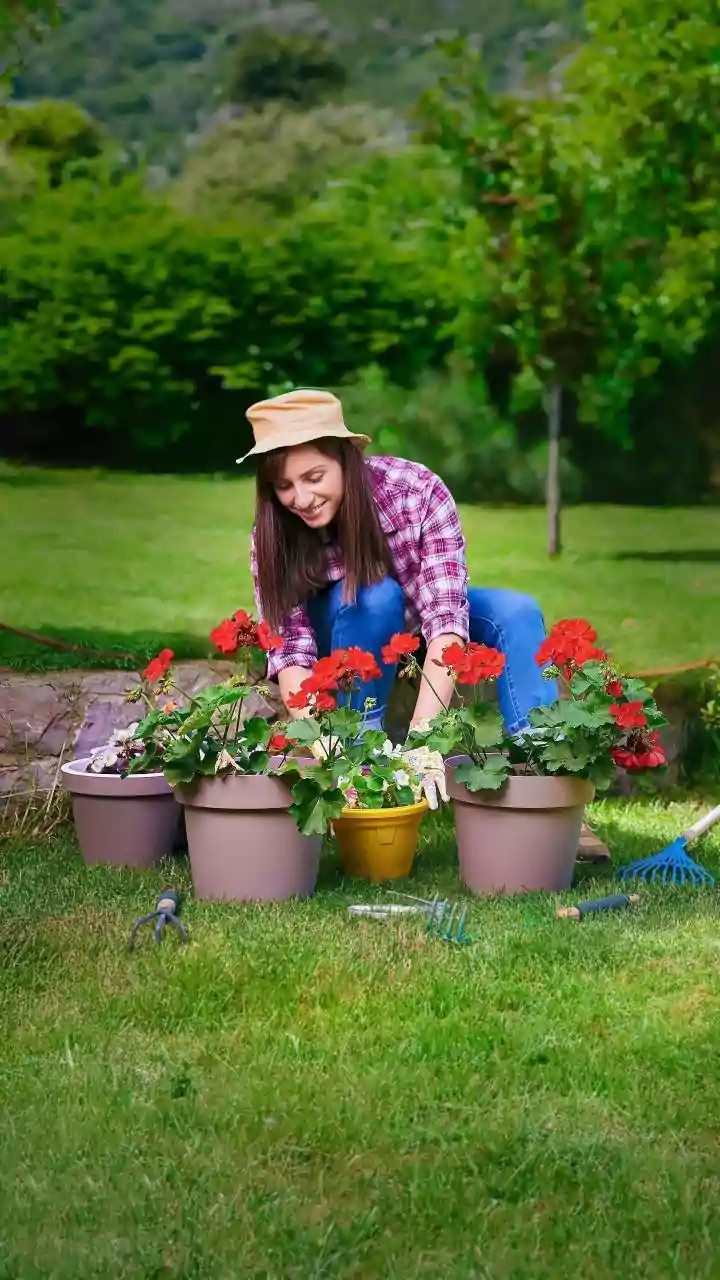
This is where container depth becomes a critical factor. The depth of a pot directly impacts its ability to manage moisture. A deeper container holds a larger volume of soil, which acts as a buffer. It creates a better balance between moisture retention and drainage. While the top layers may be saturated by a downpour, the lower sections of a deeper pot can provide a reservoir of well-aerated soil where roots can still breathe. Shallow pots, on the other hand, become saturated much faster, leaving the entire root system sitting in water with no escape. Choosing the right depth is essential for giving plant roots enough room to grow without being cramped or stunted.
Matching Pot Size to Plant and Weather
A practical approach involves matching your container depth not just to the plant, but to the expected rainfall. For example, gourds and tomatoes have extensive root systems and require deep pots of at least 12-15 inches to thrive. Sowing them in deeper containers provides stability and a crucial buffer against monsoon waterlogging. Conversely, shallow-rooted plants like lettuce or spinach can be grown in pots that are 6-8 inches deep, but even they benefit from excellent drainage during this season. For okra, a popular monsoon crop, a pot that is 10-12 inches deep provides enough room for its taproot to develop properly. If you live in an area with very heavy rainfall, using deeper pots for all your plants can be a simple strategy to improve their chances of survival.
Practical Steps for Monsoon Success
Beyond just choosing a deep pot, a few other steps can make a big difference. First, ensure your potting mix is lightweight and well-draining; never use dense garden soil in containers. A mix containing coco peat, perlite, and compost helps retain some moisture while allowing excess water to drain away. Second, always check that drainage holes are clear and never blocked. Physically lifting pots off the ground with bricks or pot feet can dramatically improve drainage by preventing the holes from sealing against the floor. During relentless downpours, consider temporarily moving smaller, more sensitive plants under a covered patio or overhang to give them a break from the deluge.