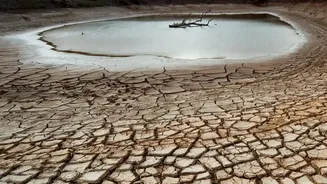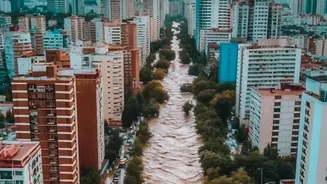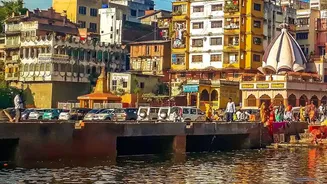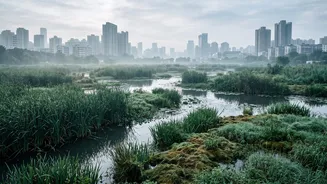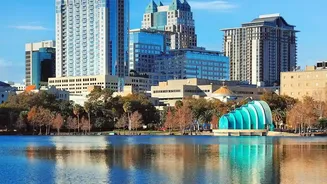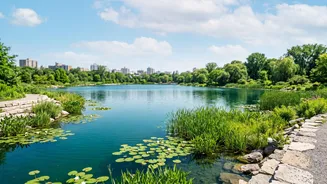



It’s a paradox familiar to every Indian city dweller: devastating floods during the monsoon, followed by severe water shortages in the summer. The key to breaking this cycle might be hiding in plain sight, in our rapidly vanishing lakes.
The Fading Blue Dots on Our Maps
Across India,
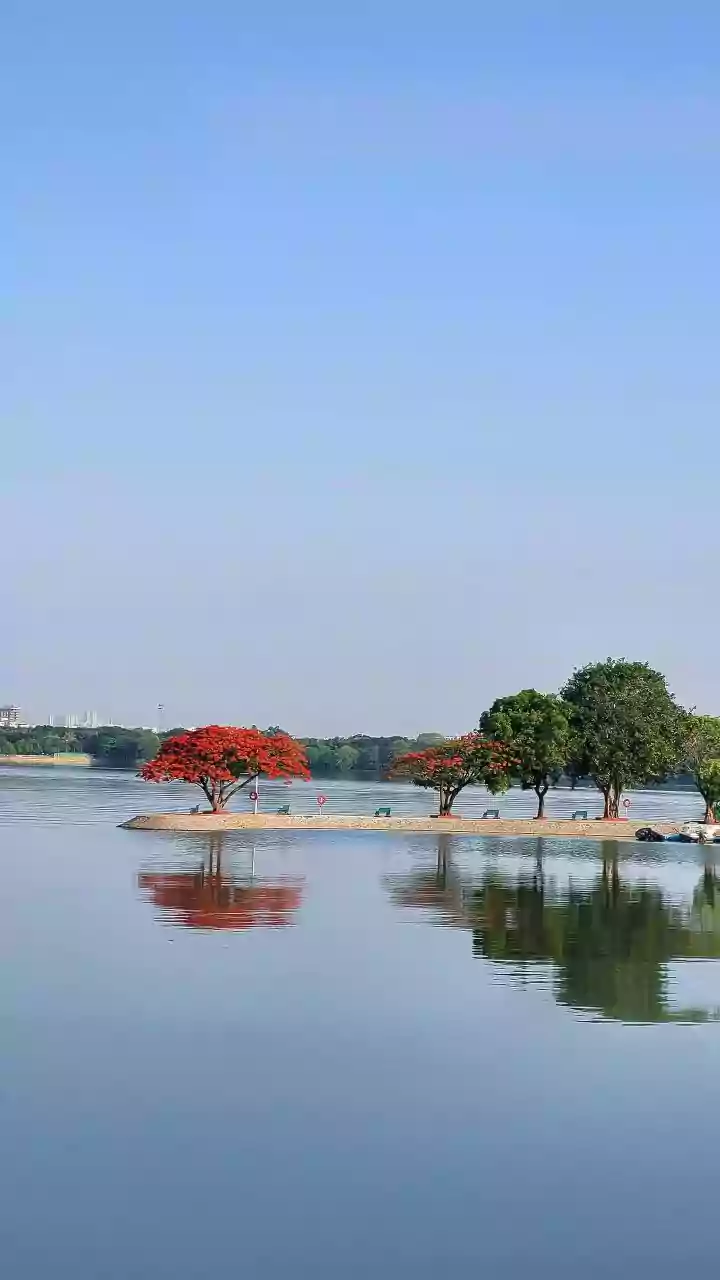
a quiet crisis is unfolding. The blue spots that once dotted the maps of our cities are disappearing at an alarming rate. Bengaluru, the 'City of Lakes', has seen its water bodies shrink dramatically; from over 260 in the 1960s, only a handful of healthy lakes remain today. Similarly, Hyderabad has lost hundreds of its historic lakes and tanks to construction, with many now officially untraceable. Chennai has lost nearly 150 water bodies to urbanization. This isn't just a cosmetic change to the landscape. These lakes, ponds, and wetlands are vital pieces of urban infrastructure, and their disappearance is directly linked to the water woes plaguing our metropolises. The culprits are well-known: rampant and unplanned real estate development, illegal encroachment, and the use of these vital commons as dumping grounds for garbage and sewage.
Nature's Free Water Tank and Flood Barrier
Urban water bodies perform two critical functions that no man-made system can replicate as effectively or cheaply. Firstly, they act as natural sponges. During heavy monsoon downpours, they absorb massive volumes of rainwater, reducing the burden on overstretched storm-water drains and preventing streets from turning into canals. The devastating floods in Chennai in 2015 and Hyderabad in 2020 were significantly worsened by the loss of wetlands that would have naturally absorbed the excess water. Secondly, they are our cities' primary tools for groundwater recharge. The water they hold slowly seeps into the ground, replenishing the aquifers that millions of us depend on for daily water supply. When a lake is paved over, this natural recharging process stops, forcing cities to dig deeper for water or transport it from hundreds of kilometres away, as Chennai had to do during its 'Day Zero' crisis in 2019.
When Concrete Replaces Water
The root of the problem lies in how we build our cities. Unchecked urbanisation replaces permeable soil with impermeable concrete and asphalt. This creates a seal over the land, preventing rainwater from being absorbed into the ground. Instead of recharging aquifers, precious rainwater becomes surface runoff, overwhelming drainage systems and causing floods. Studies show that as the paved area in a city increases, the magnitude of urban floods rises dramatically. This transformation of the urban landscape has turned our cities from absorbent sponges into hard, non-porous shells. Historically, traditional water bodies were central to city planning, but they are now often viewed as obstacles to development or simply as wasteland to be built upon.
The 'Sponge City' Solution
There is, however, a growing movement to reverse this trend by reimagining urban design. The 'Sponge City' concept offers a forward-thinking alternative. Pioneered in China and drawing inspiration from traditional water harvesting systems, this approach aims to make cities work with water, not against it. A sponge city uses a network of natural and semi-natural spaces—revived lakes, constructed wetlands, green roofs, permeable pavements, and rain gardens—to absorb, clean, and store rainwater. This 'blue-green infrastructure' helps manage floods, recharge groundwater, cool the urban environment, and create valuable public recreational spaces. Initiatives like the Jal Shakti Abhiyan and AMRUT 2.0 Mission are beginning to prioritise the rejuvenation of urban water bodies, signalling a crucial policy shift.