






The Tale of a 'Weak' Monsoon
When the India Meteorological Department (IMD) or other weather agencies label a monsoon as 'weak' or 'below-normal', they are referring to the cumulative rainfall over the entire four-month season from June to September. This is a measure of total volume.
For 2026, forecasts indicated that seasonal rainfall would likely be below the Long Period Average (LPA), suggesting less water overall for the country. This deficit is often driven by large-scale climate phenomena like El Niño, which can weaken the moisture-carrying monsoon winds. A weak monsoon traditionally raises fears of drought, agricultural distress, and water shortages in reservoirs, as it means fewer rainy days and a lower total accumulation of water over the season.
The Fury of Extreme Rain Events
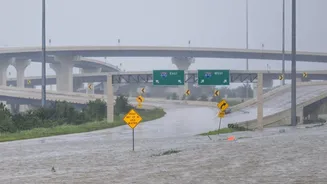
Contrary to the image of a weak monsoon, many regions have been experiencing the opposite problem: sudden, intense deluges. Recent days have seen heavy to very heavy rainfall warnings for states like Uttar Pradesh, Bihar, and Uttarakhand. These are not the gentle, steady showers of a classic monsoon. Instead, they are short, powerful bursts that dump a massive amount of rain in just a few hours. This phenomenon, often described as a 'rain bomb', overwhelms urban infrastructure in minutes. Cities like Delhi, Mumbai, and Bengaluru have repeatedly found their drainage systems, many of which are old and poorly maintained, incapable of handling such a high volume of water at once, leading to immediate and severe flooding.
Unpacking the Climate Paradox
So, how can the monsoon be both weak overall and intensely powerful in short bursts? The answer lies in climate change. Global warming allows the atmosphere to hold more moisture. This means that when conditions are right for rain, the downpours are far more intense than they used to be. At the same time, overall monsoon circulation can weaken, leading to longer dry spells between these intense rain events. This results in a pattern of fewer rainy days but more extreme rainfall on the days it does rain. Scientists have observed this trend for years: a decrease in moderate rainfall and an increase in the frequency of very heavy and extremely heavy rainfall events, disrupting the predictable rhythm that agriculture and cities depend on.
When Infrastructure Can't Keep Up
This new rainfall pattern is a nightmare for urban India. City drainage systems were largely designed for a different era of monsoon, one with more consistent, moderate rain. They are simply not equipped to funnel away the water from today's high-intensity bursts. The problem is made worse by rampant, often unplanned, urbanisation. The disappearance of natural sponges like wetlands and lakes, combined with the proliferation of concrete surfaces, means rainwater has nowhere to go but into the streets. Blocked drains, clogged with solid waste and plastic, further reduce the system's capacity, turning even moderate downpours into localized floods.
A Dangerous New Normal
The consensus among climate scientists is that this is not a freak year but a glimpse into the future. The trend of a more erratic and volatile monsoon, marked by long dry periods punctuated by destructive deluges, is expected to intensify. This poses a dual challenge for India: managing both water scarcity due to a lower overall rainfall total and destructive floods from extreme events. It disrupts agriculture, threatens urban safety, and puts immense strain on disaster management systems. Recent flood events in states like Bihar and Uttar Pradesh, which have displaced hundreds of thousands, underscore the devastating human cost of this new reality.