





The Dream vs. The Downpour
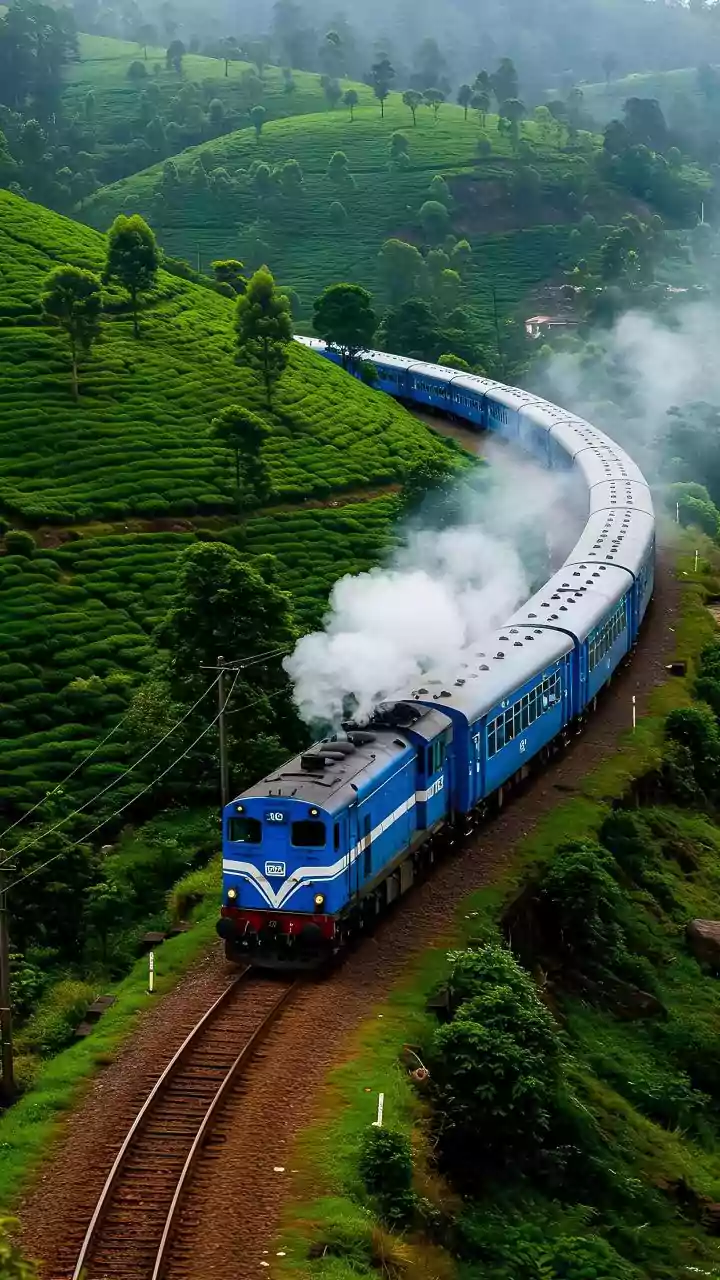
The monsoon transforms India into a lush, green paradise, making destinations like Munnar, Coorg, and Lonavala incredibly alluring. The promise of misty mornings, overflowing waterfalls, and cozying up with a hot cup of tea is a powerful pull for any
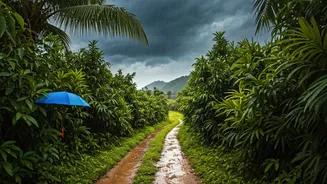
traveller. However, the reality of last-minute travel during this season can be less than romantic. What your Instagram-fuelled fantasy doesn't show you are the potential logistical nightmares: blocked roads, cancelled trains, and the very real dangers that come with heavy, unpredictable rainfall. Spontaneity is wonderful, but during the monsoon, it must be paired with serious preparation.
The Perilous State of Our Roads
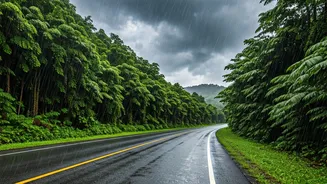
Road trips are a quintessential monsoon experience, but they also carry the highest risk. Heavy rainfall leads to waterlogged highways, reduced visibility, and dangerously slippery conditions. Hilly and mountainous regions, particularly popular tourist spots in Himalayas and Western Ghats, are prone to landslides and mudslides. Recent incidents in June 2026 have already caused significant disruptions, with heavy rains in Meghalaya triggering landslides that completely cut off the main road to the tourist hub of Dawki. The India Meteorological Department (IMD) regularly issues warnings for such areas, advising travellers to avoid these routes. A journey that should take a few hours can turn into a day-long ordeal, or worse, leave you stranded.
When Flights and Trains Don't Cooperate
Don't assume that air or rail travel will be a seamless alternative. Monsoon weather is a leading cause of flight delays and cancellations across the country. Heavy crosswinds and poor visibility can ground aircraft for hours. Similarly, the Indian Railways often operates on a revised monsoon timetable, especially on vulnerable routes like the Konkan Railway, with trains running at slower speeds to ensure safety, leading to significant delays. Flooding on tracks can bring services to a complete halt. For a last-minute trip, these disruptions can unravel your entire itinerary before it even begins, turning a quick getaway into a long, frustrating wait.
Health Risks Beyond the Common Cold
The monsoon is a prime breeding season for mosquitoes and water-borne pathogens. The risk of contracting diseases like malaria, dengue, and chikungunya increases significantly due to stagnant water. Contaminated water and food can lead to serious gastrointestinal infections, typhoid, and jaundice. While it's tempting to enjoy street-side pakoras, hygiene can be a major concern during this season. Staying in damp clothes can also lead to fungal infections. A spontaneous trip can quickly lose its charm if it ends with a visit to the doctor, so packing a first-aid kit with insect repellent and basic medicines is non-negotiable.
How to Be Spontaneous, but Smart
If you're still determined to make that trip, a little planning can mitigate the risks. First, choose your destination wisely. Instead of landslide-prone hills, consider places in drier, rain-shadow regions or destinations known for being safe during the monsoon, like Orchha in Madhya Pradesh or parts of Rajasthan like Mount Abu. Always check the latest IMD weather forecasts before and during your trip. Pack waterproof bags for your electronics, quick-drying synthetic clothes, and sturdy, non-slip footwear. Keep your itinerary flexible, have backup plans, and inform someone of your whereabouts. Booking a hotel with reliable power backup is also crucial, as outages are common.