





The Great Equaliser on the Floor
Step into any Gurdwara, from a small village in Punjab to a bustling city centre abroad, and you will find the langar, or community kitchen. [2, 10] Here, the principles of Sikhism—selfless service (seva) and equality—are not just preached, but practiced.
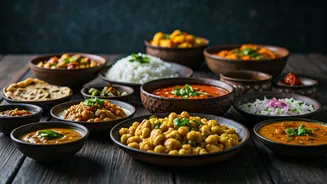
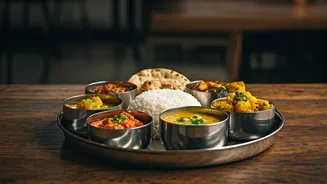
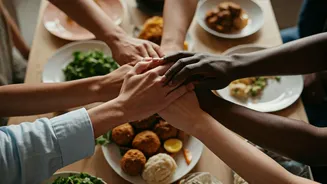
[9] Everyone, regardless of their faith, caste, or economic status, removes their shoes, covers their head, and sits on the floor in neat rows called 'pangat'. [11, 10] Volunteers, known as 'sevadars', serve a simple, vegetarian meal, often consisting of dal, sabzi, roti, and rice. [9, 11] The act of sitting together, at the same level, sharing the same food, is a radical statement of equality. [9] A millionaire sits beside a labourer, a Hindu beside a Muslim, all partaking in a meal prepared and served with humility. [10] This tradition, started by Guru Nanak in the 15th century to challenge the rigid caste system, continues to be a powerful symbol of oneness, feeding millions daily and proving that true community is built on shared bread and shared dignity. [9, 12]
A Feast of Unity on a Banana Leaf
In Kerala, the harvest festival of Onam culminates in a spectacular vegetarian feast called the Onam Sadya. [5] Served on a fresh banana leaf, this elaborate meal can feature over 26 different dishes, each with its designated spot on the leaf. [5, 13] The Sadya is a celebration of abundance and gratitude, honouring the mythical King Mahabali, whose reign is remembered as a golden age of equality and prosperity. [5, 16] But beyond its culinary splendour, the Sadya is a powerful social event. [8] Families and entire communities come together to prepare and share the meal. [8, 16] In homes, community halls, and even temples, people sit in rows, and the meal is served to all, creating a sense of shared joy and erasing social hierarchies. [14] This communal dining is not just about eating; it's about reinforcing connections and celebrating a shared cultural heritage where everyone is equal before the feast. [14]
Breaking Bread Under the Crescent Moon
During the holy month of Ramadan, the evening meal of Iftar, which breaks the day-long fast, becomes a powerful symbol of community and charity. While deeply rooted in Islamic tradition, in India, Iftar often transcends religious lines, becoming a beautiful expression of interfaith harmony. [18] Many mosques and individuals host open Iftar gatherings, inviting people from all faiths to join them. [18, 19] In cities like Bengaluru and Chennai, Gurdwaras and even Hindu temples have been known to host or prepare Iftar meals for their Muslim neighbours, reinforcing decades-old bonds of solidarity. [17, 18] Sharing dates, fruits, and savoury dishes as the sun sets is an act that builds bridges. [21] These gatherings are not just about food; they are about fostering mutual respect, dispelling misconceptions, and reaffirming a shared humanity that is often tested but proves resilient. [19, 20]
The Daily Rituals That Bind
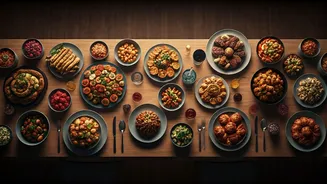
It isn't just on festive occasions that food works its unifying magic. The concept of the 'dastarkhwan', a cloth spread on the floor for a communal meal, is a testament to shared dining in many South Asian homes, especially during large gatherings where tables fall short. [3, 6] This tradition fosters a unique intimacy, where people gather closely, sharing dishes and conversations. [6] Think of the everyday office lunch, where colleagues open their tiffins and share a multitude of regional cuisines, creating a microcosm of India on a single table. Consider the street food vendor, around whom people from every walk of life—students, executives, labourers—stand shoulder-to-shoulder, united in their love for a plate of chaat or a hot vada pav. [26] These small, daily rituals are constant reminders that sharing food is one of India's most ingrained social instincts, a simple act that continuously reinforces our collective identity. [22]