





An Immunity Shield for Rainy Days
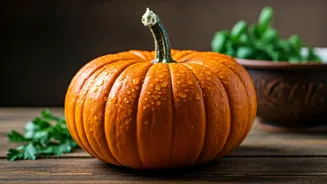
The monsoon brings relief from the heat, but it also ushers in a season of coughs, colds, and viral fevers. This is where pumpkin steps in as a quiet guardian. It is exceptionally rich in beta-carotene, which our body converts into Vitamin A. This essential
vitamin is crucial for maintaining the integrity of our respiratory system, skin, and gut linings — our body’s first line of defence against germs. A strong barrier means fewer chances for pesky pathogens to take hold. Furthermore, pumpkin is a good source of Vitamin C, the well-known immunity-boosting antioxidant that helps our body produce infection-fighting white blood cells. A simple bowl of pumpkin soup can be more than just comfort food; it's a shield.
A Soothing Balm for Digestion
Our digestive system often becomes sluggish during the monsoon. The high humidity can slow down our metabolic rate, leading to feelings of bloating, indigestion, and general discomfort. Pumpkin is a fantastic remedy for this. Firstly, it’s loaded with dietary fibre, which is essential for maintaining regular bowel movements and a healthy gut microbiome. Secondly, it is over 90% water. This combination of fibre and water helps add bulk and softness to stool, preventing constipation and keeping your digestive tract moving smoothly. Unlike heavy, fried snacks that can tax your system, pumpkin is incredibly easy to digest, making it a gentle and soothing choice for your monsoon meals.
For That Natural Monsoon Glow
The damp, humid weather can be tough on our skin, leading to everything from acne breakouts to fungal infections and a generally dull appearance. Pumpkin's rich reserves of antioxidants, including beta-carotene, Vitamin C, and Vitamin E, work together to protect your skin. These compounds fight off free radicals, which can cause cellular damage and premature ageing. Beta-carotene, in particular, lends the skin a healthy, natural glow from within. Its anti-inflammatory properties can also help soothe irritated skin. So, while you might be slathering on external products, adding pumpkin to your diet provides nourishment and protection from the inside out.
Wisdom from Ayurveda
Traditional Indian wisdom has long celebrated seasonal eating, and Ayurveda regards pumpkin (known as Kushmanda) with high esteem, especially during the rains. It is considered to be a 'tridoshic' vegetable, meaning it helps balance all three doshas (Vata, Pitta, and Kapha), although it's particularly good for calming Pitta. Its properties are described as sweet, cooling, and grounding, which helps counteract the dampness and digestive sluggishness associated with the monsoon. It's seen as a food that nourishes the body without being heavy, providing energy and clarity. This ancient knowledge perfectly complements what modern science tells us about the vegetable's nutritional profile.
Beyond the Everyday Sabzi
While a classic khatta meetha kaddu ki sabzi is a delight, don't let your pumpkin journey end there. This versatile vegetable can be the star of many dishes. Try roasting cubes of pumpkin with a sprinkle of salt, pepper, and a hint of cinnamon for a healthy, delicious snack. Blend it into a velvety soup with ginger and coconut milk for a truly comforting meal. You can even add pumpkin puree to your chapati dough for softer, more nutritious rotis, or blend it into a morning smoothie with banana and yogurt. Its subtle sweetness also makes it a wonderful ingredient in healthy desserts like pumpkin halwa or baked goods. Experimenting is the key to falling in love with this monsoon hero all over again.