





The Race Against Time
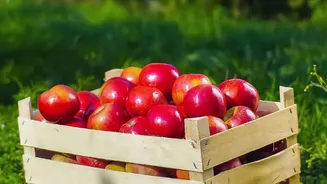
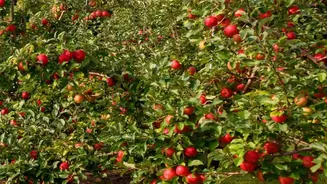
The Kashmir Valley produces over 70% of India's apples, with the horticultural sector forming the backbone of the regional economy. However, for decades, apple growers were caught in a difficult cycle. Once harvested, apples are perishable. Without adequate
storage, farmers faced immense pressure to sell their produce immediately. This annual rush flooded the market during the peak harvest season, causing prices to plummet and forcing orchardists into distress sales at throwaway prices, often to middlemen who would later profit. Events like weather-related highway closures could be catastrophic, leaving trucks stranded and causing crores in losses as the fruit rotted before it could reach markets. Studies have shown that post-harvest losses in the region have been staggering, significantly cutting into the earnings of the very farmers who are the foundation of this industry.
A Game-Changer: Controlled Atmosphere Storage
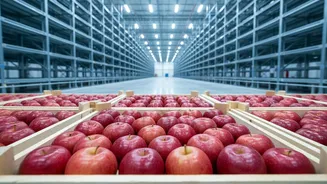
The arrival of modern Controlled Atmosphere (CA) storage facilities has been a true game-changer. Unlike conventional cold storage, CA technology does much more than just cool the fruit. These advanced units create a carefully managed environment where temperature, humidity, and the levels of oxygen, carbon dioxide, and nitrogen are precisely controlled. By dramatically slowing the apple's natural ripening and respiration process, CA stores can extend the fruit's shelf life from a few weeks to several months, sometimes up to a year. This technology allows A-grade apples to be preserved in prime condition long after the harvest season ends, retaining their crispness, flavour, and market value.
Empowering Farmers and Boosting Incomes
The most significant impact of this infrastructure is the economic empowerment it provides to growers. With access to CA storage, farmers are no longer at the mercy of the seasonal price slump. They can store their high-quality produce and choose to sell it during the off-season, from March onwards, when demand is high and prices are significantly better. According to reports, growers who use these facilities have been able to double their returns for a box of apples compared to selling during the harvest glut. This newfound ability to hold onto their stock gives them greater bargaining power, reduces their dependence on intermediaries, and ultimately leads to higher, more stable incomes. As one farmer noted, cold storage has been a blessing that has saved them from what would have otherwise been devastating losses.
Strengthening the Valley's Economy
The benefits extend beyond individual farms to the entire regional economy. The government has actively supported the establishment of these facilities, offering significant subsidies to entrepreneurs under schemes like the Mission for Integrated Development of Horticulture (MIDH). This has spurred private investment and created a robust network of cold stores, particularly in the apple-rich districts of South Kashmir like Pulwama and Shopian. These facilities not only protect the apple harvest but also generate local employment. By ensuring a steady, year-round supply of high-quality Kashmiri apples to national markets, the cold chain infrastructure strengthens the brand, enhances food security, and adds stability to a sector that supports an estimated 3.5 million people in the region.
The Road Ahead
While the progress is undeniable, challenges remain. The current storage capacity, though growing, is still considered insufficient to handle the entire A-grade crop, and most facilities are concentrated in just a few districts. Experts believe the valley needs to continue expanding its cold-chain network, including setting up more pack houses, pre-cooling units, and refrigerated transport to create a seamless farm-to-market chain. Furthermore, issues like inconsistent electricity supply in rural areas and ensuring small-scale farmers can access these facilities need to be addressed. There is also a growing need to focus on fruit quality, as only high-grade produce is suitable for long-term CA storage, a factor that has impacted some growers' returns. Despite these hurdles, the expansion of cold storage marks a pivotal step forward.