





The Ayurvedic Rationale: A Weakened 'Agni'
The advice to peel fruits during the rainy season, or *Varsha Ritu*, is deeply rooted in Ayurvedic principles. According to Ayurveda, the monsoon is a time when the body's digestive fire, known as *agni*, is naturally at its weakest. The damp, cool environment
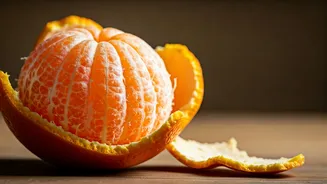
is believed to aggravate the *Vata* and *Pitta* doshas, leading to sluggish digestion, bloating, and increased susceptibility to infections. In this state, the body struggles to break down heavy and raw foods. Fruit peels, which are high in fibre, can be particularly hard to digest for a compromised gut. Furthermore, traditional wisdom holds that the peel is the part most exposed to environmental contaminants, which are more prevalent during the damp monsoon months. Peeling the fruit is seen as a way to lighten the load on your digestive system and reduce the risk of consuming harmful microbes.
Modern Science Weighs In: The Contamination Risk
Modern nutritional science and food safety guidelines lend significant weight to this age-old advice. The monsoon season’s high humidity and intermittent water-logging create a perfect breeding ground for bacteria, fungi, and mould. Fruits, especially those sold in open-air markets, are exposed to this environment. Their surfaces can easily become contaminated with microbes from dirty water, soil, and improper handling. While washing fruits is always essential, it may not be enough to eliminate all pathogens, some of which can adhere strongly to the peel's waxy or rough texture. Peeling provides an effective physical barrier, removing the most contaminated layer of the fruit. This simple step can significantly lower your risk of contracting water-borne and food-borne illnesses like diarrhoea, cholera, and typhoid, which see a spike during the rainy season.
So, Which Fruits Should You Peel?
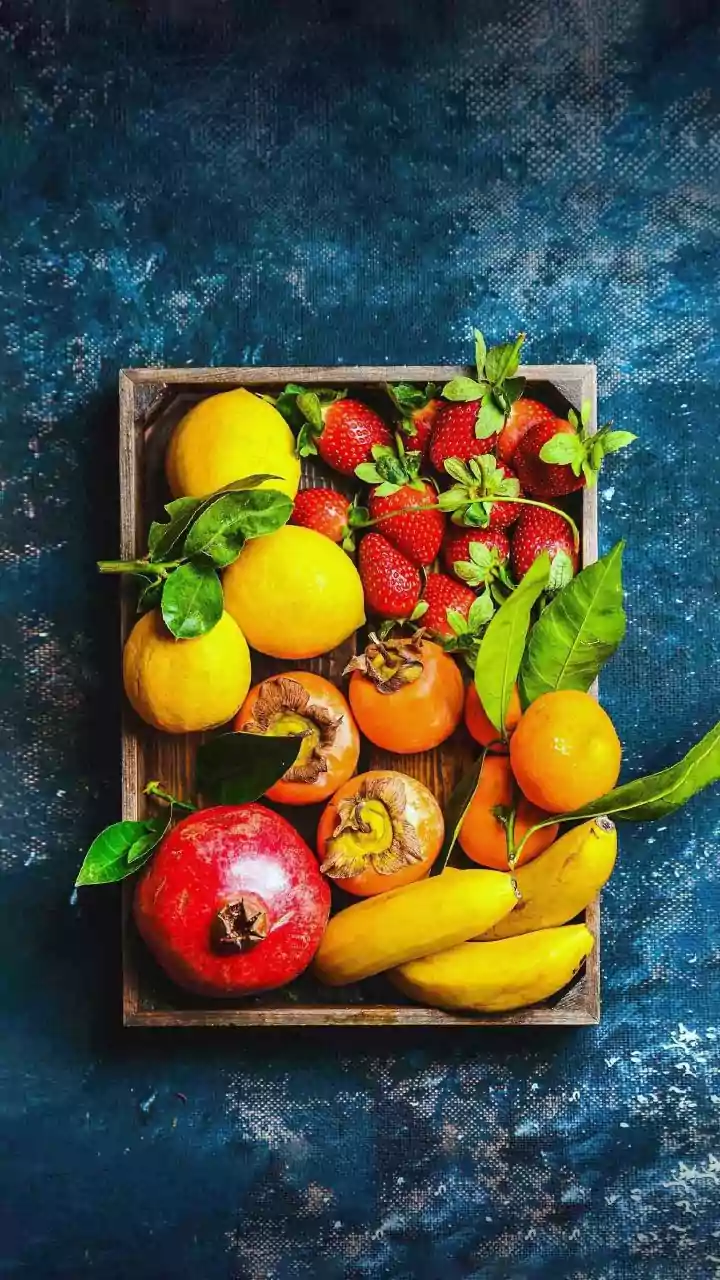
While the principle is sound, it doesn't mean you must peel every single fruit. The key is to be selective. Fruits with thick, inedible peels like bananas, pomegranates, and melons should obviously be peeled. The real focus is on fruits where we typically eat the skin, such as apples, pears, guavas, and plums. During the monsoon, it's wisest to peel these. Apples, for instance, are often coated with wax to extend shelf life, which can trap dirt and microbes. While the peel contains valuable nutrients, the health risk from potential contaminants during this specific season outweighs the benefits. For soft-skinned fruits like berries or grapes, which are impossible to peel, extra diligence is required. It is often recommended to soak them in a solution of water with a bit of vinegar or baking soda before rinsing them thoroughly under running water. Some experts even suggest limiting the intake of such fruits during peak monsoon.
More Than Just Peeling: A Monsoon Fruit Guide
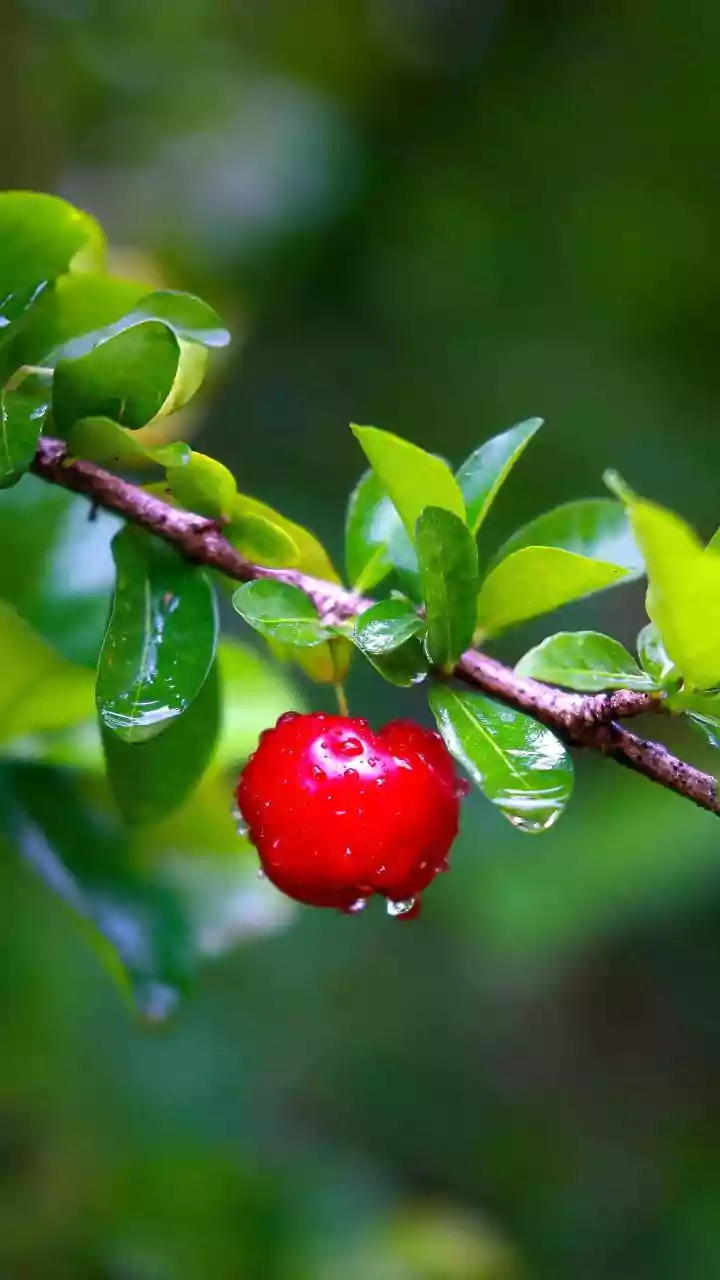
Safeguarding your health this season goes beyond just peeling. The best strategy is to focus on seasonal monsoon fruits, as they are fresher and have a higher nutrient content. Opt for fruits like jamun, peaches, cherries, pomegranates, and pears. These are not only delicious but also packed with antioxidants and vitamins that help boost immunity. Always wash your hands before handling fruits. Wash the fruit itself thoroughly under clean, running water, even if you plan to peel it. This prevents transferring contaminants from the peel to the flesh as you cut it. Avoid buying pre-cut fruits from street vendors, as the risk of contamination is extremely high. Instead, cut your fruits at home just before you plan to eat them to minimise exposure to the air and potential pathogens.