

Why Hydroponics Beats the Monsoon Gloom
Hydroponics is a method of growing plants without soil, using a water-based nutrient solution. For apartment dwellers in India, it’s a game-changer. It eliminates soil-borne pests and the mess of traditional pots, making it perfect for clean, indoor gardening.
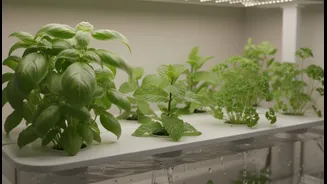
During the monsoon, when balconies are waterlogged and sunlight is a distant memory, a hydroponic system allows you to control the environment completely. You provide the perfect blend of water, nutrients, and, crucially, light, ensuring a thriving herb garden no matter the weather outside.
Choosing Your Beginner-Friendly System
For beginners, the options can seem overwhelming, but two simple systems are perfect for a small indoor setup. The Kratky method is the easiest, involving a container with a nutrient solution and a lid to hold the plants. As the plants grow, the water level drops, creating an essential air gap for the roots. It's a passive, 'set-it-and-forget-it' system with no pumps or electricity required. A Deep Water Culture (DWC) system is a step up. It uses an air pump and air stone to continuously oxygenate the nutrient solution, which can lead to faster, more vigorous growth. Both are compact enough for a kitchen counter or shelf and can be made from simple materials like food-grade buckets or even large jars.
Select Your Gourmet Herbs
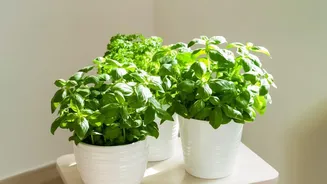
Not all herbs are created equal, but many culinary favourites thrive in hydroponics. Basil is a star performer, growing quickly and providing aromatic leaves for weeks. Mint is famously aggressive and grows explosively in a water-based system, so it's best to give it its own container. Other excellent choices include chives, parsley, oregano, and thyme. These herbs are relatively compact and respond well to the frequent harvesting that an indoor garden encourages. Start with one or two types to get a feel for the process before turning your home into a full-blown herb jungle.
The Secret Weapon: Grow Lights
This is the key to conquering low-light monsoon days. While a sunny windowsill might work at other times of the year, it’s not reliable during the rains. Full-spectrum LED grow lights are your best friend. They are energy-efficient, produce little heat, and provide the specific blue and red light wavelengths that plants need for healthy growth. You don't need a powerful, expensive commercial light; simple LED bulbs or strips designed for plants are sufficient for a small herb setup. Aim to give your herbs 12 to 16 hours of light per day, using a simple timer to automate the schedule. Position the lights 12 to 18 inches above the plants for best results.
Nutrients and Water: Plant Superfoods
Without soil, your plants rely entirely on you for food. Thankfully, this is easier than it sounds. Pre-mixed, two-part (A & B) hydroponic nutrient solutions are readily available and contain all the essential macro and micronutrients your herbs need. Simply follow the instructions on the package to mix the concentrates with water. It's also vital to monitor the pH of your solution, which affects how well plants absorb these nutrients. The ideal range for most herbs is between 5.5 and 6.5. Inexpensive pH testing kits or digital pens make this a quick and easy check.
Harvesting and Ongoing Care
One of the greatest joys of a hydroponic herb garden is the continuous harvest. Once your plants are established (usually in 3-5 weeks), you can start snipping leaves as needed. Regular harvesting actually encourages bushier, more productive growth. For herbs like basil and mint, pinch off the top sets of leaves to promote outward branching. For chives, trim the blades down to about two inches from the base. Check your water and nutrient levels weekly, topping up as needed. In a DWC system, ensure the air pump is running smoothly. With a clean, controlled environment, pests are rare, making your harvest fresh and ready for the kitchen.