








Why Your Gut Loves Variety
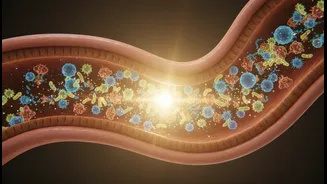
Your gut is home to trillions of microorganisms, collectively known as your microbiome. Think of it as a complex internal garden. Just as a garden thrives with a diverse range of plants, your gut health improves when it has a wide variety of bacterial
species. A diverse microbiome is linked to a stronger immune system, better metabolic health, and even reduced risk of chronic diseases. The problem is, many of us fall into the habit of eating the same handful of 'safe' or 'healthy' foods every day. While that morning smoothie or chicken salad is nutritious, a monotonous diet can starve entire families of beneficial bacteria that are waiting for different kinds of fuel. Each type of bacteria has its own dietary preferences, particularly when it comes to fiber. When you rotate your foods, you provide a wider range of nutrients and fibres, feeding a greater diversity of microbes and helping them flourish.
The Rotation Principle Explained
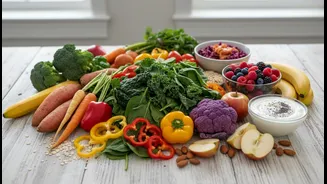
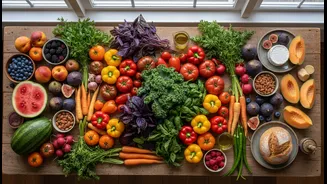
Food rotation is the simple practice of consciously varying the foods you eat throughout the week, rather than defaulting to the same meals daily. The concept is borrowed from agriculture, where rotating crops helps restore soil fertility. In nutritional terms, it’s often called 'dietary diversity'. This isn't about a restrictive diet; it's about expansion. The goal is to avoid over-exposing your system to the same food proteins every single day and to ensure a broader spectrum of vitamins, minerals, and plant compounds called phytonutrients. Different-colored fruits and vegetables, for instance, contain different phytonutrients, so eating the rainbow is a core part of this strategy. Research suggests that people who eat 30 or more different types of plant-based foods per week have a more diverse microbiome than those who eat 10 or fewer. This number isn't a strict rule but a helpful guide to encourage variety. Herbs, spices, nuts, and seeds all count toward this goal.
Building Your Weekly Rotation Plan
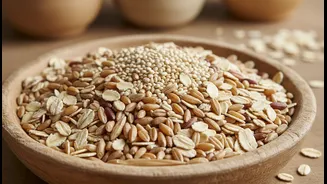
Implementing a rotation diet doesn't have to be complicated. The key is to start small and make gradual changes. A simple strategy is to assign a theme to each day or food group. For example, instead of eating almonds every day, try rotating through different nuts and seeds over four days: pistachios and flax seeds on day one, cashews on day two, walnuts and pumpkin seeds on day three, and sunflower seeds on day four. Apply this same logic to other food groups. If you always use spinach as your salad base, try swapping it for rocket, kale, or mixed greens. Instead of always reaching for chicken, rotate through fish, lentils, tofu, and eggs as your protein sources. A practical way to start is by trying one or two new recipes each week that use ingredients you don't typically buy. Another easy win is to eat with the seasons, which naturally forces variety into your diet as different produce becomes available.
Fibre: The Fuel for Your Gut
The single most important element in a gut-friendly rotation is fibre diversity. There are two main types of fibre—soluble and insoluble—and your gut needs both. Soluble fibre, found in foods like oats, apples, and beans, dissolves in water to form a gel, which can help stabilise blood sugar and feeds beneficial bacteria. Insoluble fibre, found in whole grains and vegetables like cauliflower and potatoes, adds bulk to stool and helps keep you regular. Different microbes feed on different types of fibre. For example, the fibre in oats (beta-glucan) feeds different bacteria than the pectin found in apples or the resistant starch in a slightly green banana. By rotating through a wide array of vegetables, fruits, whole grains, and legumes, you ensure that you're providing a diverse buffet for your entire microbial community, leading to the production of beneficial compounds like short-chain fatty acids (SCFAs), which reduce inflammation and support the gut lining.
Start Slow and Listen to Your Body
While the benefits are clear, suddenly introducing a massive amount of new foods and fibres can sometimes lead to temporary digestive discomfort like bloating or gas. The key is gradual integration. Aim to add just one or two new plant foods to your diet each week. This allows your digestive system and your microbiome time to adjust. Pay attention to how you feel. A rotation diet can be an excellent tool for observing how different foods affect your energy levels, digestion, and overall well-being. The goal is not perfection but progress. Don't worry about rotating every single ingredient, especially things like cooking oils or spices, which are used in smaller amounts. Focus on the major components of your plate—proteins, vegetables, and complex carbohydrates. Over time, this conscious effort to diversify will become a natural habit.