


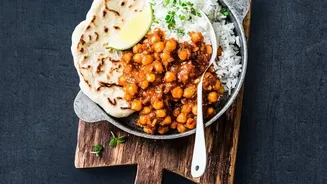
Swap White Rice for Millets
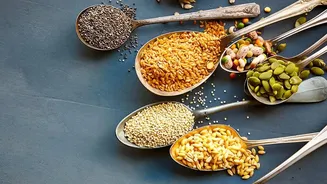
For generations, white rice has been a staple. However, with rising health consciousness, many are turning to ancient grains like millets (jowar, bajra, ragi). Millets offer significantly more dietary fibre, which aids digestion and promotes a feeling
of fullness. They are also richer in protein and essential minerals like iron and magnesium compared to polished white rice. Crucially, millets have a lower glycemic index, meaning they release sugar into the bloodstream more slowly, making them an excellent choice for managing blood sugar levels.
Swap Refined Sugar for Jaggery
The move away from empty calories has put white sugar under scrutiny. Jaggery (gur), an unrefined sweetener, is its traditional and increasingly popular replacement. Unlike refined sugar, which is pure sucrose, jaggery retains molasses, giving it a rich mineral profile that includes iron, potassium, and magnesium. While it is still a form of sugar and should be used in moderation, its complex carbohydrate structure means it is digested more slowly, preventing the sharp spikes in blood sugar associated with white sugar.
Swap Packaged Chips for Roasted Makhana
When the urge for a crunchy snack strikes, roasted makhana (fox nuts) are a far cleaner choice than deep-fried potato chips. Makhana is naturally low in fat and calories but rich in carbohydrates and has a modest protein content. It provides a satisfying crunch without the unhealthy fats, sodium, and preservatives common in packaged chips. Its high fibre content also helps in promoting satiety, making you feel full for longer.
Swap Vegetable Oils for Ghee or Cold-Pressed Oils
The choice of cooking fat is pivotal for clean eating. Many are swapping highly processed refined vegetable oils for traditional fats like ghee or minimally processed cold-pressed oils. Refined oils often undergo intense chemical processing, which can strip them of nutrients. Ghee, on the other hand, is a stable fat with a high smoke point, making it ideal for Indian high-heat cooking methods like tadka, as it doesn't break down into harmful compounds easily. It also contains fat-soluble vitamins and healthy fatty acids.
Swap White Bread for Whole Wheat or Multigrain Bread
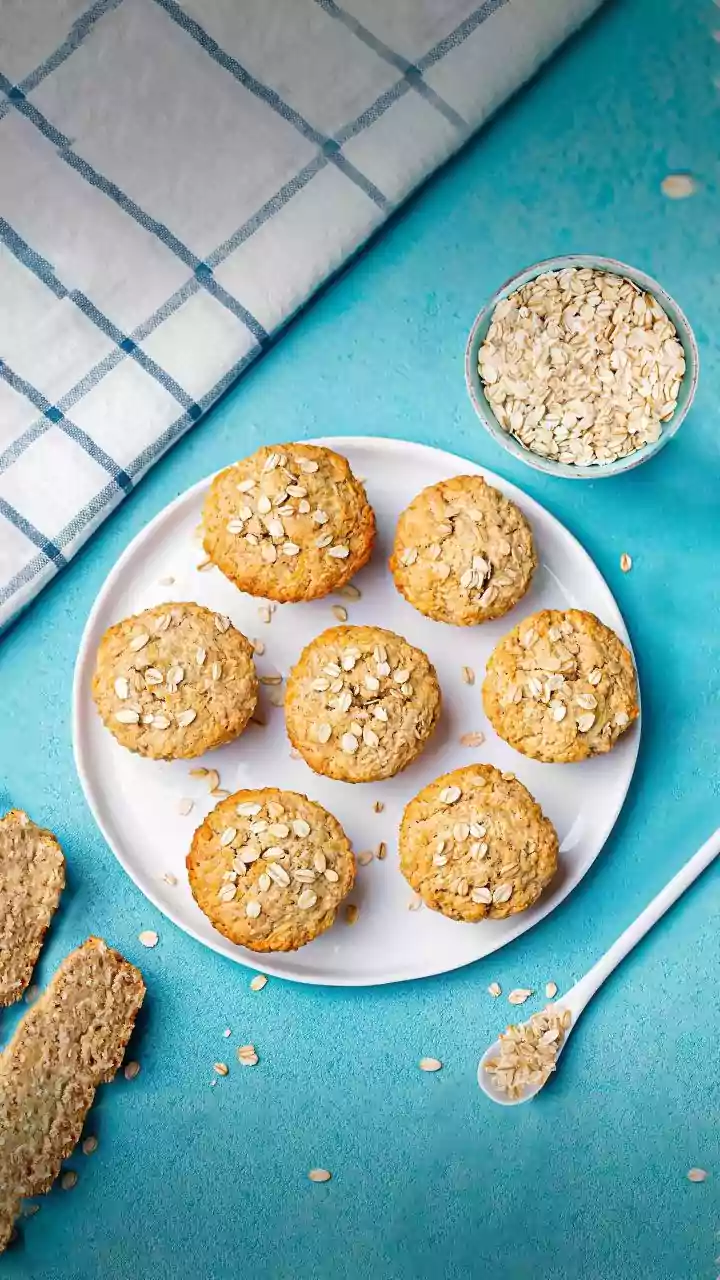
The fluffy white bread sandwich is getting a healthy makeover. Swapping it for whole wheat or multigrain bread is an easy way to boost fibre and nutrient intake. White bread is made from refined flour that has been stripped of its bran and germ, losing valuable nutrients in the process. Whole wheat bread retains these components, offering more fibre, protein, and essential vitamins. This simple switch supports better digestion, aids in weight management by keeping you fuller, and provides more sustained energy.
Swap Paneer for Tofu in Some Meals
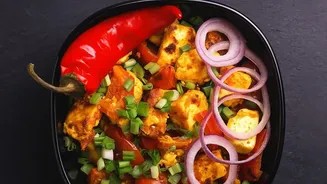
While paneer is a beloved and protein-rich part of the Indian diet, tofu offers a leaner alternative for those watching their calorie and fat intake. Tofu, made from soybeans, is significantly lower in calories and fat, particularly saturated fat, compared to paneer. Though paneer generally contains more protein per gram, tofu is a complete plant-based protein and is rich in iron. For those who are lactose intolerant or looking for a lighter protein source, tofu is an excellent swap.
Swap Sugary Drinks for Coconut Water or Chaas
Packaged juices and sugary sodas are major sources of empty calories and artificial ingredients. Natural alternatives like coconut water or buttermilk (chaas) are making a comeback. Coconut water is a natural isotonic drink, rich in electrolytes and potassium, making it excellent for hydration. Chaas is a traditional probiotic drink that aids digestion and cools the body, often with a hint of salt and spices instead of a load of sugar. Both are cleaner, more hydrating choices.
Swap Instant Noodles for Whole Wheat Noodles
Instant noodles, a quick comfort food, are typically made from refined flour (maida) and are deep-fried. A healthier, cleaner swap involves using whole wheat or millet-based noodles. These alternatives provide more fibre and nutrients than their refined counterparts. They can be prepared at home with fresh vegetables and lean protein sources like eggs or paneer, turning a convenience meal into a more wholesome and nutritious option without the artificial flavourings and high sodium content of typical instant noodle seasoning packets.
Swap Regular Atta for Protein-Enriched Atta
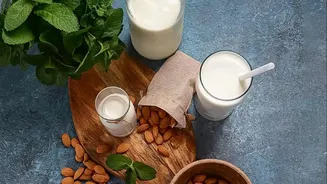
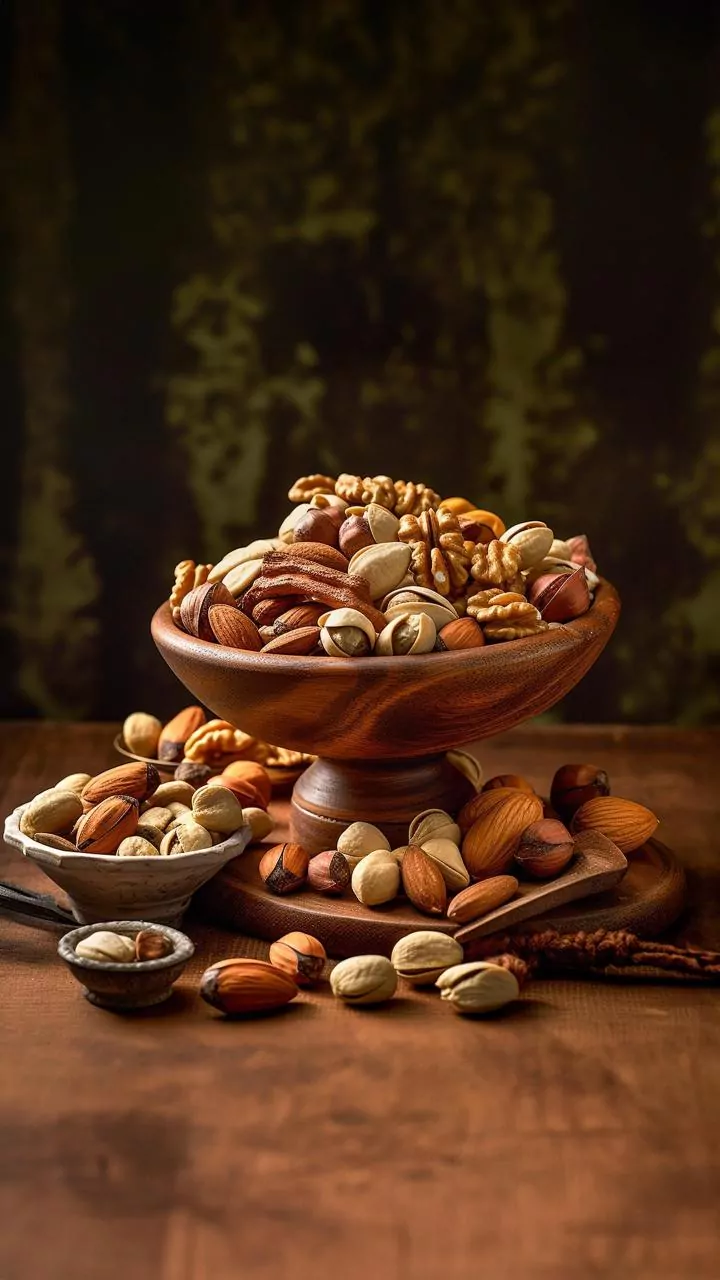
With protein deficiency being a widespread concern in India, even the humble roti is getting a protein boost. Many health-conscious households now mix their regular whole wheat atta with higher-protein flours like sattu (roasted gram flour), soya flour, or almond flour. This simple blend increases the protein content of each roti without drastically changing its taste or texture. It’s an effective strategy to help close the protein gap in vegetarian diets, which are often dominated by carbohydrates from cereals.
Swap Creamy Dips for Hung Curd or Hummus
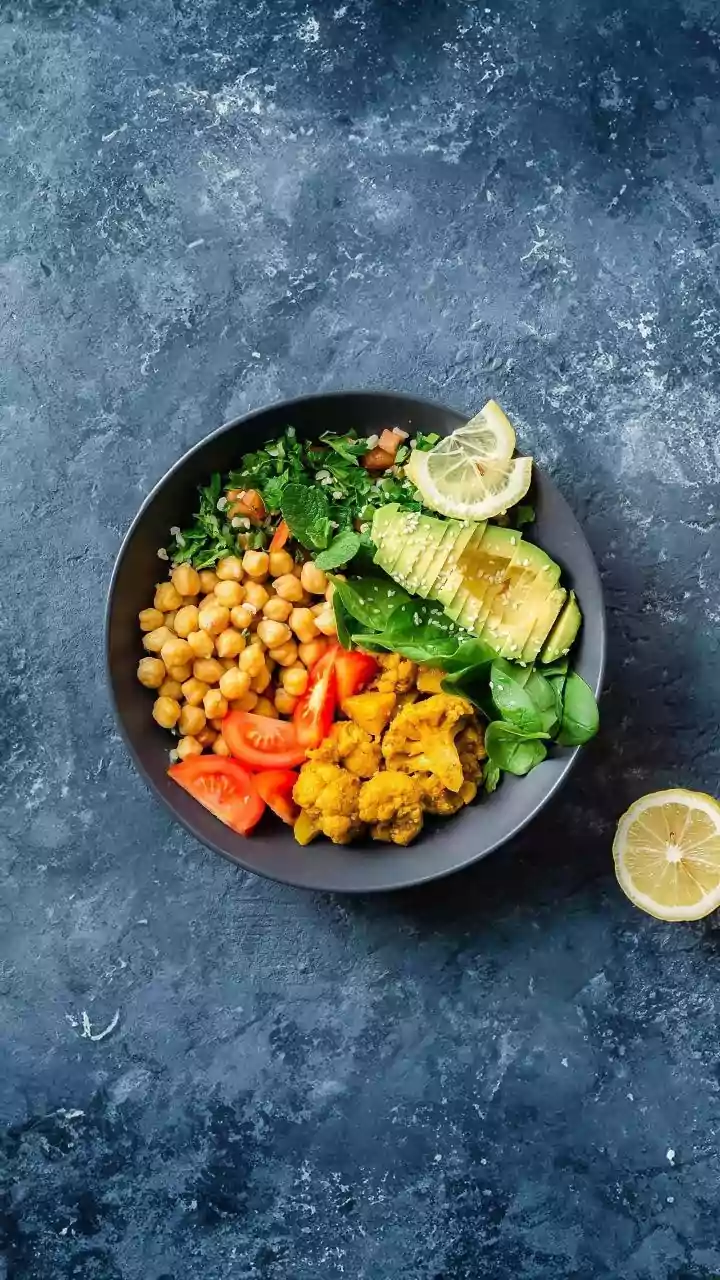
Dips and spreads that accompany snacks are often loaded with fat and preservatives. A clean and protein-rich alternative is to swap mayonnaise-based or cream-based dips for homemade hung curd (Greek yogurt) or hummus. Hung curd is thick, creamy, and a great source of protein. Hummus, made from chickpeas, provides both protein and fibre. Both can be easily flavoured with herbs and spices, offering a delicious and much healthier accompaniment to your vegetable sticks, chips, or sandwiches.