






A Different Kind of Gold
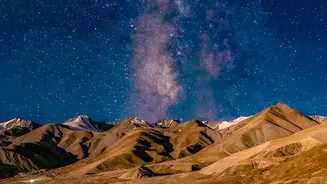
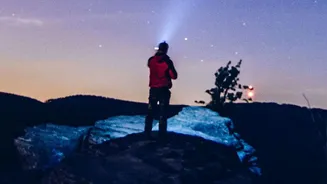
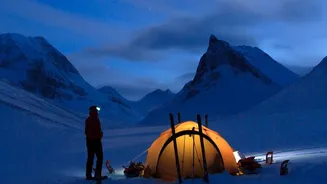
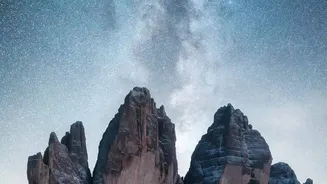
For generations, the clearest views of the Milky Way were a simple fact of life for communities in the high Himalayas. Today, that view is becoming a valuable asset. Astrotourism, or dark-sky tourism, is a growing global trend where travellers seek out
locations with minimal light pollution to experience the night sky in its full glory. High-altitude regions in India, such as Ladakh and parts of Uttarakhand, are naturally perfect for this, offering clear, dark skies that are increasingly rare. In places like Hanle in Ladakh, designated as India's first official Dark Sky Reserve in 2022, this natural advantage is being transformed into a structured opportunity. This isn't just about offering a pretty view; it's about creating a low-impact, high-value tourism model that can sustain remote economies.
Starlight, Start-ups, and Homestays
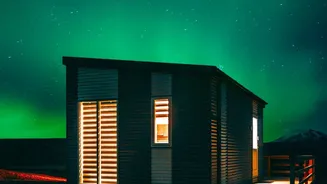
The most immediate benefit for these villages is economic. The influx of astro-tourists has catalysed a local entrepreneurial boom. The clearest example is the rise of homestays. In Hanle, the number of homestays has expanded significantly, providing a direct source of income for families. Visitor numbers surged from around 5,000 a year before the dark-sky designation to over 30,000, channeling revenue directly into the community. This model does more than just provide lodging; it creates a cascade of opportunities. Local residents are being trained as 'Astronomy Ambassadors' to guide tours and operate telescopes, turning local knowledge into a profession. This is particularly empowering for women, who make up a significant portion of these new guides and homestay owners. This diversification is crucial in areas traditionally reliant on pastoralism or agriculture.
Preserving a Heritage of Darkness
Beyond the economic gains, dark-sky tourism fosters a sense of pride and encourages conservation. To maintain their 'dark sky' status, communities must actively manage light pollution, using shielded lights and raising awareness about the issue. This aligns tourism with environmental preservation, creating a powerful incentive to protect the natural habitat. This model also helps preserve cultural heritage. Tourists engaging in astrotourism often seek authentic experiences, staying in local homes, eating traditional food, and learning about the region's customs. This creates a market for local crafts and traditions, helping to keep them alive. By making the pristine environment a core part of the economic value proposition, communities become its most dedicated guardians.
Challenges on the Horizon
The road ahead is not without its challenges. The very success of astrotourism can bring risks. Increased footfall puts a strain on fragile ecosystems and limited infrastructure, like roads and waste management. There is also the 'paradox of illumination'—the development that tourism brings, such as new buildings and lights, can threaten the very darkness the industry is built on. Ensuring that growth remains sustainable requires careful planning and collaboration between local communities, government bodies, and scientific institutions. Accessibility and cost can also be barriers for potential tourists, limiting the market's reach. Striking a balance between providing visitor amenities and preventing over-commercialisation will be key to long-term success.