



Meet the Monsoon Hero: Bhutta
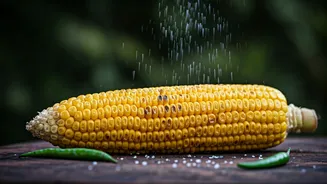
The snack taking over social media feeds and winning nutritionist approvals is none other than the humble bhutta, or roasted corn on the cob. For generations, the sight of a street vendor fanning charcoal embers, expertly charring corn, and rubbing it with
a zesty mix of lemon juice, salt, and spices has been a core memory of the Indian monsoon. It’s more than just food; it’s an experience. The smoky aroma mingling with the smell of rain is pure nostalgia. Now, this simple pleasure is being rediscovered not just for its taste, but for its impressive health credentials, positioning it as a smarter choice over fried alternatives like samosas or pakoras that often dominate our rainy-day cravings.
A Nutritional Powerhouse
So, what makes bhutta a strong contender for the title of 'healthiest monsoon snack'? It's packed with nutrients that are especially beneficial during a season known for low immunity and digestive issues. First, it’s an excellent source of dietary fibre. A single cob of corn can provide a significant portion of your daily fibre needs, which aids digestion, prevents constipation, and promotes a healthy gut microbiome—a cornerstone of overall immunity. Unlike processed snacks that offer empty calories, corn is a complex carbohydrate that provides sustained energy, keeping you full and satisfied for longer. This helps curb cravings for unhealthy, sugary, or fried foods. It’s also naturally gluten-free, making it a great option for those with sensitivities.
Packed with Vitamins and Antioxidants
Beyond fibre, bhutta is rich in essential vitamins and antioxidants. It contains B vitamins, which are crucial for energy metabolism, and minerals like magnesium and potassium. But its real power lies in its antioxidants, particularly lutein and zeaxanthin, which are known to be beneficial for eye health. The charring process itself might even enhance some of these properties. Most importantly during monsoon, corn is a good source of antioxidants that help fight off free radicals and reduce oxidative stress in the body. This provides a gentle boost to your immune system, helping you stay resilient against seasonal coughs and colds. When you choose bhutta, you're not just indulging a craving; you're nourishing your body.
Why Is It Trending Now?
The resurgence of bhutta is part of a larger wellness movement that champions a return to traditional, whole foods. As people become more conscious of what they eat, there’s a growing appreciation for unprocessed, locally sourced, and seasonal ingredients. Bhutta perfectly fits this narrative. Nutritionists and health influencers are increasingly highlighting it as a prime example of a 'smart snack.' It’s low in fat, high in nutrients, and provides a satisfying sensory experience. Social media platforms are flooded with images of people enjoying their rain-soaked bhutta, celebrating it as a guilt-free indulgence. This trend is a welcome shift away from packaged junk food and towards embracing the simple, wholesome foods that have always been part of our culture.
The Best Way to Enjoy It
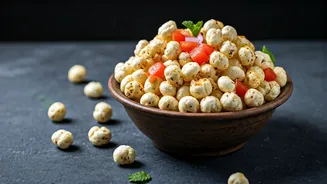
While the classic street-style roasted bhutta—charred over coals and slathered with nimbu-masala—is hard to beat, there are other healthy ways to enjoy it. You can steam or boil the corn cobs at home and apply your own seasoning. A simple mix of black salt (kala namak), chaat masala, and a pinch of red chilli powder with a squeeze of lime is all you need. Avoid drenching it in butter or mayonnaise if you want to keep it healthy. For a modern twist, you can even slice the kernels off the cob after steaming and make a quick corn chaat with chopped onions, tomatoes, and coriander. The key is to keep it simple and let the natural sweetness and texture of the corn shine through.